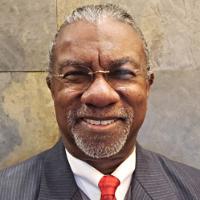
Dr. Denauvo Robinson
I have counseling work experience in residential, community agency, university counseling centers and private practice settings. I have experience with...
48 years experience North Carolina

LGBT-focused therapy supports people exploring gender and sexual identity, relationships, coming out, and coping with minority stress. An affirming therapist offers a safe space to process experiences and build resilience.
Online therapy can make accessing LGBT-affirming care easier – offering convenience, privacy, flexible scheduling, and access to culturally competent clinicians across distances. If you’re seeking support, consider reaching out; therapy can help you explore identity, improve relationships, and find coping strategies in a supportive, nonjudgmental environment.
I have counseling work experience in residential, community agency, university counseling centers and private practice settings. I have experience with...
48 years experience North Carolina

I absolutely love what I do and I view each day as an opportunity to increase in love, peace, and...
17 years experience Texas

Dr. Lobo is an educated, experienced, and licensed mental health professional. He has extensive experience working with children, teenagers, and...
30 years experience Florida
As a licensed therapist in Tennessee, I bring over 30 years of dedicated experience supporting individuals through complex life challenges....
30 years experience Tennessee

Great to Meet You, I am licensed in Michigan and the U.S. Virgin Islands with over 25 years of professional...
25 years experience Michigan

My name is Dr. Emmanuel Bioh. I am a licensed clinical social worker in the state of New York. I...
24 years experience New York
I am a licensed Marriage and Family Therapist (CA #12959) with over 15 years of experience counseling/ accompanying persons through...
5 years experience California

Hello, I’m Dr. Gaye Cameron, a Professional Accredited Social Worker and Psychotherapist with over 11 years of dedicated experience in...
11 years experience Australia

Welcome Hello, I’m Gergana. I have extensive experience supporting clients through existential and relationship challenges, spirituality, and personal growth. My...
14 years experience United Kingdom
As a Licensed Therapist, I offer services to children, youth, families, and senior populations. A primary area of focus has...
32 years experience Louisiana

I am licensed in South Carolina with 13 years of professional work experience. I have experience in helping clients with...
17 years experience South Carolina

I have worked as a Psychotherapist/Counsellor and Life Coach successfully with many clients and have over 25 years experience helping...
25 years experience United Kingdom

I am a psychologist licensed in Texas with experience providing therapy and assessment services to various populations. I have experience...
9 years experience Texas

I am licensed in North Carolina with 12 years of professional work experience. I have experience in helping clients with...
12 years experience North Carolina
As a licensed therapist in Georgia & DC, I specialize in supporting individuals navigating complex life transitions, personal growth, and...
7 years experience Georgia

Hello There! I am so glad you are considering choosing BetterHelp to address your concerns. If you choose me as...
20 years experience Arizona
Welcome! I am a Doctor of Social Work and a Licensed Clinical Social Worker in North Carolina. I started my...
15 years experience North Carolina

I am a licensed, certified Complex Trauma Integrative and Somatic psychotherapist and psychologist based in the UK with 17 years...
17 years experience United Kingdom

Welcome! My name is Dr. Luis D. Ramirez, Ph.D., DSW, MS-BHA, LCSW, and I am honored to serve as the...
9 years experience New York

I am a Licensed Clinical Social Worker(LCSW) in Utah and my practice is grounded in the synthesis of social, biological,...
21 years experience Utah

I am licensed in Texas with 7 years of professional work experience. I have experience in helping clients with stress...
3 years experience Texas

I am licensed psychologist in California with 8 years of professional experience. I have assisted clients with managing or overcoming...
8 years experience California
As a compassionate therapist with extensive experience, I specialize in supporting individuals through complex life challenges. My practice focuses on...
25 years experience Pennsylvania

Hi! My name is Mary Torok. I am an accomplished and Licensed Mental Health Counselor in the state of Florida....
11 years experience Florida

Hi, there! I go by “M.A.,” though I have other nicknames, too. I’m a licensed family therapist and a licensed...
32 years experience Florida

Hello, my name is Michael Cundiff. I am a therapist with BetterHelp, and look forward to getting to know you....
45 years experience Missouri

My name is Dr. Natalia Kuzmina. I hold a Ph.D in Couple and Family Therapy. I’m a Licensed Marriage and...
15 years experience Georgia

Hello, my name is Nicole M. Thweatt, PhD, LMHC. I enjoy providing an array of therapeutic services to those in...
18 years experience Florida
Dr. Cunningham is an integrated clinician, meaning her approach is shaped by what will actually support your progress in therapy....
21 years experience Connecticut

Welcome! Thank you for taking a minute to explore a bit about who I am. My name is Paul Deutsch...
23 years experience Wisconsin

Greetings! I am a licensed clinical social worker (LCSW) in the states of California, Illinois, and Missouri, and I have...
35 years experience Missouri

I am a HCPC-registered Practitioner Psychologist based in the UK, with over 11 years of professional experience in both the...
12 years experience United Kingdom
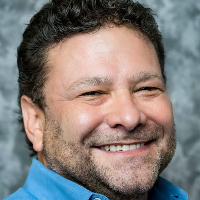
I am a licensed mental health counselor in Florida, with over 30 years of experience working as a counselor, college...
30 years experience Florida

My name is Robin I completed my Doctorate in Clinical Psychology at California Southern University, Master’s degree from Webster University...
7 years experience Florida

My name is Robin I completed my Doctorate in Clinical Psychology at California Southern University, Master’s degree from Webster University...
7 years experience Florida

I am an experienced therapist who has been counselling clients for over 20 years. I initially trained as a social...
40 years experience United Kingdom

Simplicity is one of my core values. I believe healing and growth don’t have to be complicated. Transform Your Life...
5 years experience United Kingdom
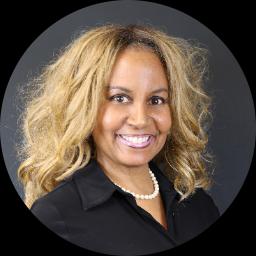
Thank you for taking the time to explore mental health as a means to improve your quality of life. I...
7 years experience Texas

As a licensed therapist in Texas, I specialize in helping adults navigate complex emotional landscapes with a strong commitment to...
9 years experience Texas

I am licensed in South Carolina with 5 years of professional work experience. I have experience in helping clients with...
7 years experience South Carolina
LGBT stands for lesbian, gay, bisexual, and transgender. The term is often used broadly to include people with diverse sexual orientations and gender identities, including queer, questioning, intersex, asexual, nonbinary, and other identities. Each person’s experience is unique – identity, culture, family background, and life stage all shape how someone experiences their sexuality and gender.
Many people seek support to explore identity, cope with stigma or discrimination, navigate relationships, manage family dynamics, or address mental health concerns. Online therapy – sometimes called teletherapy or virtual therapy – offers a flexible way to connect with clinicians who specialize in LGBT-affirming care.
People seeking help around LGBT-related issues often describe a mix of emotional, social, and practical concerns. Some common signs that professional support could be helpful include:
These experiences are common and valid. Therapy can offer a confidential space to process them and learn coping strategies – although outcomes vary by person and are not guaranteed.
Online therapy can be particularly helpful for LGBT individuals for several reasons. It increases access to therapists who explicitly identify as LGBT-affirming or who specialize in queer and trans care. That increased choice matters when finding a clinician who understands your lived experience and respects your pronouns and identity.
Virtual sessions can support a range of goals – exploring identity, processing coming out, coping with minority stress, working on relationship skills, managing anxiety or depression, and planning for transition-related steps. Common therapeutic approaches used in online settings include affirmative therapy, trauma-informed care, cognitive-behavioral strategies, and family systems work.
Because online therapy removes geographic limits, you can search for clinicians with specific expertise – for example, adolescent queer therapy, trans-affirming care, or couples counseling for same-sex partners. This targeted matching often leads to a better therapeutic fit.
Both online and in-person therapy have value. Here are some advantages of online therapy for LGBT clients:
In-person therapy may offer benefits like in-person rapport and nonverbal cues. However, for many LGBT people – especially those in rural areas, those with limited local options, or those prioritizing anonymity – online therapy offers key advantages that make seeking care more feasible and comfortable.
Initial sessions usually begin with intake questions about your background, reasons for seeking help, and goals. Your therapist will discuss confidentiality, session format, scheduling, and fees. Expect conversations about pronouns, identity language, support systems, and immediate concerns.
Formats vary – live video is common because it preserves face-to-face interaction, but some people prefer phone sessions or in-app messaging for parts of therapy. Therapists often assign practice exercises or communication tasks between sessions, and may provide resources for coming out, legal name or gender marker changes, or community support.
Technology checks – like testing your camera and microphone – are a normal part of the first appointment. Therapists should also clarify what to do in emergencies and whether they have local referral options if you need in-person services.
As a directory, we list therapists so you can find a clinician who fits your needs. We do not provide therapy ourselves. When searching, consider these factors:
Helpful questions to ask a prospective therapist include: How do you approach LGBT-affirming care? What experience do you have with gender transition support? How do you handle confidentiality and safety in teletherapy? Avoid therapists who suggest conversion practices or who pathologize identity.
Taking the first step toward therapy can feel intimidating. Here are practical tips to get started:
Reaching out for support is a strong and courageous step. If you need immediate help or are in danger, contact local emergency services or crisis resources. Otherwise, use the directory tools to search for an LGBT-affirming online therapist, schedule a consultation, and take it one step at a time.
If you have questions about using this directory or how to find LGBT-friendly teletherapy options, our resources can guide you to clinicians who prioritize respect, confidentiality, and affirmative care.