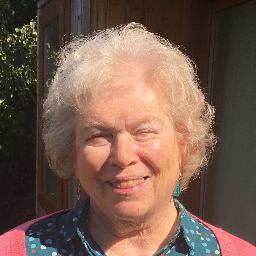
Dr. Ruth Alice Morgan-Jones
Seasoned therapist for families and relationships
Start with Dr. Ruth Alice Morgan-JonesLicensed · Professional · Cancel Anytime

Seasoned therapist for families and relationships
Start with Dr. Ruth Alice Morgan-JonesLicensed · Professional · Cancel Anytime
Dr. Ruth Alice Morgan-Jones is a psychotherapist with forty years of professional experience working with individuals, couples and families. She trained initially as a social worker at the University of Chicago, earning an MA, and later completed a Ph.D. at the London School of Economics where she wrote a book on the impact of hearing loss on family life.
She married her English husband in 1967 and moved to the United Kingdom in 1970, where she raised two children and trained with Relate, the UK relationship charity. As a mature student she returned to academic study to pursue her doctoral research, and she also holds a diploma in Family Therapy.
Dr. Morgan-Jones founded the charity HearSay and served as its principal clinician for twelve years, supporting individuals with special needs and their families. She is an excellent lipreader and has spent the past decade delivering diversity training for a range of charities and agencies.
Initially trained in psychodynamic approaches, she now practises with an eclectic framework that draws on the person-centred work of Carl Rogers, the analytical perspectives of C.G. Jung, cognitive therapy techniques, and systemic ideas. Her private practice focuses on people who have experienced adversity, and she aims to empower clients to move forward to the next stage of their lives.
Dr. Morgan-Jones has a particular interest in cross-cultural couples and is currently researching the influence of culture on their relationships. She is a senior accredited member of the British Association of Counsellors and Psychotherapists and maintains a private practice in the United Kingdom.
Many people wonder whether remote therapy can truly help. For common concerns such as stress, anxiety, depression, relationship difficulties, or coping with life transitions, research and clinical experience indicate that online therapy can be as effective as traditional in-person sessions.
One major benefit is flexibility - you can choose the mode of connection that suits you best, whether that is a video call, a phone session, live chat, or in-app messaging. This makes it easier to fit therapy into a busy life and to keep up with sessions when circumstances change.
Therapists offering online work are licensed professionals, and if the fit is not right you may switch to a different therapist. For many people, remote therapy provides a practical, accessible option to address emotional challenges and to work toward meaningful change.