
Pamela Soward
I am licensed in Wisconsin with 7 years of professional work experience. I have experience in helping clients with stress...
10 years experience Wisconsin

Deciding to seek support takes courage, and you’re in the right place to find a therapist experienced in dependent personality. You deserve respectful guidance and a safe space to explore patterns and build confidence.
Online sessions make it easier to fit support into your life – offering flexibility, privacy, and convenience so you can meet where you feel comfortable. Browse the listings below to start exploring empathetic options and take the next step.
I am licensed in Wisconsin with 7 years of professional work experience. I have experience in helping clients with stress...
10 years experience Wisconsin

I am licensed in Florida with 7 years of professional work experience. I have experience in helping clients with stress...
7 years experience Florida

I am licensed as a Marriage and Family Therapist in California since 2006. I have 23 years of professional work...
21 years experience California
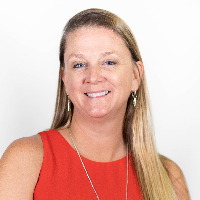
Hello! Thank you for reading my profile. I graduated from USF in 2002 with my masters in counseling and have...
10 years experience Florida

I am licensed mental health therapist that has been working in the mental health field for the last 7 years...
3 years experience Washington

Patricia Brooks is a Licensed Professional Counselor who received her Bachelor of Arts in Psychology from the University of Nebraska...
11 years experience Missouri
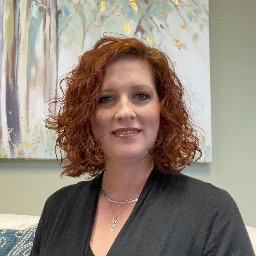
I am a Licensed Clinical Social Worker therapist licensed in Kentucky with over 9 years of experience working as a...
10 years experience Kentucky

Life does not always go according to plan and it sure can be messy sometimes. It is nice when you...
26 years experience Florida

I am a Counselling Practitioner and member of the BACP (UK) with over 17 years of experience. I have trained...
20 years experience United Kingdom
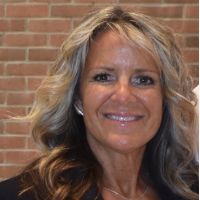
Hello! My name is Trisha and I am a Licensed Clinical Social Worker with over 20 years experience as a...
25 years experience New York

I am a licensed clinical social worker with over 20 years of experience working in clinical practice. I work with...
25 years experience Utah
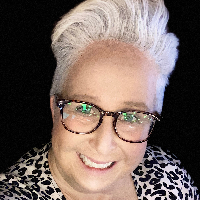
I am a Licensed Professional Counselor, Located in Lynchburg, VA. I have over 20 years of mental health experience. I...
5 years experience Virginia

I have been working in the field of mental health for nearly 25 years, doing Assertive Community Treatment at first,...
25 years experience Michigan

I am licensed in Colorado with 8 years of professional work experience. I have experience in helping clients with stress,...
8 years experience Colorado

Licensed in Oklahoma with over 10 years of professional experience, I specialize in helping clients navigate stress, anxiety, relationship issues,...
10 years experience Oklahoma

I am a Social Worker licensed in California and New York State with over 25 years experience working as a...
25 years experience New York

I am licensed in Missouri with 3 years of professional work experience. I have experience in helping clients with stress...
5 years experience Illinois

STATEMENT OF PROFESSIONAL DISCLOSURE Patricia L. Rembert-Anderson, MHR, LPC, NCC #10207 OK/#93160 TX I am required by law to furnish...
5 years experience Texas

I am licensed in California with 25years and more of professional work experience. I have experience in helping clients with...
40 years experience California

I am a licensed professional counselor in Missouri and I have worked in a variety of settings with individuals who...
4 years experience Missouri

I am licensed in Georgia with 20 years of professional work experience as a Licensed Professional Counselor. Most of my...
20 years experience Georgia

I help adults who feel overwhelmed, stuck, or emotionally worn down by anxiety, trauma, anger, or life stress. Many people...
6 years experience Idaho

I am licensed in Ohio with 9 years of professional work experience. I have experience in helping clients with stress,...
9 years experience Ohio

I am licensed in Maryland with 47 years of professional clinical social work experience. I have had success in helping...
50 years experience Maryland

Welcome to my page at BetterHelp. It’s Ok to talk. I am a fully qualified counsellor registered with the BACP...
4 years experience United Kingdom

As a licensed therapist in Kentucky, I specialize in supporting individuals navigating complex life transitions, mental health challenges, and personal...
4 years experience Kentucky

As a licensed therapist with extensive experience in Texas, Michigan and other countries especially Canada, I specialize in supporting individuals...
35 years experience Michigan

I am licensed in Florida with 24 years of professional work experience. I have experience in helping clients with stress...
24 years experience Florida

I’m a Licensed Professional Counselor working in the field with adults and couples for the last 6 years. I have...
8 years experience Michigan

Hello! My name is Paul Andrew Germany. I am a Licensed Professional Counselor in the state of Texas. I have...
20 years experience Texas

I am friendly, down to Earth and direct. I am friendly and use common sense. I am not judgemental and...
6 years experience United Kingdom

I am a credentialed Integrative Counsellor based in the United Kingdom, with three years of professional experience supporting individuals through...
3 years experience United Kingdom

I am a licensed therapist in the UK associated with the BACP 00930305 with four years of professional work experience....
4 years experience United Kingdom

I am licensed in the UK with 7 years of professional work experience. I have experience in helping clients with...
7 years experience United Kingdom

However you are feeling right now, I’ve found lasting change does come through using professional therapy. In time this will...
3 years experience United Kingdom

Whatever is going on for you, by talking things through we can find a way for you to move to...
15 years experience United Kingdom

Hi and thanks for taking the time to look at my profile. I am a qualified Counsellor with experience working...
14 years experience United Kingdom

I am credentialed in the UK with 3 years of professional work experience. I have experience in helping clients with...
3 years experience United Kingdom

I am so glad that you are here and ready to improve your life. I am a licensed clinical social...
5 years experience Tennessee

I am a BACP registered therapist in the UK with 3 years of professional work experience. I have experience in...
4 years experience United Kingdom
If you find yourself relying heavily on others for emotional support, decision-making, or daily responsibilities, you might identify with dependent personality traits. Many people seek therapy to build confidence, develop independence, and form more balanced relationships. This page is a guide to understanding dependent personality concerns, how online therapy can help, and practical steps for finding a therapist who fits your needs.
Dependent personality traits describe a pattern of behavior in which a person feels a strong need to be cared for, often fearing separation, rejection, or making choices alone. This can show up as difficulty taking initiative, an excessive need for reassurance, avoidance of being alone, or staying in relationships that feel unhealthy because of a fear of losing support.
Some people meet clinical criteria for dependent personality disorder, while others experience milder but still distressing dependency patterns. Either way, therapy is focused on helping you identify the underlying beliefs and attachment experiences that contribute to dependency, and on building skills to manage anxiety, make decisions, and strengthen autonomy.
People look for therapy for dependency-related issues for many reasons. They may struggle to leave relationships that feel controlling or unsatisfying because they worry about being alone. They might find day-to-day decision-making overwhelming without approval from others. They may experience chronic anxiety about abandonment or feel unable to express needs and set boundaries.
Dependency traits can affect work, friendships, and romantic relationships. You might notice patterns such as choosing partners who need caretaking, deferring to colleagues even when you have expertise, or feeling paralyzed when forced to make independent choices. Therapy often addresses both the immediate symptoms and the deeper attachment wounds or family dynamics that shaped these patterns.
Online therapy offers a flexible, accessible way to work on dependency patterns. It makes it possible to connect with a therapist who specializes in personality issues, attachment trauma, or skills-based approaches, even if there are no suitable providers locally. For someone who feels anxious about new relationships, starting therapy from home can reduce initial stress while still allowing meaningful connection and growth.
Through online sessions, therapists can guide you in practicing decision-making, assertiveness, and boundary-setting in real time. Homework and in-between session tasks can be discussed and adapted to your daily life. Many therapists use video, secure messaging, and worksheets to support gradual changes and help you track progress.
Online therapy is often more convenient because it eliminates commute time and makes scheduling easier around work or caregiving responsibilities. This convenience helps maintain consistency, which is important for working through longstanding dependency patterns.
Online care also broadens the pool of therapists you can choose from, increasing the odds of finding someone with specific expertise in dependent personality issues or certain therapeutic approaches. Many people who worry about judgment or relational stress find it easier to open up from a familiar environment like their own home.
That said, in-person therapy can offer benefits like in-person rapport cues and a dedicated therapeutic space. Online therapy aims to preserve those core elements of connection while adding flexibility and access. If nonverbal cues are important to you, mention that preference when searching so you can find a therapist who prioritizes detailed observation and reflective practices during sessions.
Your first sessions will usually include an assessment of your patterns, history, current relationships, and goals. Expect the therapist to ask about your decision-making, fears about abandonment, relationship history, and any prior therapy experiences. Together you will set measurable goals—such as reducing reassurance-seeking, practicing assertive communication, or making independent decisions on specific topics.
Therapy approaches commonly used include cognitive-behavioral techniques to challenge unhelpful beliefs, schema therapy to address long-standing patterns, psychodynamic work to explore attachment history, and skills training for assertiveness and emotional regulation. Sessions often include role-plays, behavioral experiments, and homework to practice new skills between appointments.
Progress tends to be gradual and collaborative. Expect setbacks and learning moments. Your therapist will help you create small, achievable steps toward independence and will support you in testing new behaviors in real-life situations.
Look for licensed clinicians who list experience with personality traits, attachment issues, or dependency specifically. Therapists trained in schema therapy, CBT, DBT-informed strategies, or psychodynamic therapy can all be helpful depending on your preferences. If relationship patterns are central, a therapist with couples experience might also be useful.
When reviewing profiles in a directory, pay attention to how therapists describe their approach to building autonomy, boundary-setting, and confidence. Consider whether you prefer a directive, skills-based therapist or one who focuses more on exploring past relationships and attachment styles. Many therapists offer a brief consultation—use that to ask about their experience with dependency, typical treatment plans, and how they handle safety or crisis situations.
Trust and fit matter. If a therapist’s style doesn’t feel right after a few sessions, it is okay to try someone else. Finding the right match can make it easier to confront fears and practice independence.
Deciding to look for therapy can feel daunting, especially if the fear of making the wrong choice is part of what brings you to therapy in the first place. Start small. Use a directory to filter for therapists who list dependency, personality concerns, or attachment work. Book a consultation to get a sense of their style and ask about treatment goals and methods.
Remember that taking one appointment is not a lifetime commitment. Therapy is a space to experiment with new ways of being and to build confidence at a pace that feels manageable. With the right support, many people who struggle with dependency learn to make decisions with greater ease, set healthy boundaries, and create more balanced, fulfilling relationships.
If you’re ready to explore therapy, begin by searching for a clinician experienced with dependency-related issues and schedule a short consultation. Small steps lead to meaningful change—and seeking help is a strong first step toward greater autonomy and well-being.