
Sarah Roe
I am a licensed clinical social worker with over 30 years of experience in the Behavioral Health field. Over the...
34 years experience North Carolina

You’ve taken an important step by seeking support, and our directory includes clinicians offering dialectical behavior therapy (DBT). You’re in the right place to find a therapist and to begin receiving thoughtful, compassionate support.
Online therapy can make connecting easier – offering flexibility, privacy and convenience so you can meet from wherever you feel most comfortable. Browse the listings below to explore available clinicians and choose someone who feels like a good fit.
I am a licensed clinical social worker with over 30 years of experience in the Behavioral Health field. Over the...
34 years experience North Carolina

I am licensed clinical counselor in Illinois with 13 years of professional work experience. I have experience in helping clients...
13 years experience Illinois

I am a Licensed Clinical Social Worker (LCSW) working with adult women and men, experiencing difficulty with depression, anxiety, relationship...
3 years experience Georgia

As a licensed therapist in Oklahoma and Colorado, I bring over 15 years of experience supporting individuals through life's complex...
14 years experience Oklahoma

You might be feeling overwhelmed, exhausted, or emotionally stuck — like everything takes more effort than it should. Maybe your...
3 years experience Illinois

Welcome! My name is Sarah Thomasson and I am a Licensed Clinical Social Worker (LCSW) and Licensed Clinical Addiction’s Specialist...
8 years experience North Carolina

I am a licensed counsellor in the UK who has worked extensively with all age groups. I have had my...
10 years experience United Kingdom

Welcome to BetterHelp! I’m so glad you’ve taken the first step to wellness. My name is Sarah Wall and I...
20 years experience New York

Hello, and welcome to the new wave of support in the digital age. Great work in taking the first step...
15 years experience Florida

I am a master social worker licensed in Michigan with over 3 years of experience working as a case manager...
3 years experience Michigan
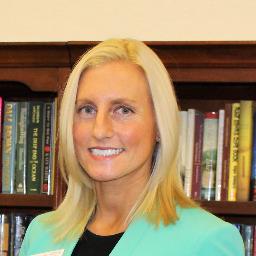
My name is Sarah Wright and I am a clinical social worker licensed in the state of Florida with over...
3 years experience Florida
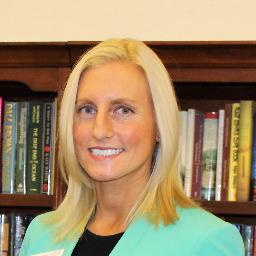
My name is Sarah Wright and I am a clinical social worker licensed in the state of Florida with over...
3 years experience Florida

I am a Licensed Marriage and Family Therapist, Master Addiction Counselor, Mental health and integrative medical nutritionist, personal trainer and...
30 years experience Alabama

Thank you for taking the time to review my profile. I operate in the business of restoring hope and believe...
15 years experience Florida

I am licensed in Oregon with 10 years of professional work experience. I have experience in helping clients with stress...
12 years experience Oregon
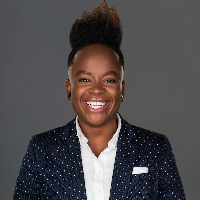
Welcome! My name is Saskia, and I am a Licensed Mental Health Counselor, and Master's Level Certified Addiction Professional in...
17 years experience Florida
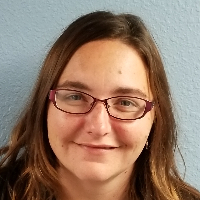
Hello- I have been a licensed LPC counselor in Missouri for the past five years and was recently licensed in...
7 years experience Missouri

I am licensed in California with 12 years of professional work experience. I have experience in helping clients with stress...
12 years experience California

I identify as a Christian faith-based counselor, licensed in Pennsylvania with 9 years of professional work experience. I practice from...
9 years experience Ohio
Hello, My name is Scott Heise and I am a Licensed mental Health Therapist located in Freeport, Illinois. I have...
14 years experience Illinois

I am licensed in Georgia with 5 years of professional work experience. I have experience in helping clients with stress,...
5 years experience Georgia

ABOUT ME Hello, Thank you for checking out my profile. My name is Scott Shepherd, MS, LPC. I am a...
30 years experience South Carolina

I am a therapist trained in cognitive behavioral therapy and am currently fully licensed in the state of Michigan with...
8 years experience Michigan

I am licensed in California with 15 years of professional work experience. I have experience in helping clients with stress,...
15 years experience California

I am a Licensed Independent Clinical Social Worker in the State of Washington. I have been working in the field...
5 years experience Washington

I am licensed in Utah with 4 years of professional work experience. I have experience in helping clients with stress...
5 years experience Utah

Sean DiMaria is a licensed clinical social worker based in South Carolina, bringing over 8 years of clinical mental health...
8 years experience South Carolina
Are you looking to make meaningful change in your life? Are you wanting to feel more present, authentic and connected...
10 years experience Arizona

I have been a social worker for over 25 years. I have worked with individuals, couples and families, to help...
23 years experience Utah

As a licensed therapist in California, Texas and Maryland, I specialize in supporting individuals navigating complex emotional landscapes. My approach...
10 years experience Maryland
As a licensed therapist in Texas, I specialize in supporting individuals navigating complex life transitions, emotional challenges, and personal growth....
3 years experience Texas

I am licensed in California with 7 years of professional work experience. I speak English and Spanish. I have experience...
7 years experience California

I am a credentialed mental health professional in Australia with over 32 years of clinical experience. Throughout my career, I...
28 years experience Australia

I am thrilled to extend a warm and heartfelt greeting to you as a Licensed Independent Clinical Social Worker (LICSW)...
14 years experience Washington

Hello! I am licensed in Wisconsin with 3 years of experience as a therapist at a nonprofit mental health clinic....
3 years experience Wisconsin

I am a mental health counselor licensed in New York with over 3 years of experience working as a clinician....
3 years experience New York

Hello! I’m MBACP (Accred) qualified therapist in the UK with 4 years of professional experience. My areas of specialisation include...
5 years experience United Kingdom

I am licensed in Texas with several years of professional work experience. I have experience in helping clients with stress...
5 years experience Texas
Hi, I’m Shakea “Kea” Roper, a Licensed Clinical Social Worker (LCSW) with more than 15 years of experience walking alongside...
14 years experience Missouri

Do you want to be well? Want to reclaim your life and live it like you’ve always dreamed? Perhaps you...
10 years experience Oklahoma
Dialectical Behavior Therapy, usually called DBT, is a structured, skills-based approach designed to help people manage intense emotions, reduce self-destructive behaviors, and improve relationships. It blends acceptance-based strategies with practical tools for change, teaching skills in areas like emotion regulation, distress tolerance, interpersonal effectiveness, and mindfulness. Many people turn to DBT when they need clear, actionable strategies to cope with overwhelming feelings and to build a more stable life.
DBT began as a treatment for people with chronic emotional dysregulation and self-harming behaviors, but it has since been adapted for a range of concerns including mood disorders, trauma-related symptoms, substance use, and relationship difficulties.
Core components of DBT include weekly individual therapy, skills training (often in a group format), phone or between-session coaching, and participation in a therapist consultation team. Skills training focuses on four main modules: mindfulness, distress tolerance, emotion regulation, and interpersonal effectiveness. Therapists help clients apply these skills to real-life situations through targeted coaching, homework assignments, and careful monitoring of progress.
People often look for DBT when they are struggling with recurring crises, intense mood swings, impulsive behaviors, self-harm, or patterns of unstable relationships. DBT is especially helpful for those who feel emotionally overwhelmed and need reliable tools to reduce reactive behavior and build lasting change.
Some common situations where DBT can be a strong fit include difficulty controlling anger, repeated or recent self-injury, suicidal thoughts, problems with substance use tied to emotion dysregulation, and trouble maintaining healthy relationships. DBT also supports people who want a structured approach that balances acceptance of current experience with skills for making meaningful changes.
Online DBT adapts the core elements of in-person DBT to a virtual format so you can access training, individual sessions, and coaching from home. This format makes it easier to find clinicians who have specific DBT training, especially if you live in an area with limited local resources.
Through secure video sessions, therapists can teach DBT skills, model coaching in the moment, and review diary cards or homework. Online group skills training can replicate the interactive learning environment of an in-person class while offering added convenience. Many therapists also use secure messaging or scheduled brief calls for between-session coaching, which can be especially useful when you need help applying a skill in a real-world moment.
Online DBT offers several practical advantages that make consistent treatment more achievable for many people. You can attend therapy from home, avoiding travel time and making it easier to fit sessions into a busy schedule. This convenience often leads to better attendance and continuity, which are important for the skill-building focus of DBT.
Online formats also broaden access to clinicians who specialize in DBT. If your area has few DBT-trained therapists, telehealth can connect you with specialists who have specific experience with the issues you’re facing. For people who feel more comfortable working from their own space, online therapy can reduce anxiety about attending a clinic and promote openness in sessions.
That said, in-person therapy can offer benefits like more direct observation of nonverbal cues and an established clinic setting. For many clients, online DBT strikes a strong balance: it preserves core therapeutic elements while adding flexibility and access. Choosing online or in-person often comes down to your personal needs, schedule, and comfort with technology.
An online DBT program typically begins with an initial assessment to determine whether DBT is the right approach and to discuss structure. If DBT is recommended, expect a combination of weekly individual sessions focused on your specific goals and participation in a skills training group where you learn and practice DBT modules.
You may be asked to track emotions and behaviors with diary cards or digital worksheets between sessions. Therapists often assign practical homework to help you practice skills in real situations. Many DBT clinicians offer brief between-session coaching via secure messaging or phone to support you when you need to use a skill during a crisis.
Therapists trained in DBT emphasize a balance of validation and change. You will likely experience a supportive, nonjudgmental stance while also being encouraged to try new coping strategies and to set goals for behavioral change. Progress typically comes from repeated practice and reflection rather than quick fixes.
When looking for a DBT therapist, start by searching for clinicians who list DBT training or certification. Ask whether they offer comprehensive DBT (individual therapy, skills group, and between-session coaching) or skills-only formats, and choose the model that fits your needs.
During an initial consultation, inquire about the therapist’s experience with the specific issues you’re facing, such as self-harm, borderline personality features, trauma, or substance use. Ask how they structure online sessions, how they handle crisis support, and whether they provide phone coaching or secure messaging for between-session needs.
Consider practical details like scheduling, fees, and whether they accept your insurance or offer sliding-scale rates. Also look for a therapist who demonstrates cultural sensitivity and an ability to understand your background and life context. Finding a good fit often takes speaking with more than one provider, so give yourself permission to compare and choose the clinician who feels most supportive and skilled.
Reaching out for help is a meaningful step, and you don’t have to do it perfectly. Start by searching for DBT-trained therapists who offer online sessions and schedule an initial consultation to ask questions and get a sense of their approach.
Before your first session, think about what you hope to change and what you already do to cope. Have a quiet, private space ready for video sessions and make sure your internet connection and device are reliable. It’s okay to share any worries about starting therapy with your clinician—DBT therapists are trained to work with uncertainty and to support you through the early stages of treatment.
If you’re ready to begin, use the directory to find DBT providers who offer online options. Small steps—making a call, sending an inquiry, scheduling that first appointment—can lead to steady progress through learning and practicing skills that help you live more comfortably with intense emotions.