
Robin Glaser
Hello! I am Robin Glaser and I am an Licensed Professional Counselor (LPC) in South Carolina. I have been working...
8 years experience South Carolina

Deciding to seek support is a strong step, and you’re in the right place to connect with clinicians experienced in traumatic brain injury who can walk alongside you as you work toward your goals.
Online sessions offer flexibility, privacy, and convenience – letting you access care from home or on the go. Browse the listings below to find professionals ready to support you and make reaching out easier.
Hello! I am Robin Glaser and I am an Licensed Professional Counselor (LPC) in South Carolina. I have been working...
8 years experience South Carolina

I always feel honored when a client is willing to share their story. The impact of emotional distress, relationship strain,...
35 years experience Texas

I am licensed in South Carolina with 12 years of professional work experience. I have experience in helping clients with...
12 years experience South Carolina

Hello! I am a Licensed Professional Counselor in Texas with experience in providing therapy and coaching to clients. I have...
5 years experience Texas

I am a Director/Clinical Director, of a wellness center focused on Child, Adolescent, Family counseling and case management. I have...
13 years experience Wyoming

I am licensed in Oregon with 5 years of professional work experience. I am a former first responder and have...
5 years experience Oregon

I'm a Licensed Mental Health Counselor (LMHC) with over 15 years of clinical experience. I am a grounded and compassionate...
13 years experience Florida

I am licensed in Nevada with 25 years of professional work experience. I have experience in helping clients with stress...
26 years experience Nevada

I am a qualified counsellor based in the United Kingdom, offering compassionate support to individuals navigating life’s challenges. I specialise...
9 years experience United Kingdom

A warm hello and welcome to my profile. People seek counselling for all kinds of reasons. Some may want help...
4 years experience United Kingdom

I am a psychotherapist for thirty plus years of experience. I have worked in many different areas and a variety...
40 years experience Maryland

I am licensed in California with 30 years of professional work experience. I have experience in helping clients with stress...
30 years experience California

I am licensed in California with 8 years of professional work experience. I have experience in helping clients with stress,...
8 years experience California

Hello, my name is Ryan Lisman and I am licensed in California with 5 years of professional work experience. I...
5 years experience California

I am licensed in Illinois and Virginia with 6 years of professional work experience. I have experience in helping clients...
6 years experience Illinois

Good day to you, my name is Ryan (Shelby) Butler, and I am a Licensed Professional Counselor (LPC) in Arizona...
7 years experience Arizona

I have a decade of training and work experience in a broad range of psychological settings in both London and...
13 years experience United Kingdom

I am an integrative psychotherapist and counsellor licensed in United Kingdom. I started my journey in 2013 and have huge...
4 years experience United Kingdom
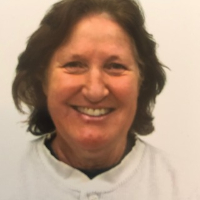
Hi, My name is Sally. I have been a social worker for over 30 years. I attended Graceland College and...
30 years experience California

I am a qualified Counsellor and Psychotherapist and have been working in this field for seventeen years. I work with...
3 years experience United Kingdom

I am credentialed in Australia with more than 20 years of professional work experience. I have experience in helping clients...
20 years experience Australia

I am licensed in London, England with 7 years of professional work experience. I have experience in helping clients with...
9 years experience United Kingdom

I live in the UK and am trained and accredited here. I have over 3 years of experience of counselling...
3 years experience United Kingdom

As a licensed therapist in Ohio , Arizona, Oregon, Virginia and Nevada with two decades of experience, I specialize in...
20 years experience Ohio

I am licensed in Illinois with 8 years of professional work experience. I have experience in helping clients with relationship...
8 years experience Illinois

My name is Sandra McKnight, I am Licensed Clinical Social Worker in Texas. I have experience in helping clients with...
4 years experience Texas

Welcome to Better Help! My name is Sandra Miramontes; I am a Licensed Marriage and Family Therapist in the State...
10 years experience Florida
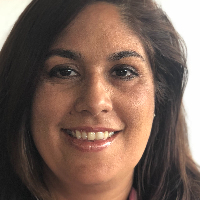
I am a Licensed Mental Health Counselor and Certified Sex Therapist. I have 16 years of experience treating people suffering...
16 years experience Florida

I am a licensed Professional Counselor (LPC), Licensed Chemical Dependency Counselor (LCDC), as well as a Certified Health and Wellness...
8 years experience Texas

I am licensed in Texas with 15 years of professional work experience. I have experience in helping clients with stress,...
15 years experience Texas

I am licensed in North Carolina with 14 years of professional work experience. I have experience in helping clients with...
6 years experience North Carolina

I am licensed in New York with 13 years of professional work experience. I have experience in helping clients with...
16 years experience New York

As a licensed therapist in Massachusetts, I bring 17 years of dedicated experience supporting individuals through complex life challenges. My...
17 years experience Massachusetts

I am licensed in Texas with 10 years of professional work experience. I have experience in helping clients with stress...
10 years experience Texas

I am licensed in Wyoming with 6 years of professional work experience. I have experience in helping clients with trauma...
6 years experience Wyoming

I am qualified and experienced to support clients in a range of issues such as: Depression Bereavement Relationships Loss Divorce...
11 years experience United Kingdom

I am a Licensed Independent Social Worker (LISW-S) based in Cleveland, Ohio with over 20 years’ experience working with and...
20 years experience Ohio

I am licensed in Florida with 9 years of professional work experience. I specialize in providing comprehensive support to individuals,...
9 years experience Florida

As a licensed therapist in Kentucky, I bring nearly two decades of dedicated experience supporting individuals through complex life challenges....
19 years experience Kentucky

I can offer you a safe, confidential space to explore the areas that you are having difficulties with in life....
17 years experience United Kingdom
Recovering from a traumatic brain injury (TBI) often involves more than medical care. Emotional adjustment, cognitive changes, and shifts in daily functioning can all create challenges for the person who had the injury and for family members and caregivers. Online therapy can be a practical way to connect with therapists who understand TBI-related needs, provide coping strategies, and coordinate with your broader care team while offering flexibility that fits a changing recovery schedule.
Traumatic brain injury refers to an injury to the brain caused by an external force, such as a fall, car accident, sports injury, or blow to the head. Severity ranges from mild concussions to more severe injuries that require hospitalization. After a TBI, people can experience a mix of cognitive, emotional, behavioral, and physical changes that affect everyday life.
Cognitive changes may include difficulties with attention, memory, planning, problem solving, and processing speed. Emotional and mood changes can include anxiety, depression, irritability, emotional lability, and reduced frustration tolerance. Behavioral changes might involve impulsivity, apathy, or changes in motivation. Social and vocational challenges are also frequent, including relationship strain, trouble returning to work, and navigating new limitations.
Because TBI affects each person differently, therapy is often tailored to the specific pattern of challenges and strengths a person has. Many people benefit from a team approach that may include physicians, neuropsychologists, occupational therapists, speech-language pathologists, and mental health therapists.
People seek therapy after TBI for a range of reasons. Coping with grief for lost abilities and managing changing roles within the family are common needs. Adjusting to cognitive limitations and learning strategies to compensate for memory or attention issues is a frequent focus.
Caregivers and family members often need support too. Caregiver stress, burnout, and difficulties communicating with a loved one who has changed after injury are important topics in therapy. Vocational concerns, such as returning to work or finding meaningful activity, and social reintegration—rebuilding friendships and community life—are also common areas of focus.
Another frequent concern is managing secondary symptoms like sleep disruption, fatigue, and increased sensitivity to noise or light. Therapists experienced with TBI can help clients develop pacing strategies, sleep hygiene practices, and gradual activity plans that respect cognitive and sensory limits.
Online therapy offers ways to address the emotional and cognitive consequences of TBI while accommodating the practical realities of recovery. Therapists can provide targeted psychoeducation about common post-injury responses and help you develop compensatory strategies for everyday tasks, such as using external memory aids, structuring routines, and breaking down complex tasks into simpler steps.
Therapists can also teach emotion regulation and stress-management techniques tailored to someone who may process information more slowly or who tires easily. Cognitive-behavioral therapy (CBT) and acceptance-based approaches can be adapted to prioritize shorter, focused sessions and simplified materials when needed.
Family therapy and caregiver coaching are easy to arrange online, allowing loved ones to participate from home. This can improve communication, set realistic expectations, and build a shared plan for support. Online sessions also make it easier to coordinate with other providers by sharing information, treatment goals, and progress updates when appropriate.
Online therapy provides several advantages that can be particularly helpful after a TBI. One major benefit is accessibility: you can meet from home without the stress and fatigue of travel or navigating unfamiliar environments. This reduces sensory overload and conserves energy, which can be critical for people managing post-injury fatigue.
Online sessions can be scheduled more flexibly, including shorter or more frequent meetings that accommodate fluctuating attention and stamina. Remote formats also make it easier to include family members or caregivers who live elsewhere, enabling consistent support and shared learning.
Additionally, therapists who specialize in TBI are not always available locally. Online therapy lets you connect with clinicians who have the right experience, even if they are in a different city or state. While in-person care remains important for hands-on rehabilitation therapies, online mental health therapy complements those services by focusing on coping skills, emotional adjustment, and coordination of care.
Initial sessions typically involve a careful assessment of cognitive, emotional, and functional concerns, as well as your goals for therapy. Expect your therapist to ask about medical history, current symptoms, daily routines, support systems, and any challenges you or your caregivers are noticing.
Therapy may include practical strategies such as structured routines, external aids (calendars, alarms, checklists), pacing techniques, and simplified therapeutic materials. Therapists often adapt language and pace to match cognitive capacity and provide written summaries, visual aids, or recordings of key points when appropriate.
Sessions could also include family coaching, behavior planning, and problem-solving for specific situations like returning to work or school. Progress is usually gradual and measured by small, practical changes in functioning and well-being rather than quick fixes.
When searching for a therapist, look for clinicians with experience or training related to brain injury, neurorehabilitation, or cognitive-behavioral methods adapted for cognitive differences. Licensed psychologists, clinical social workers, licensed professional counselors, and neuropsychologists may all have relevant experience.
Ask potential therapists about their experience working with TBI clients, how they adapt sessions for cognitive or sensory needs, and whether they are comfortable coordinating with medical providers or rehab teams. Inquire about session length and flexibility, the types of supports they provide between sessions, and how they handle cancellations and rescheduling for days when fatigue is a concern.
Consider whether you want a therapist who offers caregiver or family sessions, and check that they can provide materials in formats that work for you—larger print, audio summaries, or step-by-step handouts. It is reasonable to ask about telehealth experience and any accommodations they use for clients with cognitive or sensory sensitivities.
Reaching out for help after a traumatic brain injury is a constructive step, even if progress feels slow. Small adjustments and steady support can make daily life more manageable and improve communication with loved ones. If you are feeling unsure, consider scheduling an initial consultation to ask questions and get a sense of the therapist’s approach and experience.
Remember that therapy is one part of a broader recovery plan and that you can look for a provider who will work alongside your medical and rehabilitation team. Finding the right match may take time, but connecting with a therapist who understands TBI can help you rebuild routines, manage emotions, and find practical coping strategies for life after injury.