
Carol Lynch
I am Licensed Therapist with 38 years of clinical and private practice experience. I have advanced training in helping individuals...
38 years experience Nebraska

Trauma and Abuse can have deep, lasting effects on emotions, relationships, and daily life. Therapy in this specialty offers a safe, compassionate space to explore experiences, build coping skills, and reclaim a sense of agency.
Online therapy makes that support more accessible – offering privacy, flexible scheduling, and continuity of care from wherever you are. Working with a trained clinician, you can move at your own pace to process memories, develop coping strategies, and strengthen resilience. If you’re struggling, reaching out for support is a courageous step.
I am Licensed Therapist with 38 years of clinical and private practice experience. I have advanced training in helping individuals...
38 years experience Nebraska

I am a Licensed Professional Counselor in Texas with 23 years of professional work experience. My experience comes from providing...
24 years experience Texas

I am licensed in the UK with 3 years of professional work experience. I have experience helping clients with neurodiversity,...
3 years experience United Kingdom

I'm a licensed therapist in Texas dedicated to supporting individuals through life's most challenging moments. I work with clients across...
5 years experience Texas

I am licensed in the UK with 3 years of professional work experience. I have experience in helping clients with...
3 years experience United Kingdom

As a licensed therapist with over 15 years of experience, I specialize in supporting individuals navigating complex emotional landscapes. My...
15 years experience California

Are you going through a life changing transition such as bereavement, relationship breakdown, career loss or change? All of these...
5 years experience United Kingdom

I am a National Counselling and Psychotherapy Society accredited and registered psychotherapist with over 16 years professional experience. I offer...
17 years experience United Kingdom

I am licensed in New York with 25 years of professional work experience. I have experience in helping clients with...
25 years experience New York

My name is Carolina Dudley and I am a Licensed Master Social Worker in the State of Michigan and Ohio.I’m...
18 years experience Michigan

I am a Marriage and Family Therapist licensed in California. I have worked with clients with various concerns including depression,...
7 years experience California

I am an Licensed Professional Counselor licensed in Texas with 6 years of professional work experience. I have experience in...
7 years experience Texas

Caroline is a Licensed Clinical Social Worker with over 25 years of experience in the field, including the supervision of...
3 years experience Florida

A very warm welcome to my page and thank you for taking the time to read my profile. I am...
3 years experience United Kingdom

I am credentialed in the United Kingdom with 3 years of professional work experience. I have experience in helping clients...
3 years experience United Kingdom

I am licensed in Florida with 8 years of professional work experience. I have experience in helping clients with coping...
10 years experience Florida

I am licensed in the UK with 7 years of professional work experience. My degree is in Psychology and my...
5 years experience United Kingdom

I am licensed in New Jersey with more than 30 years of professional work experience. I have experience in helping...
38 years experience New Jersey

I am an experienced therapist based in the UK I have experience in helping clients with stress and anxiety, depression...
7 years experience United Kingdom

For over two decades, I have dedicated my life to the art and science of therapy, committed to helping individuals...
20 years experience Utah

Hello, and welcome. I am primarily an emotional release therapist, but have training in CBT / DBT / EFT and...
18 years experience Texas

I am licensed in Missouri with 8 years of professional direct counseling experience & an additional 5 years providing support...
8 years experience Missouri

As a licensed therapist with nearly three decades of experience, I specialize in supporting individuals navigating complex emotional landscapes. My...
29 years experience Louisiana

I am a Licensed Clinical Social Worker in Florida and North Carolina with over 10 years of experience working as...
12 years experience Florida

I have worked with children and families within local authority settings for more than 30 years. I have a passion...
6 years experience United Kingdom

As a licensed therapist in California, I specialize in supporting individuals navigating complex emotional landscapes. My approach centers on compassionate,...
3 years experience California

I'm Carolyn McGee, a dedicated therapist committed to supporting individuals through life's most challenging moments. I work with clients navigating...
6 years experience Nevada
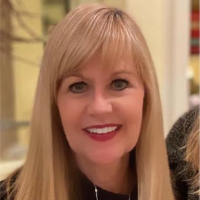
Hi; I have over 40 years of experience and expertise in the field of mental health as a Licensed Clinical...
42 years experience Texas

Our work together starts with the premise that you are enough. My goal is to create genuine, safe, and playful...
12 years experience Michigan

Cee U Again Counseling Carolyn Smith is a retired 20-year Army veteran and Licensed Professional Counselor in the state of...
5 years experience Texas

I am licensed in New York and Connecticut with 30 years of professional work experience. I am a LCSW-R and...
31 years experience New York

I am an accredited counsellor with the Australian Counselling Association and I am passionate about empowering clients with taking care...
8 years experience Australia

I am licensed in California with 20 + years of professional work experience. I have experience in helping clients with...
27 years experience California

As a licensed therapist in Louisiana, I specialize in supporting individuals navigating life’s complex challenges. My approach centers on helping...
10 years experience Louisiana

I am credentialed in the UK with 8 years of professional work experience. I have in-depth experience in helping clients...
8 years experience United Kingdom

I am licensed in Florida with 20 years of professional work experience. I have experience in helping clients with stress,...
20 years experience Florida

Carron Caldwell is currently pursuing certification in Clinical Hypnotherapist (CH.t) at Clinical Hypnosis Institute (Warren, Michigan). Carron holds a Master’s...
10 years experience Michigan

As a licensed therapist in North Carolina, I specialize in supporting individuals navigating complex life challenges. My approach centers on...
13 years experience North Carolina

I’ve spent 20 years in mental and behavioral health because I believe people are capable of more than they realize,...
7 years experience Missouri

As a licensed therapist serving West Virginia, I bring a decade of dedicated experience supporting individuals navigating complex emotional landscapes....
10 years experience Virginia
Trauma refers to the emotional and psychological response to events that are overwhelming or threatening to a person’s safety or well-being. Abuse can take many forms – physical, emotional, sexual, financial, or neglect – and may be a single incident or a pattern that occurs over time. Both trauma and abuse can affect thinking, emotions, relationships, and daily functioning.
Online therapy for trauma and abuse is a way to receive professional mental health support remotely, using video, phone, or in-app messaging. As a directory, we connect people with therapists who specialize in trauma-informed care and who offer virtual options. While we are not a provider, the therapists listed may use approaches tailored to trauma recovery, such as cognitive behavioral therapy, trauma-focused cognitive behavioral therapy, EMDR, somatic therapies, or dialectical behavior therapy.
People who have experienced trauma or abuse may notice a range of emotional, physical, and behavioral signs. No single list covers every experience, but common indicators include:
If you or someone you care about is experiencing thoughts of self-harm or harm to others, seek immediate help from local emergency services or crisis resources. Online therapy can provide ongoing support, but it is not a substitute for emergency intervention.
Online therapy offers a flexible, accessible way to connect with a trauma-informed therapist. It can support recovery by creating a safe, consistent space to process experiences, learn coping strategies, and rebuild a sense of control. Common ways online therapy helps include:
Many people find that virtual sessions allow them to access specialized trauma therapists who may not be available locally. Online care also supports continuity of treatment during moves, travel, or scheduling challenges.
Both online and in-person therapy have strengths, but online therapy offers several advantages that can be especially helpful for people affected by trauma and abuse:
In-person therapy does provide in-person presence and nonverbal cues that some find valuable. However, for many survivors of trauma and abuse, the accessibility, flexibility, and privacy of online therapy make it a preferred option for beginning or continuing treatment.
Starting online therapy typically begins with an intake or initial assessment. This helps the therapist understand your history, current concerns, safety needs, and goals. What you can expect:
Before your first online session, you may be asked to test your camera and microphone, review consent and privacy information, and identify a private, comfortable spot for the session. If privacy is a concern, therapists can discuss options such as using headphones, chat-based sessions, or scheduling at times when privacy is more likely.
Choosing a therapist who is experienced with trauma and abuse is important. As a directory, we list therapists who offer online services and often include details about their specialties and approaches. When evaluating potential therapists, consider asking about:
Trust and rapport are essential. It’s okay to schedule a few consultations to see who feels like the right fit. A good therapist will respect your pace and collaborate with you to build safety and trust.
Reaching out for help takes courage. If you’re considering online therapy for trauma or abuse, start by reviewing therapist profiles in this directory and identifying a few who list trauma-informed care as a specialty. Prepare a brief summary of your concerns and any practical needs – such as times you can meet, language preferences, or accessibility accommodations – and use that to guide initial conversations.
Practical tips for your first online session:
Please remember that therapy is a process and progress can look different for everyone. If you or someone you know is in immediate danger, contact local emergency services right away. For ongoing support and to find a therapist who offers online trauma-informed care, browse our listings and reach out when you feel ready – taking the first step is an important move toward greater safety, understanding, and healing.