
Sarah Maddox
I am licensed in North Carolina with 35 plus years of professional work experience. I have experience in helping clients...
35 years experience North Carolina

You’ve already taken a brave step by looking for support, and you’re in the right place to connect with therapists for codependency, people who can help you set boundaries and rebuild healthier patterns.
Online therapy offers flexibility, privacy, and convenience, so you can meet with a clinician at times that fit your life. Browse the listings below to explore profiles and choose someone who feels right for you.
I am licensed in North Carolina with 35 plus years of professional work experience. I have experience in helping clients...
35 years experience North Carolina

I am licensed in the UK with 10 years of professional work experience. I have experience in helping clients with...
11 years experience United Kingdom

I am a Licensed Mental Health Counselor in the State of Florida and have been providing therapy since 2012. I...
12 years experience Florida

I am licensed in Canada & Australia with 10 years of professional work experience. I have experience in helping clients...
10 years experience Australia

I am a Licensed Clinical Social Worker practicing in the State of New York and hold a Masters Degree in...
6 years experience New York

I began my career as a lived experience worker within Qld Health over 15years ago and so I understand first...
6 years experience Australia

Hello and thank you for reviewing my counselor profile on Betterhelp! As a Licensed Mental Health Counselor, Certified Clinical Trauma...
17 years experience Florida

I am licensed in North Carolina with 17 years of professional work experience. I have experience in helping clients with...
17 years experience North Carolina

I am here for you. I will never judge, condemn, or ridicule you. I am here to provide empathy, support,...
9 years experience Ohio

I have been in the business of the healing arts for over 19 years - providing services from case management...
19 years experience Texas

I am a licensed clinical social worker with over 30 years of experience in the Behavioral Health field. Over the...
34 years experience North Carolina

I am Licensed Independent Clinical Social Worker in Massachusetts with 19 years of professional work experience in mental health and...
9 years experience Massachusetts

I am licensed in Arkansas with 13 years of professional work experience. I have experience in helping clients with stress...
13 years experience Arkansas

I am licensed clinical counselor in Illinois with 13 years of professional work experience. I have experience in helping clients...
13 years experience Illinois

I am licensed in Arizona and Pennsylvania with 4 years of professional work experience. I have experience in helping clients...
4 years experience Pennsylvania

I am a Licensed Clinical Social Worker (LCSW) working with adult women and men, experiencing difficulty with depression, anxiety, relationship...
3 years experience Georgia

I am licensed in Michigan with 4 years of professional work experience. I have worked in a number of different...
5 years experience Michigan

I am credentialed in the UK with 7 years of professional work experience. I have experience in helping clients with...
8 years experience United Kingdom

As a licensed therapist in Oklahoma and Colorado, I bring over 15 years of experience supporting individuals through life's complex...
14 years experience Oklahoma

You might be feeling overwhelmed, exhausted, or emotionally stuck — like everything takes more effort than it should. Maybe your...
3 years experience Illinois

About me Are you looking for a space in which you can feel understood and valued without fear of judgement...
4 years experience United Kingdom

Greetings! My name is Sarah, and I am a North Carolina based Licensed Clinical Social Worker (LCSW). I have a...
7 years experience North Carolina

Hi, My name is Sarah and I am a Licensed Professional Counselor, an Art Therapist, studio artist, public speaker, and...
7 years experience Oregon

As a licensed therapist in Wisconsin, I bring over two decades of compassionate clinical experience supporting individuals through life's complex...
20 years experience Wisconsin

Welcome! My name is Sarah Thomasson and I am a Licensed Clinical Social Worker (LCSW) and Licensed Clinical Addiction’s Specialist...
8 years experience North Carolina

I am a licensed counsellor in the UK who has worked extensively with all age groups. I have had my...
10 years experience United Kingdom

I am licensed in Washington State as a Mental Health Counselor and have 17 years of professional work experience to...
18 years experience Washington

I am licensed in Texas with 10 years of professional work experience. I have experience in helping clients with stress...
10 years experience Texas

Welcome to BetterHelp! I’m so glad you’ve taken the first step to wellness. My name is Sarah Wall and I...
20 years experience New York

Hello, and welcome to the new wave of support in the digital age. Great work in taking the first step...
15 years experience Florida

I am licensed in Missouri with 7 years of professional work experience. I have experience in helping clients with stress...
7 years experience Missouri

I am licensed in Florida with 4 years of professional work experience. I have experience in helping clients with stress...
4 years experience Florida

I am a Licensed Marriage and Family Therapist, Master Addiction Counselor, Mental health and integrative medical nutritionist, personal trainer and...
30 years experience Alabama

I am a licensed therapist in Nebraska, Iowa, and Florida with 8 years of experience. I have worked with clients...
7 years experience Nebraska

As a licensed clinical social worker and addictions specialist, my goal in our therapeutic relationship is to provide a safe...
8 years experience North Carolina

I offer a warm and engaging approach to exploring what’s causing you pain. My focus is on helping you re-connect...
11 years experience United Kingdom

I'm Sasha, a licensed Mental Health therapist from Brooklyn with 9 years of professional work experience with mental health. I...
10 years experience New York
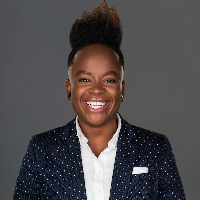
Welcome! My name is Saskia, and I am a Licensed Mental Health Counselor, and Master's Level Certified Addiction Professional in...
17 years experience Florida
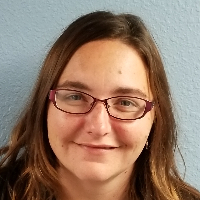
Hello- I have been a licensed LPC counselor in Missouri for the past five years and was recently licensed in...
7 years experience Missouri

Welcome! My name is Savannah Kizzie and I am a licensed professional counselor (LPC) in the state of Texas and...
4 years experience Texas
Codependency often shows up as chronic people-pleasing, difficulty setting and maintaining boundaries, or feeling responsible for other people’s emotions and behaviors. If you find yourself consistently putting others first to the point of losing sight of your own needs, or staying in relationships that drain you because you fear abandonment or conflict, therapy can help you rediscover self-worth and learn practical skills for healthier connections. Online therapy makes it easier to find a therapist who specializes in codependency and related issues, so you can get support that fits your life.
Codependency is not a single diagnosis but a pattern of relating that develops over time. People who struggle with codependent patterns often prioritize others' needs above their own, have trouble saying no, and feel anxious when relationships are uncertain. They may tolerate enabling behavior, feel compelled to fix others, and experience high levels of guilt or shame when they assert themselves.
These patterns frequently grow out of family dynamics, childhood experiences, or trauma. Growing up in households where emotional needs were ignored, where care was conditional, or where there was addiction or chronic illness can leave someone with an overdeveloped caretaking role and an underdeveloped sense of personal boundaries. Attachment styles and family systems play a big role in how codependency takes shape.
People seek help for codependency for many reasons. In romantic relationships, codependency can look like fear of abandonment, staying in unhealthy or abusive relationships, or losing personal identity within the couple. In families, it can appear as enmeshment, chronic rescuing, or chronic anxiety about others' well-being.
At work, codependent tendencies may show up as difficulty delegating, overworking to win approval, or burnout from taking on others' responsibilities. It also often co-occurs with issues such as substance use in family members, trauma responses, anxiety, and depression.
Common needs when addressing codependency include learning how to set and keep boundaries, building self-esteem, developing healthier communication, managing guilt and people-pleasing impulses, and processing past wounds that contribute to present behavior.
Online therapy offers a flexible and accessible way to begin working on codependent patterns. With virtual sessions, you can connect with therapists who specialize in codependency, family systems, trauma, or related modalities no matter where you live. That increases your chances of finding a clinician with the right experience and approach.
Therapists online can guide you through skills-based work like boundary-setting, assertiveness training, and emotion regulation. They can also provide trauma-informed approaches, process early attachment wounds, and help you practice new ways of relating through role-play and real-time coaching during sessions.
For people who feel embarrassed or ashamed about relationship struggles, online therapy offers a level of privacy and comfort that can make it easier to open up. Being in your own space can reduce the barriers to honesty and vulnerability that are essential for working through codependency.
Online therapy has several advantages that are particularly helpful for people dealing with codependency. First, it expands your options for finding a specialist so you can prioritize fit over geography. That can be crucial when you want a therapist who understands family systems, addiction-related codependency, or culturally specific experiences.
Second, virtual sessions save time and reduce logistical stress. Without a commute, it’s easier to keep appointments consistently – and consistency matters when you are unlearning long-standing relational patterns.
Third, online therapy can feel safer for people who fear judgment or exposure. Privacy and the ability to connect from a familiar environment can lower anxiety and support deeper work.
That said, in-person therapy may be preferred by some, especially if there are local support groups, intensive outpatient programs, or a personal preference for face-to-face interaction. Online therapy is not inherently better or worse – it often comes down to what fits your needs, schedule, and comfort.
An initial online session typically includes an intake conversation where the therapist asks about your relationship history, current concerns, goals for therapy, and any related issues such as trauma or substance use in the family. From there, you and the therapist will develop a treatment plan tailored to your priorities.
Therapeutic work often blends education and skills training with deeper emotional processing. Early sessions may focus on identifying patterns of people-pleasing and enmeshment, learning practical boundary techniques, and practicing assertive communication. Later sessions might explore family-of-origin issues, attachment wounds, and ways to build independent self-care and identity.
Therapists may use evidence-informed approaches such as cognitive-behavioral techniques to change unhelpful beliefs, dialectical-behavior therapy skills for emotion regulation, or trauma-informed therapies to process past hurts. Couples or family sessions can be arranged online if relationship dynamics are a focus.
Expect homework between sessions – journaling, small boundary experiments, or communication exercises – and regular check-ins on progress. Confidentiality and secure technology are important topics; a good therapist will explain their telehealth platform, privacy safeguards, and emergency procedures before you begin.
Look for therapists who list experience with codependency, family systems, attachment work, or trauma. Notice whether they describe a collaborative, empowering approach that focuses on building boundaries and self-efficacy rather than rescuing or directing decisions for you.
Check credentials and licensing, and seek clinicians who are trained in modalities that match your goals – for example, CBT for changing thought patterns, DBT for emotional regulation, or EMDR for trauma processing. Consider cultural competence and whether the therapist has experience with your background, identity, or relationship context.
Many therapists offer a brief phone or video consultation. Use that opportunity to ask about their experience with codependency, how they structure online sessions, what a typical weekly plan looks like, and how they handle crises. Trust your instincts about rapport and feeling seen – fit matters more than a perfect label.
Starting therapy for codependency can feel hard, but it is one of the most compassionate investments you can make in your relationships and your sense of self. You do not have to have everything figured out before reaching out. A single consultation can help you clarify whether online therapy is a good fit and what kind of support will help most.
If you’re ready, try searching for therapists who list codependency, family systems, or attachment as specialties. Prepare a few questions about their online experience and approach, and schedule a consult. If you ever feel unsafe or are in immediate danger, contact emergency services or local crisis resources right away.
Recovery from codependent patterns is a step-by-step process. With consistent support and practical skills, many people find greater freedom to care for themselves, create healthier boundaries, and build relationships that are more balanced and fulfilling.