
Jamia Poole
I am a Licensed Clinical Social Worker with over 10 years of experience working in mental health. I have worked...
4 years experience Georgia

You’ve taken an important step toward finding support, and you’re in the right place to connect with professionals experienced in attachment-based therapy who can accompany you as you explore relationship patterns and build greater emotional understanding.
Online sessions offer flexibility, privacy, and convenience, making it easier to fit care into your life – browse the listings below to explore practitioners and choose someone who feels like a good fit for you.
I am a Licensed Clinical Social Worker with over 10 years of experience working in mental health. I have worked...
4 years experience Georgia

I am licensed in Washington with 20 years of professional work experience. I have experience in helping clients with relationship...
19 years experience Washington

I am a Licensed Professional Counselor (LPC) who earned my Master’s Degree in Counseling, with a specialization in Clinical Mental...
7 years experience Louisiana
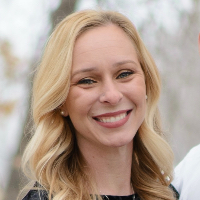
Hello. My name is Jamie Hood, and I am a Licensed Marriage and Family Therapist in the state of California....
9 years experience California

I know how difficult but rewarding the process of self-change can be. I hope to offer empowerment and validation to...
9 years experience Florida

I am a Licensed Professional Counselor. Over the past 10 years, I’ve gained experience working with a wide range of...
11 years experience Colorado

As a licensed therapist in Washington, I bring a decade of experience supporting individuals through complex emotional landscapes. My practice...
10 years experience Washington

I am a Licensed Mental Health Counselor in Indiana. I have been in private practice for 36 years, along with...
36 years experience Indiana

Welcome to my profile. I am glad you are here. First, I want to tell you a little bit about...
12 years experience Tennessee

Hello! Im glad you’re here! As a Certified Trauma Treatment Professional and a licensed therapist in both Florida and Illinois,...
22 years experience Florida

I am a clinical social worker licensed in the state of Alaska. I have experience working with a variety of...
4 years experience Alaska

I am credentialed in the UK with 3 years of professional work experience. I have experience in helping clients with...
3 years experience United Kingdom

I am a Licensed Clinical Social Worker in Wisconsin. I have experience providing therapy in the home, residential treatment, and...
10 years experience Wisconsin

I have been working in Mental Health care as a counsellor since 1995. I have worked as a counsellor in...
28 years experience United Kingdom
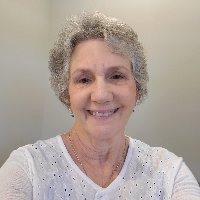
Welcome for the opportunity to get to know you. Reaching out for help is a healthy approach to navigate through...
20 years experience South Carolina

I am qualified in the UK with 3 years of professional work experience. I have experience in helping clients with...
4 years experience United Kingdom

Hello, I’m Jane. I want to acknowledge the immense courage it takes to reach out for help and to find...
3 years experience United Kingdom

I enjoyed a career as a senior manager but decided I wanted to do more then coach and mentor in...
13 years experience United Kingdom

I am a qualified, and accredited therapist based in the UK with over four years of professional experience supporting individuals...
4 years experience United Kingdom

I am am qualified counsellor in the UK. I have experience in helping clients with stress and anxiety, trauma and...
7 years experience United Kingdom

I am licensed in Louisiana with 21 years of professional work experience. I have experience in helping clients with stress...
21 years experience Louisiana

Hello! My name is Janelle and began my career working as a mental health counselor in the greater Seattle area...
9 years experience Washington

Hello my name is Janet Amaya, I am a Licensed Clinical Social Worker in the state of California. I have...
13 years experience California

I am a pluralistic psychotherapist with a First-Class Honours degree in Counselling, accredited by the National Counselling and Psychotherapy Society...
5 years experience United Kingdom

I am licensed in North Carolina with 5 years of professional work experience. I have experience in helping clients with...
6 years experience Florida

I’m Janet Hardy (she/her). I provide telemental health counseling, or “online counseling,” to adults with a broad spectrum of concerns,...
10 years experience Mississippi

I was a nurse first. As I worked in various settings with the goal of helping people recover from illness...
25 years experience California

I am licensed in Maryland with 40 years of professional work experience. I have experience in helping clients with stress...
40 years experience Maryland

I am licensed in Wisconsin with 22 years of professional work experience. I started my career working in a domestic...
24 years experience Wisconsin

My name is Janette, LMFT. Through a person-centered approach, I thrive in assisting people address their areas of concern. You...
8 years experience California

I am a therapist who will listen, be present, and help you to gain better insight into your problems and...
4 years experience United Kingdom

As a licensed therapist in Colorado and Florida, with nearly two decades of experience, I specialize in supporting individuals through...
18 years experience Florida

I am a licensed professional clinical counselor. I began my working with people struggling with addiction issues, working in an...
15 years experience California

I am an integrative counsellor with experience of working with adults and teenagers who have had difficulty coping with bereavement,...
4 years experience United Kingdom

I want to work with you to help you explore trauma, disability and low self esteem and discover ways to...
30 years experience California

I am a accredited therapist in the United Kingdom with over 5 years of professional experience supporting individuals and couples...
5 years experience United Kingdom
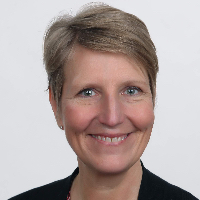
I have over 20 years of experience. My specialities include intensive one on one therapy, trauma and family and marriage...
26 years experience Texas

Hello! My name is Janine. I am a fully qualified psychotherapeutic counsellor. I provide therapy to adults and young people...
3 years experience United Kingdom

Hi, I’m Janine. I’m a qualified and experienced Integrative Psychotherapist (CPCAB Level 5) based in the UK, with over seven...
7 years experience United Kingdom

I am licensed as a Professional Counselor (LPC) in South Carolina. I currently have over 40 years in the field....
40 years experience South Carolina
Attachment-based therapy is a form of psychotherapy rooted in attachment theory, which looks at how early relationships with caregivers shape our expectations, emotions, and behavior in close relationships throughout life. Rather than focusing only on symptoms, attachment-based work explores the relational patterns that underlie anxiety, conflict, avoidance, and difficulty trusting or getting close to others.
Therapists who use attachment-based approaches help clients identify their attachment style, trace where those patterns came from, and practice new ways of relating that feel safer and more satisfying. This work can take many forms: individual therapy, couples therapy, family therapy, or integrated approaches that combine emotion-focused, psychodynamic, and trauma-informed techniques. The goal is to build secure, reliable connections within relationships and within the self.
People pursue attachment-focused therapy for a range of concerns related to how they connect with others. Often the presenting issues are not labeled as “attachment” at first but include relationship conflict, repeated breakup patterns, chronic loneliness, or difficulty trusting partners.
Other common reasons to seek this specialty include feeling emotionally flooded or shutting down in close relationships, being unable to express needs without fear of rejection, repeating caregiving roles, parenting concerns linked to childhood wounds, and struggles with intimacy after trauma. Attachment-based work is also helpful for couples who want to rebuild trust after betrayal or to change entrenched interaction cycles.
Because attachment patterns develop in early life, adults who experienced inconsistent, neglectful, or intrusive caregiving may notice persistent emotional reactivity or dissociation. Attachment-based therapy offers a framework to understand those responses and to develop new, more secure ways of being with others.
Attachment work thrives on the therapeutic relationship itself, and online therapy can create a reliable, accessible space for that connection. Video sessions allow therapists and clients to see facial expressions and tone, which are central to understanding attachment dynamics. For couples and families, online sessions make it easier to include partners who live apart or have conflicting schedules.
Online therapy also supports practical tools that complement attachment interventions. Shared documents, messaging between sessions, and guided exercises done in the client’s natural environment can enhance learning and generalization. Being in a familiar setting, such as home, can help some clients feel safer and more willing to practice vulnerability during sessions.
Finally, online therapy increases access to clinicians who specialize in attachment theory. If you live in a rural area or a place with limited specialists, teletherapy widens the pool of therapists you can choose from, making it more likely you will find someone with the particular training and approach you need.
Online therapy offers several advantages that make attachment-based work more feasible for many people. Convenience and flexibility reduce barriers to consistent attendance, which matters when building a secure therapeutic bond. You can join sessions from home, during a lunch break, or while traveling, which helps maintain momentum in treatment.
Access to a broader range of therapists increases the chances of finding someone who specializes in attachment, uses emotion-focused or trauma-informed techniques, and matches your cultural background or communication style. For couples with differing locations or busy schedules, online sessions can be far easier to coordinate than in-person visits.
Comfort and safety are also important. Some clients find it easier to open up from their own space, while others appreciate that online therapy can feel less intimidating at first. That said, in-person work may feel preferable for people who respond better to in-room presence. Both options can be effective; online therapy simply expands the ways you can get attachment-focused care.
Your first online sessions typically include an assessment of your current relationships, attachment history, and goals for therapy. The therapist will ask about patterns you notice in how you get close to others, how you handle conflict, and any past experiences that shaped your relational expectations.
As therapy progresses, expect a mix of reflective conversation and experiential interventions. A clinician might help you name attachment responses, notice triggers, and experiment with new behaviors in-session, such as expressing needs or tolerating emotional closeness. For couples, therapists often help partners slow down reactive cycles, reflect each other’s experience, and practice new ways of responding that foster safety and connection.
Homework is common. You may be asked to practice specific communication skills, keep a journal of felt responses, or try short corrective interactions with a partner. Therapists may also teach self-soothing and emotion-regulation strategies to help you stay present during difficult moments.
Confidentiality and technology logistics will be discussed. Ask your therapist about the platform they use, privacy safeguards, and what to do if a session is interrupted. Clear agreements about scheduling, fees, and crisis planning are a typical part of the early work.
When searching for an attachment therapist online, look for clinicians who explicitly mention attachment theory, attachment-based therapy, or related modalities like emotion-focused therapy (EFT), attachment-informed psychodynamic therapy, or trauma-informed approaches. Experience working with couples or families might be important depending on your goals.
Consider factors like cultural competence, experience with your specific concerns, and willingness to work online. In an initial consultation, you can ask how they conceptualize attachment, what techniques they use, and how they tailor interventions to online sessions. A good fit often includes feeling heard, understood, and reasonably safe to try new relational behaviors within sessions.
Because attachment work can feel emotionally intense, it’s also reasonable to ask about the therapist’s approach to pacing, crisis management, and coordination with other providers if you have concurrent medical or psychiatric care.
Reaching out for attachment-focused therapy can feel daunting, especially if you worry about repeating old patterns with a therapist. Small steps help: start with a search for clinicians who list attachment specialties, request a brief phone or video consultation, and prepare a few questions about their approach and experience.
Remember that finding the right therapist can take time. It is normal to try a few clinicians before you find someone who feels like a good match. Consistent sessions and a collaborative relationship are what create change over time.
If relationship patterns or past attachment wounds are interfering with your life, online attachment-based therapy can be a practical, effective way to explore those patterns and build more secure, rewarding connections. Taking the first step is an act of care toward your future relationships and your sense of emotional safety.