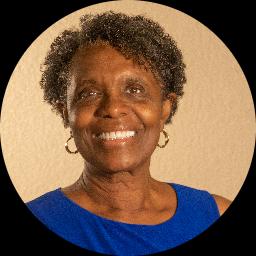
Jeanetta Henderson
Relational counseling for life and relationships
Start with Jeanetta HendersonLicensed · Professional · Cancel Anytime

Relational counseling for life and relationships
Start with Jeanetta HendersonLicensed · Professional · Cancel Anytime
Jeanetta Henderson has spent much of her life living, working, and mentoring in multicultural settings across the United States, Europe, Africa, and Asia. She holds both a Bachelor of Arts and a Master of Arts from Dallas Baptist University and practices as a licensed professional counselor in Texas with 8 years of professional experience.
Her counseling background includes work in marriage reconciliation, Women’s Boundaries groups, Divorce Care Recovery groups, Grief Care groups, interpersonal relationship work, support for teens, and assistance for parents of children with special needs. She has completed 50 hours of trauma-focused training and a 40-hour Certified First Responder Counselor Training certificate program.
Jeanetta uses a blend of cognitive behavioral therapy, solution-focused techniques, and established Biblical principles in her work. She approaches counseling from a relational perspective and views many relationship challenges as stemming from shame, fear, wounds, trauma, unrealistic expectations, or a combination of these influences. Progress often depends on how long someone has been operating in certain patterns and how ready they are to pursue change.
As a practitioner, she values helping people move toward wholeness so new opportunities for authentic, transparent relating can emerge. She enjoys supporting individuals as they discover their gifts and passions.
For many common concerns - such as stress, anxiety, depression, relationship difficulties, or navigating life transitions - online therapy can be just as effective as traditional in-person counseling. Research and clinical experience show that remote sessions often provide meaningful benefits for people facing these issues.
One of the main advantages of online therapy is flexibility. Clients can choose the way of connecting that works best for them - video sessions, phone conversations, live chat, or in-app messaging - making it easier to fit therapy into a busy schedule or to engage from a convenient location.
Licensed professionals deliver care through these remote methods, and if a client decides they need a different fit, they can switch therapists. This accessibility and adaptability help many people begin and maintain consistent therapeutic work.