
Marcin Maciejewski
Introduction I am licensed counsellor in the UK with 5 years of professional work experience and over 10 years of...
5 years experience United Kingdom

Intellectual Disability care can feel overwhelming, and by seeking support you’re already taking an important step – you’re in the right place to find empathetic therapists.
Online therapy offers flexibility and privacy, letting you connect from home or wherever works best. Browse the therapists listed below to explore professionals ready to listen and support you.
Introduction I am licensed counsellor in the UK with 5 years of professional work experience and over 10 years of...
5 years experience United Kingdom

I am a qualified Counsellor and a mediator . I have over 5 years of experience working with people from...
11 years experience United Kingdom

I am licensed in the UK with 3 years of professional work experience. I have experience in helping clients with...
4 years experience United Kingdom

An adaptable style with 15 years experience across many fields of human interest that appeals to the complex health client....
15 years experience Australia
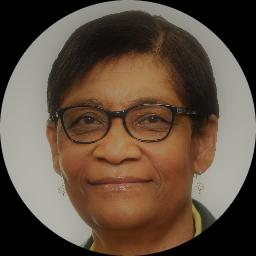
I am a licensed Chartered Clinical Psychologist based in the UK with 27 years’ experience providing specialist clinical psychological services...
27 years experience United Kingdom

I am a person-centred psychotherapist with autism, licensed in the UK with 4 years of professional experience. I am experienced...
4 years experience United Kingdom

Welcome! Thank you for visiting my page. My name is Mariam, and I am a licensed Person-Centered Therapist based in...
10 years experience United Kingdom

I am credentialed in the United Kingdom with 3 years of professional work experience. I have experience in helping clients...
3 years experience United Kingdom

I am a qualified UK‑based psychotherapist with over 14 years of direct counselling experience and more than 18 years working...
14 years experience United Kingdom

I am a dedicated therapist committed to supporting individuals through life's complex challenges. My professional approach centers on helping clients...
5 years experience Illinois

I am licensed in New York with 40 years of professional work experience. I work with children adolescents and adults...
40 years experience New York

I am licensed in Arizona with 9 years of professional work experience. I have experience in helping clients with stress...
8 years experience Arizona

With over 25 years of dedicated clinical experience, I specialize in supporting individuals through life's complex emotional landscapes. My practice...
30 years experience Iowa

I'm a therapist dedicated to supporting individuals through life's most challenging moments. With experience across a wide range of concerns,...
3 years experience Oklahoma

I am credentialed in the UK with 3 years of professional work experience. I have experience in helping clients with...
3 years experience United Kingdom

Hi, My name is Matt. I am a Licensed Clinical Social Worker in Idaho with over 10 years of experience...
13 years experience Idaho

As a licensed therapist in New York, I specialize in supporting individuals navigating complex emotional landscapes. My approach centers on...
6 years experience New York

I am licensed in California with 22 years of professional work experience. I have experience in helping clients with stress...
22 years experience California

Hello! I am Diane Thomas, MS, LPC. I have spent more than three decades caring for others within the healthcare...
9 years experience Texas

I am licensed in Texas with 8 years of professional work experience. I have experience in helping clients with stress,...
8 years experience Texas

Hi there, My name is Megan and I look forward to the prospect of working alongside you, to explore opportunity,...
3 years experience Australia

I am an experienced Psychotherapist, Clinical Supervisor, and Lecturer, and a Full Clinical Member of the UK Council for Psychotherapy...
5 years experience United Kingdom

As a licensed therapist in Colorado, I specialize in supporting individuals navigating complex life transitions, emotional challenges, and personal growth....
5 years experience Colorado

I am licensed Clinical Mental Health Counselor in Florida with 15 years of professional work experience. I started as a...
17 years experience Florida

I am a retired 20yr military veteran, raised 4 girls on my own (I am a "self-proclaimed certified" parental management...
12 years experience California

I am a qualified counsellor based in the U.K, holding a BA(hons)degree in Counselling and Psychotherapy. I have 10+ years...
10 years experience United Kingdom

I am a licensed integrative therapist and an accredited psychologist based in the UK, with a robust background of 11...
11 years experience United Kingdom

I am a Licensed Professional Counselor with a masters of science in Counseling. I have over 17 years experience providing...
24 years experience Colorado

I am credentialed in Australia with 7 years of professional work experience. I have experience in helping clients with stress...
8 years experience Australia

As a compassionate therapist with extensive experience, I specialize in supporting individuals through complex emotional landscapes. My practice focuses on...
9 years experience Missouri

PROFILE I am an experienced Psychotherapeutic Counsellor, Hypnotherapist, Career Coach and Mental Health Trainer. I am BACP Registered and NCPS...
10 years experience United Kingdom

I am a Licensed Professional Clinical Counselor in Minnesota with over 5 years of experience working as a Dialectical Behavior...
10 years experience Minnesota

I am a fully qualified counsellor and therapist, and a full member of the British Association of Counsellors & Psychotherapists...
12 years experience United Kingdom

I am a trained integrative Counsellor, meaning I draw upon different therapies and skills to counsel clients; it also enables...
9 years experience United Kingdom

Hi I am Monica, a licensed therapist in the state of Utah. I have extensive experience supporting individuals through life's...
10 years experience Utah

I am licensed in North Carolina with 5 years of professional work experience. I have experience in helping clients with...
6 years experience North Carolina

My name is Nancy Dano. I have 10 years experience with providing trauma informed care, DBT, CBT, Solution Focused Therapy,...
10 years experience New York
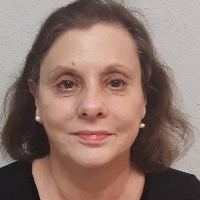
I have been a practicing social worker for more than 30 years . Much of this experience has been working...
32 years experience Florida

Hello, I am Miss Nancy. I am a LMSW, CAS (certified autism specialist), and an RPT (registered play therapist) in...
20 years experience Michigan

I am accredited counsellor in the United Kingdom with more than 15 years of experience. I have experience in helping...
15 years experience United Kingdom
Finding the right mental health support when you or a loved one has an intellectual disability can feel overwhelming. Intellectual disability affects learning, problem-solving, and adaptive skills, and it often comes with unique communication styles, health needs, and life challenges. Online therapy can offer flexible, person-centered support that meets those needs while reducing barriers to care. This page explains what intellectual disability means in a therapy context, common concerns families and individuals bring to therapy, how online therapy can help, and practical tips for finding a therapist who is a good fit.
Intellectual disability (sometimes abbreviated ID) refers to differences in cognitive functioning and adaptive behavior that begin in childhood. The level of support someone needs varies widely – from mild learning or adaptive challenges to more significant support needs. In a therapeutic context, the focus is on supporting emotional well-being, building practical skills, reducing distress and behavior that causes harm or limits independence, and helping the person meet personal goals.
Therapy for individuals with intellectual disability often includes a combination of approaches: adaptations of talk therapy using simpler language and visual supports, behavioral interventions like positive behavior support, family- and caregiver-focused therapy, social skills training, and coordination with schools, medical providers, and community services. Goals may include managing anxiety or mood differences, improving communication and social connections, increasing independence, and supporting transitions such as school-to-adult services or workplace integration.
People with intellectual disability and their families commonly seek therapy for several related concerns. Co-occurring mental health symptoms such as anxiety, depression, or emotional dysregulation are frequent, and they may present differently than in neurotypical clients. Challenging behaviors can be a way of communicating unmet needs or distress, and identifying triggers and teaching alternative skills is often a primary focus.
Families and caregivers are frequently involved in treatment, both to support skill generalization and to reduce caregiver stress. Other common needs include help with social skills and friendship-building, managing transitions and life changes, support for sensory or communication differences, and advocacy for educational or vocational services. Many people also seek support for trauma, grief, or the emotional impact of stigma and isolation.
Online therapy can make services more accessible and flexible for people with intellectual disability. Virtual sessions allow therapy to take place in a familiar environment, such as home, which can reduce anxiety and help clinicians observe real-world interactions and routines. Therapists can work directly with caregivers and other support people to practice strategies in the situations where they’re needed.
Therapists who specialize in intellectual disability can use telehealth tools to share visual supports, simplified worksheets, communication boards, and video modeling. Remote sessions also make it easier to bring together multiple team members—family members, support staff, teachers—without the logistical burden of travel. For people with mobility or transportation challenges, or those living in areas with few specialists, online therapy expands access to clinicians with specific experience in developmental disabilities.
Online therapy offers several advantages while still complementing in-person care when needed. Teletherapy reduces travel time and sensory demands associated with unfamiliar clinic settings, which can make it easier for some clients to engage. It also enables more flexible scheduling and shorter, more frequent check-ins that can better match attention and stamina levels.
Because sessions happen in the home environment, therapists can see real-life routines and help design supports that fit day-to-day life. Online sessions can make it simpler to include caregivers or support staff from different locations, facilitating coordinated care. For people in rural or underserved areas, virtual options often mean access to specialists who would otherwise be out of reach.
That said, some interventions—such as hands-on behavioral supports or assessments that require in-person testing—may still be best delivered face-to-face. Online therapy is often most effective when it is tailored, flexible, and integrated with other services as needed.
Initial sessions usually focus on gathering information about strengths, challenges, communication style, educational or medical history, and the support network. Therapists will ask about daily routines, triggers for distress or challenging behavior, sensory preferences, and previous supports that worked or did not work. This intake lets them design an individualized plan with practical goals.
Therapy sessions may be shorter or more structured than typical adult talk therapy. Clinicians often use plain language, visual aids, role-play, and practice tasks. Sessions might include caregiver coaching, modeling strategies, or guiding rehearsals for real-life situations. Progress is typically monitored through observable changes in skills or behavior, and therapists may coordinate with schools, case managers, or medical providers to ensure consistent supports.
Expect therapists to discuss accommodations you may need for online sessions, such as closed captions, visual schedules, or the presence of a familiar support person. Confidentiality, informed consent, and decision-making supports are also part of the conversation, especially when guardianship or supported decision-making arrangements are involved.
When looking for a therapist, prioritize experience with intellectual disability and related approaches such as positive behavior support, trauma-informed care, and family-centered interventions. Ask about their experience communicating with clients who use alternative forms of communication, and whether they can use visual aids or adapt materials to different learning needs.
It’s helpful to ask potential therapists how they involve caregivers, coordinate with schools or medical providers, and measure progress. Find out whether they offer shorter or more frequent sessions, what platform and accessibility features they use, and how they handle crisis situations. Consider cultural competence and respect for the person’s preferences and autonomy—good therapists will center the person’s goals and strengths, not just symptom reduction.
Reaching out for help can feel like a big step, but you don’t have to do it alone. When contacting a therapist, explain the person’s communication style, sensory needs, and what has helped in the past. It’s okay to request a brief phone or video consultation to see if the therapist’s approach feels like a good fit before committing to regular sessions.
Bring a support person to the first session if that helps, and be ready to share practical examples of daily routines and situations you want to change. Small steps—scheduling a consultation, asking about accommodations, or trying a single short session—can lead to meaningful improvements in coping, daily skills, and quality of life.
Finding the right therapist for intellectual disability takes time, but the right match can provide practical tools, emotional support, and coordinated care that makes daily life easier and helps the person pursue their goals. If you’re ready, start by searching for clinicians with experience in developmental disabilities and telehealth accommodations, and reach out to begin the conversation.