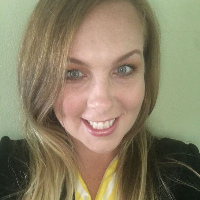
Dr. Anita Anglade
As a therapist and social activist, I have a passion for supporting other world changers in being able to care...
12 years experience New York

You’ve taken an important step by seeking support, and you’re in the right place to connect with therapists offering trauma-focused therapy as you begin to reclaim your sense of stability and strength.
Online sessions make it easier to meet with caring clinicians – offering flexibility, privacy, and convenience that fit your schedule. Browse the listings below to explore options and choose someone you feel comfortable with.
As a therapist and social activist, I have a passion for supporting other world changers in being able to care...
12 years experience New York

I have a Masters and PhD in Counseling and Counselor Education, with over 18 years of experience in the field...
18 years experience Illinois
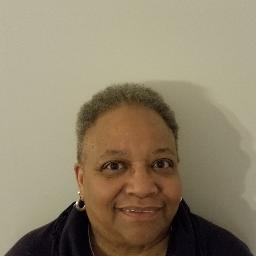
I am very collaborative in my work and believe that the client is the expert when it comes to his/her...
21 years experience Maryland

I am an independently licensed clinical counselor (LPCC-S) and art therapist with 25 years of experience. I have worked with...
25 years experience Ohio
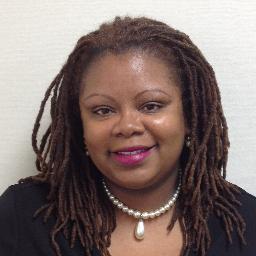
Hello, my name is Dr. Annette Solomon and I look forward to working with you. Congratulations... you’ve taken the first...
21 years experience Michigan

I am a family and marriage therapist licensed in Minnesota with over 13 years of experience working as a therapist....
14 years experience Minnesota

Licensed MFT with Texas and South Carolina. A retired U.S. Army Chaplain. I have experience in helping clients with various...
16 years experience Florida

I am a Licensed Mental Health Counselor (LPC) in Wisconsin. I graduated with a Doctorate in Education and a Master’s...
3 years experience Wisconsin
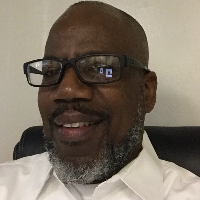
Hi, I hope you are well or soon will be. My name is Mr. Antimoore Jackson. I would like to...
40 years experience Arkansas
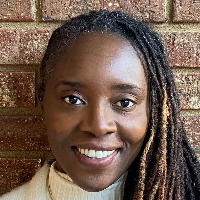
Hello I thank you for the opportunity to work with you. I have experience in providing psychotherapy for individuals, couples,...
16 years experience South Carolina
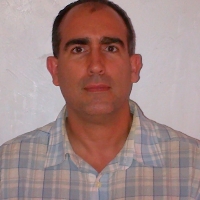
I am a mental health counselor licensed in Florida with over 20 years of experience. I have worked with a...
21 years experience Florida

My name is Ashley A. Pechek. I am a Licensed Professional Counselor (LPC) in Colorado who has over 14 years...
15 years experience Colorado

At Grace Be Mental Health, we believe in the importance of holistic health! We believe in the mind, body, soul...
20 years experience Pennsylvania

Welcome! I am a person, who like many other human beings, has skills and talents. As a qualified mental health...
21 years experience Illinois

Hi! My first name “Audni” is pronounced “Audnee,” not to be confused with “Audrey” or “Audi,” the automobile. Since we...
20 years experience Texas
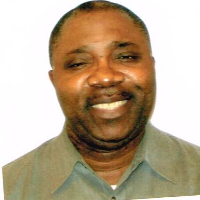
Hello! My name is Augustine and some people call me Dr. B. I am a family and marriage counselor licensed...
22 years experience New Jersey

I have been working with children and parents and individuals for many years. My approach to therapy is one of...
20 years experience California

I am licensed in Maryland with 10 years of professional work experience. I have experience in helping clients with relationship...
14 years experience Maryland

Welcome! I am a National Certified Counselor (NCC), a Licensed Professional Counselor (LPC), a Clinical Certified TeleMental Health Professional (CTMH)...
25 years experience Tennessee

I am a licensed psychologist in Utah with 35 years of professional work experience. I am a full time professor...
35 years experience Utah

Hello! My name is Ben Wilson, and I am a Licensed Mental Health Counselor (LMHC) and Licensed Clinical Addiction Counselor...
14 years experience Indiana

As a licensed therapist in Illinois, I bring over 15 years of dedicated experience supporting individuals navigating complex emotional landscapes....
16 years experience Illinois

I am licensed in Texas with 8 years of professional work experience. I have experience working with military families and...
8 years experience Texas

I am a counselor licensed in Georgia as an LPC and Florida as an LMHC while also pursing licensure to...
20 years experience Georgia

I am a licensed clinical mental health counselor (LCMHC), licensed clinical addictions specialist (LCAS), master of addictions counselor (MAC), and...
18 years experience North Carolina

Hello! I am Dr. Brandon Olive, a licensed clinical psychologist in the Commonwealth of Kentucky. I have learned from personal...
21 years experience Kentucky

Brannon Pruet has been working in the mental health field across the United States for the past twenty-six years. Moving...
3 years experience Colorado

Dr. Brenda Bridges has spent her life using her own personal and career experiences to help individuals overcome challenges and...
12 years experience Texas

I am a licensed clinical social worker in California, Kentucky, Idaho, and Oregon with over 30 years of experience working...
30 years experience California

I’m a Licensed Marriage and Family Therapist with a PhD in Developmental Psychology. I bring over 7 years of experience...
7 years experience Minnesota

I am licensed in Indiana with 8 years of clinical work experience and 30 years as a PhD in neuroscience...
10 years experience Indiana

Whatever your reasons are for seeking therapy, I am here and I am committed to helping you resolve your problems....
30 years experience Pennsylvania

The decision to seek therapy takes a lot of courage and is a commendable sign of strength. Having a safe...
10 years experience Ohio
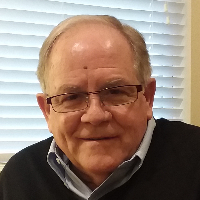
Dr. Bruce Pedigo holds a Doctorate degree with a specialization in Child, Youth, and Family Studies. He has extensive experience...
40 years experience Florida

Welcome! My name is Dr. Cammie Connor, a Licensed Professional Counselor (LPC) in the state of Missouri with over 15...
15 years experience Missouri

Greetings, My name is Dr. Candace Body Williams, and it is an honor to be considered as a potential partner...
20 years experience Georgia

I am licensed in Florida with 25 years of professional work experience. I have experience in helping clients with stress...
25 years experience Florida

I started my career as an educator over 25 years ago. I work as a mental health professional and a...
9 years experience Texas

I am a licensed clinical social worker in Virginia with over 20 years of experience providing compassionate, evidence-informed counseling. I’ve...
20 years experience Virginia

As a licensed therapist in Texas, I specialize in supporting individuals navigating complex life challenges. My professional approach centers on...
3 years experience Texas
Trauma-focused therapy is a type of mental health treatment that centers on the effects of traumatic events and the ways those events continue to affect daily life. Whether trauma stems from a single incident, repeated experiences, childhood adversity, or prolonged stress, trauma-focused work aims to reduce symptoms, increase safety and stability, and help people rebuild a sense of control, connection, and meaning.
Trauma-focused therapy refers to approaches specifically designed to address the emotional, cognitive, and physical impacts of trauma. Therapists trained in this work focus on helping clients process traumatic memories, manage distressing symptoms like flashbacks and hypervigilance, and develop coping skills for triggers and relationships.
There are several evidence-informed models commonly used in trauma-focused therapy, including therapies that emphasize processing traumatic memories, therapies that incorporate body-based or somatic techniques, and therapies that focus on building regulation and safety. A trauma-focused therapist will often combine skill-building, stabilization, and gradual processing in ways that match a client’s needs and readiness.
People come to trauma-focused therapy for many reasons. Some seek help after a discrete traumatic event such as an accident, assault, or natural disaster. Others pursue therapy for the effects of ongoing or complex trauma – for example, childhood abuse, neglect, or prolonged exposure to stressful environments.
Common concerns include intrusive memories, nightmares, avoidance of reminders, relationship challenges, emotional numbness, anxiety, depression, difficulties with trust, and physical symptoms linked to stress. Some people struggle with dissociation, substance use that developed as a coping strategy, or difficulty functioning at work or school. Family members and partners may seek guidance on how to support someone who has experienced trauma.
A trauma-focused therapist helps people address these concerns while prioritizing safety and gradual progress rather than pushing for immediate disclosure or dramatic breakthroughs.
Online trauma-focused therapy makes it possible to connect with clinicians who have the right training, even when local options are limited. For many people, remote sessions reduce the logistics and stress of traveling to an office, helping them stay consistent with care.
Working online can also make it easier to access providers who specialize in particular types of trauma or cultural backgrounds. This access supports better therapeutic fit – an important factor in trauma recovery. Additionally, some clients feel safer and more in control when speaking from their own space, which can make it easier to engage in difficult conversations or early stabilization work.
Online therapy offers practical benefits that can be especially helpful in trauma work. It increases access to specialists, which matters when trauma requires a clinician with specific training or experience. Remote sessions reduce the time, cost, and scheduling friction that sometimes prevent people from continuing care.
For people with mobility limitations, social anxiety, or safety concerns about traveling, online therapy provides a degree of comfort and privacy that can make starting therapy more feasible. It can also allow for continued treatment during life transitions, travel, or when in-person options are limited by location.
That said, in-person therapy may offer advantages for certain kinds of trauma processing or for people who prefer face-to-face presence. The choice between online and in-person care depends on individual needs, safety considerations, and the clinician’s approach. Many people find that a well-trained trauma therapist can offer highly effective care online when proper safety planning and secure technology are in place.
Initial sessions usually focus on assessment, establishing safety, and agreeing on goals. Your therapist will ask about your history, current symptoms, coping strategies, and any concerns about safety or substance use. This is also a time to discuss privacy, confidentiality, and what to do in case of an emergency when working remotely.
Early work often emphasizes stabilization: learning grounding techniques, emotion regulation skills, and strategies to manage panic, flashbacks, or dissociation. Therapy may include psychoeducation about trauma responses and ways to reduce day-to-day distress.
As you and your therapist determine readiness, sessions may move toward processing traumatic memories or experiences. The pace is collaborative and guided by your needs. Some approaches use narrative methods, exposure-based techniques, or body-centered practices adapted for telehealth. Throughout, your therapist should prioritize consent, titration of emotional intensity, and a clear plan for safety and support between sessions.
Practical considerations for online sessions include using a private, comfortable space, checking internet and device readiness, and confirming emergency contacts and local crisis resources. Therapists should explain how they maintain confidentiality and what steps they take to protect your privacy online.
When looking for a trauma-focused therapist, start by searching for clinicians who list trauma, post-traumatic stress, or related specialties. Look for mention of specific training in trauma-informed approaches, and ask about experience with the type of trauma you experienced – for example, combat-related trauma, childhood abuse, medical trauma, or sexual assault.
Check credentials and licensure to ensure the therapist is qualified to provide care in your state or region. It is appropriate to ask about telehealth experience, how they handle safety planning remotely, and whether they have experience with dissociation or complex trauma if that is relevant to you.
Cultural competence matters. Ask whether the therapist has experience working with clients who share your background, identity, or life circumstances. A good fit includes not only clinical skill but also a sense of trust and comfort in the relationship.
Many therapists offer a brief consultation call or message exchange before starting. Use that opportunity to ask about their approach to trauma, how they pace processing, and what they recommend for your specific situation. Trust your instincts – feeling respected and heard is essential to effective trauma work.
Reaching out for trauma-focused therapy is a courageous step. You do not need to have everything figured out before contacting a therapist. Starting with a short consultation can help you learn about options and determine whether online therapy feels like a good fit.
If you are worried about immediate safety or are in crisis, contact local emergency services or crisis lines right away. For non-urgent needs, take your time to find a therapist who respects your pace, explains how telehealth works, and prioritizes safety and consent.
Finding the right trauma-focused therapist can open the door to learning new ways of coping, reducing the hold of traumatic memories, and rebuilding connection and meaning. Taking the first step toward therapy is an investment in your safety and wellbeing – and you do not have to do it alone.