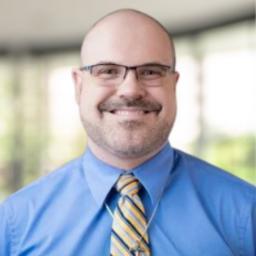
Dr. Brannon Pruet
Faith-informed clinical mental health care
Start with Dr. Brannon PruetLicensed · Professional · Cancel Anytime

Faith-informed clinical mental health care
Start with Dr. Brannon PruetLicensed · Professional · Cancel Anytime
Dr. Brannon Pruet is a Colorado-based mental health professional who blends clinical expertise with a faith-informed perspective. He works with individuals, couples, families, and adolescents on concerns including stress, anxiety, addictions, relationship issues, trauma and abuse, depression, grief, eating disorders, self-esteem, bipolar disorder, ADHD, and coping with life changes.
He has worked in the mental health field across the United States and has held clinical roles in community mental health centers as a case worker and residential counselor. His background also includes extensive inpatient psychiatric work providing individual psychotherapy, milieu management, and group therapy facilitation. He has provided crisis assessment and behavioral health services in emergency department settings and has played leadership roles in developing and directing clinical programs for adolescent and young adult services. Dr. Pruet also established a private practice in Aurora.
Dr. Pruet earned a doctorate in Psychology from Grand Canyon University, a Master’s degree in Counseling from Denver Seminary, and a Bachelor’s degree in Pre-Medicine and History from Auburn University. He has completed graduate theological studies at Duke University and is an ordained evangelical Christian minister through New Horizon Ministry. He is licensed to practice as a Licensed Professional Counselor in Colorado (CO LPC 5059) and holds certification as an addiction specialist. In the community he has worked with organizations such as the National Alliance on Mental Illness and has been recognized for his advocacy and service.
Clinically, Dr. Pruet treats a range of chronic and persistent mental health conditions, including schizophrenia, bipolar disorder, PTSD, major depression, and anxiety disorders, and he supports clients addressing substance use, bereavement, and family or relationship challenges. His therapeutic approach is integrative, drawing from cognitive behavioral, client-centered, EMDR, and solution-focused methods. Grounded in a biblical worldview, he incorporates spiritual care as an important component of healing for those who seek faith-informed treatment.
Many people ask whether online therapy can genuinely help. For common concerns such as stress, anxiety, depression, relationship challenges, and navigating life transitions, remote therapy has been found to be as effective as traditional in-person work for most clients.
One major benefit is flexibility - clients can choose the mode of connection that fits their life and comfort level, whether that is video sessions, phone appointments, live chat, or in-app messaging. This range of options makes it easier to maintain continuity of care around work, family, and other commitments.
Licensed professionals provide the care, and if a client feels another therapist would be a better fit, it is possible to change providers. Online therapy can be a practical way to access consistent, professional support without needing to travel to an office.