
Cynthia Fletcher
I enjoy working with individuals and families interested in creating changes, while receiving necessary support. I assist clients in reaching...
14 years experience Kentucky

You’ve taken an important step by looking for support, and you’re in the right place to find therapists experienced with non-monogamous relationships who can respect your needs and goals.
Online sessions offer flexibility, privacy, and convenience – letting you connect from wherever you feel comfortable. Browse the listings below to explore providers and find someone who feels like a good fit.
I enjoy working with individuals and families interested in creating changes, while receiving necessary support. I assist clients in reaching...
14 years experience Kentucky

I am licensed in Texas with over 26 years of having the honor of connecting with amazing individuals. I have...
20 years experience Texas

I am a Person Centered/Humanistic Therapist in the UK with over 7 years of experience. To date, I have worked...
7 years experience United Kingdom

Dagmar Salamonova-Clark, BACP Accredited Therapist MSc Psychology, PGDip Psychodynamic Psychotherapy, PGDip CBT Advanced ADHD Practitioner | Trauma-Informed | Mind-Body-Spirit Approach...
14 years experience United Kingdom

As a psychotherapist trained in the pluralistic approach, I use a variety of therapeutic methods to tailor treatment to your...
5 years experience United Kingdom

I am based in the UK with 12 years of professional work experience. I have experience in helping clients with...
12 years experience United Kingdom

I am a registered member of the BACP and an NCS accredited counsellor with 4 years post-qualified experience, working with...
10 years experience United Kingdom

Life wasn’t meant to feel this heavy. Maybe you wake up with anxiety in your chest, replay old memories you...
8 years experience United Kingdom

I am a licensed Counselor in the State of Missouri with close to 7 years of professional experience. I enjoy...
8 years experience Missouri

I am licensed in the UK with over 5 years of professional work experience. I have experience in helping clients...
5 years experience United Kingdom

I’m David Benavidez. Throughout my time as a therapist, I have come to learn to see myself as a relationship...
6 years experience Texas

I am credentialed in Australia with 16 years of professional work experience. I have experience in helping clients with stress...
16 years experience Australia

I am a humanistic psychotherapeutic counsellor with a faith in the human potential to develop in a positive direction. I...
7 years experience United Kingdom

Welcome to my profile. Hello there, my name is David. I am a talking therapies counsellor licensed in the UK...
8 years experience United Kingdom

I am credentialed in the UK with 3 years of professional work experience. I have experience in helping clients with...
12 years experience Kentucky

I am licensed in the UK with over 7 years of professional work experience. I have experience in helping clients...
7 years experience United Kingdom

I am licensed in Georgia with 15 years of professional work experience. I have experience helping clients with anger management,...
18 years experience Georgia

With 7 years of professional experience in the UK, I have had the privilege of helping individuals navigate through some...
8 years experience United Kingdom

Hey there, Welcome to my service page. My name is Debby and I congratulate you on taking that first step...
4 years experience United Kingdom

I am a adult Pluralistic psychotherapist/ counsellor with three years experience of working in adult services as a therapist. I...
3 years experience United Kingdom

I am a member of the British Association for Counselling and Psychotherapy and an accredited member of the National Counselling...
10 years experience United Kingdom

As a therapist, my approach is contemporary and uniquely tailored to each client. Everyone has the answers within themselves and...
7 years experience New York

I am licensed in North Carolina and South Carolina with 10 years of professional work experience. I have experience in...
10 years experience South Carolina

I am a fully qualified licensed therapist in the UK with over 18 years of professional work experience. I work...
18 years experience United Kingdom

Is something not working out in your life as you think it should? Is it affecting your mental well-being? My...
9 years experience United Kingdom

I am licensed in the UK with 8 years of professional work experience. I have experience in helping clients with...
8 years experience United Kingdom
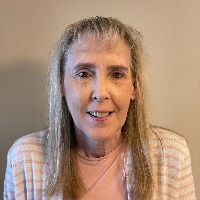
Hi. Thank you for reading my profile. I am passionate about what I do and have been from the minute...
25 years experience Michigan

I am licensed in Nevada with 35 years of professional work experience. I have experience in helping clients with stress...
35 years experience Nevada

I am a UK-credentialed therapist with 14 years of professional experience. I specialize in helping clients navigate stress and anxiety,...
14 years experience United Kingdom

In our sessions, putting your goals at the centre of our work, we will collaborate to help you find ways...
3 years experience United Kingdom

I’m Dr. Akamin Nkengaka, a Licensed behavioral therapist with 16 years of evidence-based practice experienced. I help clients with stress,...
15 years experience Illinois

I am Dr. Mosier, a licensed Psychologist in Alabama with 24 years of professional work experience. I am trained in...
24 years experience Alabama

I am licensed with 4 licenses in mental health in Texas. I have a Master’s in Clinical Psychology and a...
46 years experience Texas
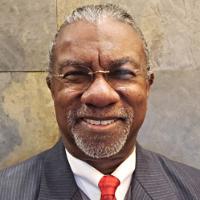
I have counseling work experience in residential, community agency, university counseling centers and private practice settings. I have experience with...
48 years experience North Carolina

Great to Meet You, I am licensed in Michigan and the U.S. Virgin Islands with over 25 years of professional...
25 years experience Michigan

I am a licensed Marriage and Family Therapist (CA #12959) with over 15 years of experience counseling/ accompanying persons through...
5 years experience California

About me. I’ve had a life full of international travel. Spent a lot of time as an expat in an...
3 years experience United Kingdom

Hi, there! I go by “M.A.,” though I have other nicknames, too. I’m a licensed family therapist and a licensed...
32 years experience Florida

I am a HCPC-registered Practitioner Psychologist based in the UK, with over 11 years of professional experience in both the...
12 years experience United Kingdom

My name is Robin I completed my Doctorate in Clinical Psychology at California Southern University, Master’s degree from Webster University...
7 years experience Florida
Non-monogamous relationships include a range of consensual arrangements where partners agree to have romantic or sexual connections with more than one person. Whether you identify as polyamorous, in an open relationship, practicing swinging, or navigating other forms of consensual non-monogamy, relationship therapy can help you and your partners build communication, set healthy boundaries, and manage the unique challenges that arise. If you are looking to find a therapist who understands non-monogamy, online therapy makes specialized, affirming care more accessible.
Non-monogamous relationships are diverse. Some people practice ethical non-monogamy with clear agreements and multiple long-term partners, while others have occasional consensual encounters outside a primary relationship. Common terms include polyamory, open relationships, relationship anarchy, and swinging. What unites these arrangements is consent, negotiation, and intentionality about how relationships are structured.
Therapists who work with non-monogamous clients typically focus on relationship dynamics, communication skills, boundary-setting, sexual health and safety, and navigating social stigma. They help partners translate their values into practical agreements that evolve over time.
People in non-monogamous relationships often seek therapy for issues that are similar to monogamous couples, but with particular nuances. Jealousy and insecurity can surface in different ways, and learning to name the feelings behind jealousy is often the first therapeutic step.
Negotiating agreements is another frequent need. Partners may want support creating clear, realistic arrangements about time, disclosure, safe-sex practices, and emotional boundaries. Therapists can help translate abstract values into concrete practices so agreements are sustainable.
Communication and conflict resolution are central. Non-monogamous structures often require explicit, ongoing conversations about needs and limits. Many clients come for help learning how to hold difficult conversations without escalation, and how to repair ruptures when agreements break down.
Other common concerns include managing time and logistics across multiple relationships, parenting and co-parenting considerations, dealing with family or community stigma, and finding ways to balance multiple emotional attachments.
Online therapy expands access to therapists who have specific experience with non-monogamy. In many areas, in-person clinicians with this expertise are limited, so virtual care helps you connect with a therapist who understands your relationship structure and values.
Therapists can work with individuals, couples, or multiple partners in joint sessions across locations. This is especially helpful when partners live apart, travel frequently, or are in different time zones. Video sessions let everyone participate from a private, comfortable space.
Online therapy also supports continuity of care when people move or change schedules. It can be easier to maintain regular sessions when appointment times and locations are flexible, which is important for relationships that evolve rapidly or involve complex coordination.
One major advantage of online therapy is access. If you want a clinician who is explicitly non-judgmental about non-monogamy or has training in sex-positive practices, you can search widely rather than being limited to local options. This increases the likelihood of finding a good fit.
Convenience and scheduling flexibility are additional benefits. Virtual sessions eliminate commute time and can be scheduled outside standard business hours, which helps partners with different work schedules or childcare needs participate more easily.
Online therapy can feel more private for some people. Attending sessions from a secure, familiar space can reduce anxiety about being seen entering a clinic or waiting room. This can make it easier to talk about sensitive topics honestly.
In-person therapy still has strengths. Some clients prefer face-to-face connection for reading body language and building rapport. Depending on your needs, combining online and occasional in-person sessions can also be an effective approach.
Initial sessions typically include an intake where the therapist gathers information about relationship histories, values, goals, and any current agreements. If you are seeking couples or multi-partner sessions, the therapist will clarify who will be involved and how sessions will be structured.
Therapeutic work often focuses on communication tools, such as nonviolent communication, and practical skills for negotiation and boundary-setting. Therapists may introduce exercises for practicing check-ins, creating time-management plans, or drafting written agreements to reduce ambiguity.
Sexual health and safety, including STI prevention and testing communication, are common topics. Therapists may coordinate with medical providers or recommend resources for up-to-date sexual health information.
Expect the therapist to address emotional regulation and coping strategies for jealousy, anxiety, and grief. Many clinicians use evidence-informed approaches like cognitive-behavioral techniques, emotionally focused strategies, or systemic perspectives adapted to non-monogamous dynamics.
When searching for a therapist, look for clinicians who explicitly mention experience with consensual non-monogamy, polyamory, or sex-positive practice. Read provider profiles and search filters carefully to find language that indicates an affirming, non-judgmental stance.
Ask potential therapists about their training and experience with multi-partner sessions, sexuality, and relationship diversity. It’s appropriate to inquire how they handle confidentiality with multiple partners and whether they have experience drafting workable agreements.
Consider therapist modalities and cultural competence. If sexual identity, gender diversity, or cultural background matters to you, find a clinician who demonstrates awareness and sensitivity in these areas. Also check licensing and whether the therapist provides telehealth in your state or region.
Many therapists offer a brief phone or video consultation. Use that time to assess comfort and trust. Ask about session format, fees, cancellation policy, and expectations for homework or between-session work. A good fit is as much about feeling heard and respected as it is about credentials.
Reaching out for help is a practical, positive step toward healthier relationships. You do not need to have a crisis to benefit from therapy—many people seek support to improve communication, prevent future problems, or solidify evolving agreements.
Prepare for an initial search by clarifying your goals. Do you want support for jealousy, help negotiating a new agreement, or a neutral facilitator for conversations with multiple partners? Having a few goals will make it easier to find and vet potential therapists in a directory.
When you contact a therapist, be honest about your relationship structure and what you hope to achieve. An experienced clinician will respond without judgment and will help you plan next steps, whether that means individual work, couples sessions, or multi-partner meetings.
Finding the right therapist can make a meaningful difference in how you and your partners experience intimacy, trust, and freedom. Online therapy makes it easier to find someone who understands non-monogamy and can support your relationships in practical, respectful ways. Taking that first step is often the hardest part—after that, you can begin the work of aligning your relationships with your values.