
Wanda Barnes
I am licensed in Florida and Maine with 15 years of professional work experience. I have experience in helping clients...
15 years experience Florida

Gender Dysphoria can feel isolating, and you’ve taken an important step by seeking support – you’re in the right place to find therapists who will listen, validate, and support your goals.
Online therapy offers flexibility, privacy, and convenience, making it easier to connect with care from wherever you are. Browse the therapists listed below to explore options and choose someone who feels like a good fit.
I am licensed in Florida and Maine with 15 years of professional work experience. I have experience in helping clients...
15 years experience Florida
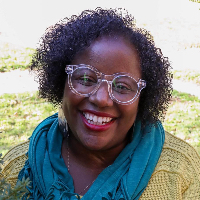
For three decades, I’ve dedicated my practice to “Healing the Helper.” As a Licensed Clinical Social Worker and certified member...
30 years experience Michigan

Hello! I'm so glad you are here! If you are ready to make some changes in life that are likely...
13 years experience Arkansas

I have 19 years experience working with all different types of people. I use many different treatment methods, geared towards...
19 years experience Montana

Hello! I am a licensed professional counselor in Pennsylvania with over 5 years of experience working as a clinical mental...
5 years experience Pennsylvania

Hi, I’m Wendy — welcome, and thank you for visiting my page. I want to start by offering you a...
4 years experience United Kingdom

I am licensed in New York with 26 years of professional work experience. I have experience in helping clients with...
26 years experience New York

I am licensed in the United Kingdom and have over 30 years of professional work experience. I have experience in...
28 years experience United Kingdom

Hey there! I am Whitney Hughes, she/her. I am a Licensed Professional Counselor, a Mental Health and Emotional Wellness Connection...
9 years experience Maine

Using a relational, holistic, and integrative approach I seek to facilitate healing and change. I enjoy working with children, adolescents,...
4 years experience Idaho

I am a Licensed Mental Health Counselor in Orlando, Florida. I’m a native of New Jersey who has called Central...
4 years experience Florida

Hello! Thank you for looking at my profile and considering me for counseling services. A bit about me, I have...
17 years experience Illinois

I am a Licensed Therapist in California and Washington with over 25 years of professional experience in the mental health...
25 years experience California

I am licensed in New York with 13 years of professional work experience. I have experience in helping clients with...
13 years experience New York

I am licensed in Indiana with 20+ years of professional work experience. I have experience in helping clients with coping...
8 years experience Indiana

I am William Keeler, but I go by Will. I have a Masters in Social Work from Eastern Washington University...
10 years experience Oregon

My name is William Scott Natale. I have been a License Clinical Social Worker in FL since 2006. I have...
20 years experience Florida

My focus is helping clients with stress and anxiety, parenting challenges, motivation, depression, ADHD, confidence and several other issues we...
5 years experience Missouri

Do you often feel misunderstood? Or like you have been seeking someone who can really help you understand and accept...
9 years experience Florida

Starting therapy can feel awkward or scary, especially if you’ve never done it before or you’re worried about being judged....
12 years experience Pennsylvania

I am licensed in Michigan and New Jersey with 7 years of professional work experience. I have experience in helping...
7 years experience Michigan

There are times in our lives when we all need help. Modern life can be lonely, disorienting and difficult to...
11 years experience Texas

I am a licensed clinical mental health counselor in North Carolina with 10 years of experience in counseling adolescents and...
11 years experience North Carolina

Welcome! My name is Yolanda Batres-Espinoza, and I am a Licensed Marriage and Family Therapist. I received my Master of...
5 years experience California

I am licensed in the UK with 5 years of professional work experience. I have experience in helping clients with...
4 years experience United Kingdom

25 plus years experience in the mental health field providing therapy and trained in evidence based practices. My approach is...
25 years experience California

Yvette Lanausse , LCSW has a Masters of Social Work degree from the University of Southern California, School of Social...
3 years experience California

As a licensed therapist in Texas, I bring 25 years of compassionate clinical experience supporting individuals through life's complex emotional...
25 years experience Texas

I have worked with individuals, couples, families and young people for over 30 years before embarking on this privileged profession....
6 years experience United Kingdom

My name is Zelimna Taveras. I am a bilingual (English/Spanish) Licensed Mental Health Counselor in the state of Florida. I...
8 years experience Florida

With over 15 years’ experience working with clients in various modaities, from mentoring and life coaching to therapeutic counselling. I...
5 years experience United Kingdom

I am an experienced counsellor currently offering online counselling and psychotherapy. I provide a warm, safe and nurturing space to...
7 years experience United Kingdom
If you are experiencing gender dysphoria or questions about your gender identity, finding a therapist who understands and affirms your experiences can make a meaningful difference. Online therapy makes it easier to connect with clinicians who specialize in gender-affirming care, whether you are exploring your identity, managing distress, navigating social and medical transitions, or seeking family support.
Gender dysphoria refers to the discomfort or distress that can occur when a person’s gender identity does not align with the sex they were assigned at birth. People with gender dysphoria may describe feelings of incongruence, anxiety, sadness, or frustration related to their body, social roles, or the way others perceive them. Gender identity is a deeply personal experience and can include identities such as transgender, non-binary, genderqueer, and many others.
Therapy for gender dysphoria is not about imposing any particular identity or outcome. Instead, gender-affirming therapy supports individuals in exploring their sense of self, reducing distress, building coping skills, and making informed decisions about steps they may want to take, including social changes, legal name or gender-marker updates, and discussions about medical options with qualified providers.
People seeking support for gender dysphoria often present with a range of related needs. Some are looking for a safe space to explore identity without judgment. Others are seeking strategies to cope with anxiety, depression, body dysphoria, or minority-stress that comes from discrimination and social stigma.
Adolescents and young adults may need help navigating family conversations, school or workplace accommodations, and puberty-related challenges. Parents and caregivers may seek guidance on how to support their child, understand gender-affirming approaches, and communicate effectively within their family and community.
In many cases, individuals benefit from help planning for social transition steps, preparing for conversations with employers or medical providers, and accessing resources such as support groups, legal information, or specialized medical care. Trauma, past rejection, and concerns about safety are also common topics in therapy for gender dysphoria.
Online therapy expands access to clinicians who specifically understand gender diversity and gender-affirming care. If local options are limited or you prefer to meet with someone who shares your background or has particular expertise, teletherapy makes it possible to work with a specialist who may be located elsewhere in your state or region.
Online therapy can provide a private, comfortable environment where you control who is present and where sessions occur. That can reduce barriers related to transportation, scheduling, and visibility, which is especially helpful for people living in rural areas, in unsupportive households, or in places with limited in-person resources.
Therapists offering telehealth can help with identity exploration, coping strategies for dysphoria, family mediation, trauma-informed care, and care coordination with medical providers when needed. They may also support documentation for legal name or gender-marker changes and assist with letters for gender-affirming medical care when appropriate and in line with professional guidelines.
Online therapy offers several practical advantages while still providing professional support. It often allows for more flexible scheduling, which can make it easier to fit sessions into busy lives or to maintain continuity during moves or travel. The ability to meet from your own safe space can reduce stress and make it easier to open up.
Teletherapy also increases access to clinicians who specialize in gender-affirming care, which is particularly important where local providers are scarce. That means you can prioritize finding a therapist with relevant experience and a respectful approach rather than compromising due to location.
While in-person sessions have benefits such as in-office rapport-building and certain therapeutic techniques that are easier face-to-face, online therapy is a convenient, effective option for many people seeking support for gender dysphoria. Some people choose a hybrid approach, using teletherapy for regular sessions and in-person care for specific needs.
Initial sessions typically involve an intake where the therapist asks about your history, current concerns, goals, and safety. Expect to discuss your gender identity, the aspects of life causing distress, and what you hope to change or understand better. Therapists should ask about mental health symptoms, social supports, and any urgent safety concerns such as self-harm or suicidal thoughts.
Therapeutic approaches may include supportive counseling, cognitive-behavioral strategies for anxiety and depression, trauma-informed care, family therapy, and affirmative practices that validate your identity. Therapists will work with you to set goals, whether those are emotional coping skills, planning a social transition, or improving relationships with family and friends.
Confidentiality, informed consent, and clear communication about limits of telehealth are important topics your therapist should cover. They should also provide information about what to do in a crisis and how to access local emergency services when necessary.
When searching for a therapist, look for clinicians who identify as gender-affirming or who list experience working with transgender and non-binary clients. Credentials such as licensed professional counselor, licensed clinical social worker, psychologist, or marriage and family therapist indicate that a clinician has completed formal training and licensing.
It can be helpful to read provider profiles or introductory pages to learn about their approach, training in gender-affirming care, and whether they work with adolescents, adults, couples, or families. You may want to ask about experience with specific concerns like medical referral processes, family mediation, or trauma-informed care. Asking about availability, session format, fees, and insurance or sliding scale options can also help you find a practical fit.
Trust your instincts about respect for pronouns, use of inclusive language, and a nonjudgmental stance. A good match feels safe and supportive, even if the therapist challenges you to grow and explore difficult feelings.
Reaching out for help can feel daunting, but taking the first step often brings relief. Start by using a therapist directory to filter for clinicians who list gender-affirming care, trans-competence, or experience with non-binary clients. Many therapists offer brief phone or video consultations so you can get a sense of whether they are a good fit before committing to regular sessions.
Prepare for your first session by thinking about your main concerns and what you hope to achieve. You do not need to have everything figured out—therapy is a space to explore at your own pace. If privacy is a concern, ask about secure platforms and strategies for safe sessions at home.
Finding the right support can help you feel affirmed, reduce distress, and build a clearer path forward. If you are ready to connect with a therapist who understands gender dysphoria, a telehealth search focused on gender-affirming clinicians is a practical and empowering next step.