
Dr. Shamagne Richardson
I am licensed in New Jersey with 6 years of professional work experience. I have experience in helping clients with...
6 years experience New Jersey

Deciding to seek support is a brave step, and you’re in the right place to find a therapist experienced in abandonment. You deserve understanding, steady guidance, and respect as you explore healing.
Online sessions offer flexibility, privacy, and convenience, making it easier to fit care into your life and feel comfortable opening up. Browse the listings below to explore profiles and find someone who feels like a good fit for you.
I am licensed in New Jersey with 6 years of professional work experience. I have experience in helping clients with...
6 years experience New Jersey

I am licensed in Florida with 25 years of professional work experience. I have experience in helping clients with stress,...
25 years experience Florida
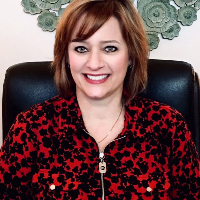
I am a seasoned counselor that has a genuine passion for helping others improve their quality of life by identifying...
19 years experience Texas

I am a Licensed Clinical Social Worker (LCSW) with a Doctorate in Social Work. My specialties include treatment of problems...
15 years experience New York

I am licensed in Oklahoma with 30 years of professional work experience. I have experience in helping clients with family...
31 years experience Oklahoma

Hello! I am a Clinical Psychologist licensed in Pennsylvania with over twenty years of experience practicing psychotherapy. I earned a...
22 years experience Pennsylvania

With over 15 years of experience as a Licensed Professional Counselor (LPC) and Licensed Clinical Alcohol and Drug Counselor (LCADC),...
15 years experience New Jersey

Dr. Sheila Gold is a licensed clinical social worker with her doctorate in social work. Dr. Gold has been in...
20 years experience Louisiana

I am licensed in Texas with 20 years of professional work experience. I have experience in helping clients with stress...
20 years experience Texas

I am a mental health treatment provider licensed in New Jersey, New York, and Florida with over 25 years of...
25 years experience New York
I am a Licensed Professional Counselor in the State of Texas, and hold a Doctoral degree in Pastoral Community Counseling...
20 years experience Texas

I am licensed in California with 40 years of professional work experience. I have experience in helping clients with stress,...
40 years experience California

As a licensed therapist in Georgia, I specialize in supporting individuals navigating complex emotional landscapes. My approach is deeply compassionate...
10 years experience Georgia

I specialize in supporting individuals navigating complex emotional landscapes. My practice centers on helping clients explore self-love, life purpose, and...
12 years experience Texas

I am licensed in Tennessee with 15 years of professional work experience. I have experience in helping clients with stress,...
15 years experience Tennessee

I am a graduate of The Chicago School of Professional Psychology, an APA-accredited program, in Chicago. I take a client-centered,...
14 years experience Utah

I am licensed in Washington with 20 years of professional work experience. I have experience in helping clients with coping...
20 years experience Idaho

I am a licensed clinical social worker with over 20 years of experience working with patients who have various mental...
21 years experience Alabama

I am a clinical psychologist with over 23 years of clinical experience. I have provided therapy in juvenile justice, residential...
24 years experience Virginia

I am licensed in Florida with 3 years of professional work experience. I have experience in helping clients with stress...
3 years experience Florida

As a licensed therapist in Illinois, I bring 16 years of dedicated experience supporting individuals through complex emotional landscapes. My...
16 years experience Illinois

Hello! I am Dr. Stephanie Bobbitt, and I am licensed in Michigan with 9 years of professional work experience. I...
11 years experience Michigan

I am licensed in New Mexico with 5 years of professional work experience helping my clients discover and leverage their...
6 years experience New Mexico

I am licensed in Mississippi with 16 years of professional work experience. I have experience in helping clients with coping...
16 years experience Mississippi

Hello and welcome! My name is Stephanie Zeid and I am a Licensed Psychologist and Neuropsychologist in the Houston, TX...
14 years experience Texas

I have been a therapist for over 32 years and I have worked in many different areas. I have been...
32 years experience Kentucky
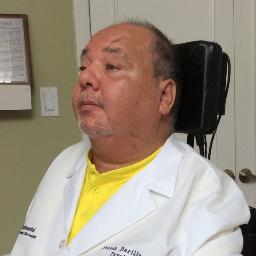
I am licensed in Ohio with 28 years of professional work experience. I have experience in helping clients with coping...
28 years experience Ohio
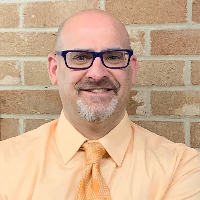
As a licensed therapist with over two decades of experience, I specialize in supporting individuals through life's complex challenges. My...
22 years experience New York

Hello _____________, Please take a moment to peruse my profile descriptions so you can get to know me better. I...
6 years experience Connecticut
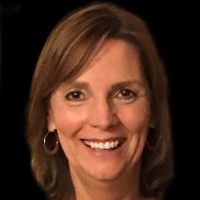
Hello! I am a Licensed Professional Counselor, in the state of Texas, with over 20 years of experience working as...
28 years experience Texas
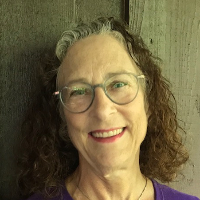
Welcome! If you are looking into Better Help, you are probably struggling with something significant in your life. Finding the...
25 years experience Texas

Hello, I am a Licensed Mental Health Counselor and Master Addiction Counselor, specifically alcohol/drugs and gambling. I have been in...
25 years experience Arizona

Welcome, I am Dr. Susan Schaming, a psychotherapist licensed in New Jersey and Pennsylvania with 38 years of professional experience....
38 years experience New Jersey
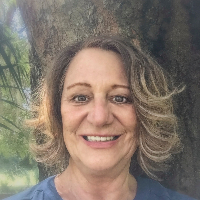
Hello! I am a Licensed Psychologist, and I have been working in the field for over 25 years. I can...
35 years experience Florida

I am licensed in California with 25 years of professional work experience. I have experience in helping clients with stress...
25 years experience California

I am licensed in Illinois, North Carolina, and Indiana, with 22 years of professional work experience. I am also a...
24 years experience Illinois

Hi there, I am glad you are here. I have been Licensed as a Clinical Mental Health Counselor in the...
17 years experience North Carolina

I am an experienced clinical psychologist who has worked with individual adults of all ages, with couples and with families....
30 years experience California

Dr. Tabitha Thompson is a Licensed Clinical Social Worker (LCSW) who finds value in helping others see the strengths in...
12 years experience California

I am a Social Worker licensed in Virginia with over 10 years of experience. I have worked with clients with...
11 years experience Virginia
Feeling abandoned or fearing abandonment can affect how you relate to others, how secure you feel in relationships, and how you manage stress and loss. Many people come to therapy because past experiences of neglect, loss, or inconsistent caregiving have left lasting patterns of anxiety, avoidance, or mistrust. Online therapy makes it easier to find clinicians who specialize in abandonment issues and attachment wounds, so you can begin healing from wherever you are.
Abandonment often refers to a pattern of emotional responses that develop after early separation, neglect, or traumatic losses. It is not a single diagnosis, but a range of experiences and reactions that shape expectations about relationships and safety.
People with abandonment concerns may have persistent worry that loved ones will leave, become hypersensitive to perceived rejection, or act out in ways that test relationships. Some respond by clinging and seeking constant reassurance. Others withdraw or push people away to avoid getting hurt. Abandonment can show up in romantic relationships, friendships, family dynamics, and the workplace.
Symptoms commonly linked to abandonment issues include intense jealousy, fear of being alone, emotional reactivity after perceived slights, repeated relationship patterns, low self-esteem, and difficulty trusting others. These reactions are understandable responses to past pain, and they can be addressed in therapy with compassion and skill.
People seek help for abandonment concerns for many reasons. You might be coping with the end of a relationship, grief after losing a caregiver, or the emotional fallout from unpredictable parenting. You might notice relationship patterns repeating across partners or friends, or find that your anxiety about being left interferes with daily life.
Some come to therapy after betrayals or breakups that triggered old wounds. Others look for support coping with long-term caregiving stress, divorce, or estrangement. Teens and adults who grew up with inconsistent attachment often struggle with identity, boundaries, and regulating emotions.
Therapy for abandonment needs to address both the past experiences that shaped your expectations and the present patterns that keep you stuck. That usually means working on emotion regulation, building trust, developing secure attachment strategies, and learning healthier ways to communicate and set boundaries.
Online therapy connects you with clinicians who have experience in attachment-based work, trauma-informed approaches, and relationship therapy without the limitations of geography. That expands your options for finding someone who understands abandonment and whose style fits your needs.
Virtual sessions can feel safer for people who are anxious about in-person meetings. Being in your own space often helps clients express vulnerability more comfortably while still receiving professional support. Therapists trained in attachment-focused therapies, cognitive-behavioral strategies, EMDR, schema therapy, or internal family systems can adapt those interventions effectively to a telehealth format.
Online therapy also allows for greater continuity during life transitions. If you move, travel, or change schedules, you can often continue with the same clinician. That stability can be particularly important when you are addressing fears tied to loss and inconsistency.
Online therapy offers flexibility that can reduce barriers to care. You can schedule sessions outside traditional commute times, access help from home, and fit therapy into a busy life without adding travel time. This convenience tends to produce better consistency in attendance, which is helpful for working on deep-seated patterns like abandonment fears.
Teletherapy expands the pool of therapists you can choose from, increasing the chance of finding a specialist who matches your attachment style, cultural background, or therapeutic approach. That fit matters a great deal when dealing with sensitive issues like trust and safety.
Some clients find that online sessions feel less intimidating and more controlled, which can encourage openness. While in-person therapy has its strengths, online formats provide privacy, accessibility, and continuity that can make a real difference in recovery from abandonment-related wounds.
During initial sessions, a therapist will usually explore your history of relationships, early family dynamics, and current patterns that cause distress. You can expect a careful assessment of how abandonment concerns affect your mood, behavior, and relationships, along with collaborative goal-setting.
Treatment may include learning emotion regulation skills, identifying and challenging unhelpful beliefs about worth and safety, practicing new communication strategies, and processing past losses or traumas. Some therapists use experiential work to build corrective relational experiences in the therapy relationship itself.
Therapy is a process. Progress often involves small shifts in thinking and behavior, setbacks, and gradual building of trust. A good therapist will move at a pace that feels manageable while gently encouraging growth and experimentation in how you relate to others.
When looking for a therapist, prioritize clinicians with experience in attachment work, trauma, or relationship therapy. Search for therapists who list abandonment, attachment wounds, relationship anxiety, or trauma in their specialties. Read profiles for mention of approaches you prefer, such as EMDR, trauma-focused CBT, schema therapy, or relational/psychodynamic therapy.
Consider practical factors like availability, fees, and whether they offer telehealth. Cultural competence and a nonjudgmental stance are important when working with sensitive relational pain. Many therapists offer a brief consultation call — use that to ask about their experience with abandonment, how they structure therapy, and what a typical session looks like.
Trust your instincts. Feeling safe and heard by a therapist is essential for addressing abandonment. If a therapist’s style doesn’t fit, it’s okay to try a different clinician. Finding the right match can make treatment more effective and feel more supportive.
Reaching out for help is a powerful step. You do not need to fix everything at once. Finding a therapist who understands abandonment and how it shapes relationships can provide a steady, compassionate space to explore fears, build new patterns, and strengthen your sense of safety.
Start by searching for therapists who specialize in attachment or trauma, schedule an initial consultation, and notice how you feel during that conversation. Small steps—like booking a session or making a short list of goals—can open the way to lasting changes in how you connect with others and with yourself.
Healing from abandonment is possible with time, support, and a therapist who fits your needs. If you are ready to begin, search for a clinician who offers online sessions and a style that feels safe and empathic for you.