
Claire Bottomley
Are you struggling with life? Perhaps you are tired of feeling anxious, low or have experienced a difficult life event...
5 years experience United Kingdom

Choosing to seek support is a meaningful step, and you’re in the right place to connect with professionals offering client-centered therapy. You deserve a respectful, understanding space where your perspective guides the work.
Online sessions offer flexibility, privacy, and convenience – making it easier to meet when and where you need. Browse the therapists listed below to explore profiles and take the next step toward support.
Are you struggling with life? Perhaps you are tired of feeling anxious, low or have experienced a difficult life event...
5 years experience United Kingdom

Are you LGBTQIA+ seeking a safe, affirming space to explore your sexuality, gender or neurodivergence? Have you experienced trauma, coercive...
3 years experience United Kingdom

I am credentialed in the United Kingdom with 4 years of professional work experience. I have experience in helping clients...
4 years experience United Kingdom

I am licensed in the UK with 3 years of professional work experience. I have experience in helping clients with...
3 years experience United Kingdom

I am credentialed in the UK with over 15 years of professional work experience. I have experience in helping clients...
15 years experience United Kingdom

Hi, my name is Claire, I am an Integrative Counsellor with over 4 years experience trained in a number of...
5 years experience United Kingdom

I am an individual and family therapist who is based in the UK with over 5 years experience, working with...
5 years experience United Kingdom

I am credentialled in the United Kingdom with 3 years of professional work experience. I have experience in helping clients...
3 years experience United Kingdom

Hi, I am Claire. I am a therapeutic counsellor, working in the UK. I specialise in person-centred therapy where the...
4 years experience United Kingdom

I am a degree qualified Integrative counsellor and psychotherapist in the UK with 8 years of professional work experience. I...
8 years experience United Kingdom

I am credentialed in the UK with 7 years of professional work experience. I have experience of working as a...
7 years experience United Kingdom

Finding Your Way Forward: Support for Loss and Life’s Challenges Life can bring many forms of loss – the death...
4 years experience United Kingdom

I am an integrative counsellor and psychotherapist, trained and accredited in person-centred counselling, Cognitive Behavioural Therapy and Psychodynamic therapy. What...
4 years experience United Kingdom

I am a licensed marriage and family therapist with 25 years experience working as a psychotherapist and life coach. I...
15 years experience California
I am a licensed marriage and family therapist with 25 years experience working as a psychotherapist and life coach. I...
15 years experience California

Hi I’m Claire. I have been counselling professionally for over 10 years and registered with the BACP. I am a...
10 years experience United Kingdom

Welcome-I’m glad you’re here. Starting therapy can feel like a big step, and it’s completely normal to have mixed feelings...
4 years experience United Kingdom

I am a Professionally Accredited Psychotherapeutic Counsellor credentialed in the United Kingdom with over 5 years of professional work experience....
5 years experience United Kingdom

Hi, and thank you for exploring my profile. I am licensed relational and relationship psychotherapist in the UK, with 5...
4 years experience United Kingdom

I am licensed in Georgia with 12 years of professional work experience. I have experience in helping clients with stress...
20 years experience Georgia
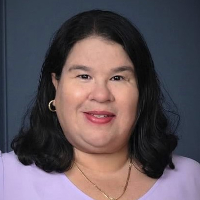
Hello/Hola, I am a bilingual (Spanish) Licensed Clinical Social Worker from the state of Florida. I have over 5 years...
10 years experience Florida

I am Licensed Clinical Social Worker in California and have been practicing for more than 20 years. I have experience...
20 years experience California

I am licensed in Tennessee with 6 years of professional work experience. I work with adolescents, college age and adults...
6 years experience Tennessee

I am credentialed in the UK with 13 years of professional work experience. I have experience in helping clients with...
13 years experience United Kingdom

Welcome, Trauma-informed psychotherapist for abuse, anxiety, eating struggles, and relationship wounds, narcissistic abuse. I hold specialist training in Rape and...
5 years experience United Kingdom

Find Support That Fits Your Life I offer flexible weekday and evening appointments, and if you don’t see a time...
5 years experience United Kingdom

I have been a licensed social worker for 16 years. I have experience with working with many clients and situations...
18 years experience Ohio

I earned my Master’s Degree in Professional Counseling and have continued to expand my training in areas such as attachment...
20 years experience California

About Me and My Practice I work from a humanistic, client-centred perspective, which means our sessions will be guided by...
4 years experience United Kingdom

I am licensed in Illinois with 3 years of professional work experience. I have experience in helping clients with stress...
3 years experience Illinois

If you are struggling with anxiety, depression, difficult relationships, or the long shadow of childhood experiences, you are in the...
8 years experience United Kingdom

I am licensed in Utah with four years of professional work experience. I have experience in helping clients with stress...
5 years experience Utah

I am a Licensed Professional Counselor (LPC) in the state of Pennsylvania with 24 years of professional work experience. I...
24 years experience Pennsylvania

As a licensed therapist in Illinois with over a decade of experience, I specialize in supporting individuals navigating complex emotional...
10 years experience Illinois

My name is Clark Hammond, and I am a Marriage & Family Therapist (MFT) licensed in the state of Utah....
22 years experience Utah
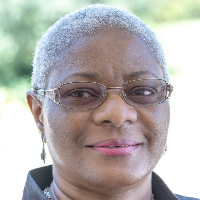
I am a client centered psychotherapist, licensed in the state of Florida, with the belief that we are more than...
19 years experience Florida

My therapeutic philosophy is that it’s not what is wrong with you but what happened to you. I believe that...
6 years experience Wisconsin

Hi there my name is Claudia! I am a counsellor working within the UK and have been practicing as a...
5 years experience United Kingdom

I am licensed in the UK with 4 years of professional work experience. I have experience in helping clients with...
7 years experience United Kingdom

Hi, I’m a licensed therapist in Texas, and I help people work through the emotional ups and downs that life...
6 years experience Texas
Client-centered therapy, also called person-centered therapy, is an approach that places your experience, values, and pace at the center of the therapeutic process. If you are looking for a supportive space where you are listened to deeply and guided to discover your own answers rather than given step-by-step instructions, client-centered therapy may be a good fit. This page explains what client-centered therapy involves, common reasons people seek it, how online therapy can help, and practical tips for finding the right therapist.
Client-centered therapy was developed by Carl Rogers and emphasizes empathy, unconditional positive regard, and authenticity from the therapist. The therapist creates a safe, nonjudgmental environment where you are encouraged to explore thoughts, feelings, and life experiences at your own pace.
Rather than directing change through interpretation or homework-driven techniques, the therapist listens reflectively, mirrors your emotions, and offers acceptance. This non-directive stance helps build trust and supports your ability to make choices consistent with your own values and sense of self.
People choose client-centered therapy for many reasons. Common concerns that draw people to this approach include low self-esteem, difficulty making decisions, relationship struggles, grief, life transitions, and a desire for deeper self-understanding. It can be particularly appealing if you want a collaborative, gentle process that honors your autonomy.
Some people prefer client-centered work when past experiences have left them feeling judged or misunderstood. The focus on empathy and acceptance can be healing for those who need a compassionate corrective experience. Others appreciate that the pace is set by them, which can feel empowering if directive therapies feel too pushy or clinical.
Online therapy makes it easier to find a clinician who practices client-centered therapy, even if that approach is rare in your local area. With video or phone sessions, you can connect with a therapist who matches your communication style and values, without geographic limits.
Because client-centered therapy depends heavily on rapport and a consistent, safe space, online sessions can be especially helpful. You can meet from a comfortable environment where you feel secure and in control. The familiar setting of your own home may allow deeper self-exploration, less performance anxiety, and easier access to sessions during busy periods of life.
Online therapy offers practical advantages that support the client-centered model. Scheduling flexibility often makes it simpler to keep consistent sessions, which is important for building trust and continuity in this approach. Eliminating travel time reduces stress and makes therapy more accessible for people with mobility limits or tight schedules.
Online sessions can reduce barriers related to stigma or privacy concerns. You can choose a private room at home instead of traveling to an office in your neighborhood, which may feel safer for people who want discretion. Online directories and search tools also increase the likelihood you will find a therapist whose background and approach match your needs.
That said, in-person therapy also has strengths, such as body language cues and a dedicated therapeutic environment. Many people find online therapy an effective and convenient alternative, and some therapists offer hybrid options so you can choose what feels best.
Your first online session typically includes intake questions about your history, current concerns, and goals. The therapist will explain confidentiality, session length, fees, and how online security is maintained. Client-centered therapists usually emphasize establishing a trusting relationship from the beginning.
Subsequent sessions focus on listening, reflection, and creating space for you to explore your inner experience. Expect fewer directives and more open-ended questions that invite self-discovery. Progress may look like increased self-awareness, clearer choices, and improved emotional regulation.
Make sure you have a private, comfortable place for sessions. Test your internet connection and audio/video setup in advance. Discuss what to do in case of technical disruptions and how to reach the therapist between sessions if needed. Your therapist should explain confidentiality limits, including how digital records are handled.
Start by searching a directory for therapists who list client-centered, person-centered, or humanistic therapy as their approach. Look for licensed credentials and read their profiles to learn about their training, experience, and populations they work with. Consider therapists who emphasize empathy, unconditional positive regard, and an interest in collaborative work.
When you contact a potential therapist, ask about their experience in client-centered work, session format (video, phone, text), fees, and policies on cancellations. It is important to assess fit: Do you feel heard in the brief conversation? Is the therapist respectful of your identity and cultural background? A good therapeutic match matters as much as the modality itself.
Many people try a few therapists before settling on one. If a therapist’s style feels too directive or not warm enough, it is reasonable to look for someone whose presence better supports your growth.
Reaching out for therapy can feel intimidating, but asking for support is a brave and practical step toward change. Start small by browsing therapist profiles focused on client-centered care and saving a few options that feel promising.
Before your first session, think about what you want from therapy. You do not need to have detailed goals; even a general desire for more self-understanding or relief from a persistent struggle is enough. Prepare a quiet space for sessions, and consider jotting down topics you want to explore. Remember that building trust takes time, and it is okay to try a couple of clinicians until you find one who fits.
If you are ready to look for a therapist, use the directory to filter for client-centered or person-centered approaches and schedule a consultation. Small steps forward can lead to meaningful change, and finding a therapist who respects your pace and perspective is a powerful first move.