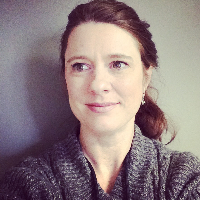
Jennifer Wickham
Hello! I am a Licensed Professional Counselor in Wisconsin with over 22 years’ experience providing direct care for new parents...
26 years experience Wisconsin

Deciding to seek support takes courage, and you’ve taken an important step by looking for help with trichotillomania. You’re in the right place to find a therapist who understands your experience and will support your goals.
Online therapy offers flexibility, privacy, and the convenience of meeting from home – it can make connecting with the right professional easier. Please browse the listings below to explore options and choose someone who feels like a good fit for you.
Hello! I am a Licensed Professional Counselor in Wisconsin with over 22 years’ experience providing direct care for new parents...
26 years experience Wisconsin
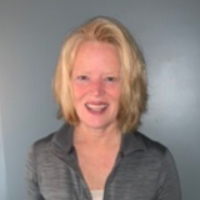
I have been called a “Soul Whisperer” by clients due to being highly intuitive, however it is more about teaching...
10 years experience Florida

Hi! My name is Jesse (She/ Her/ Hers). I am an EMDR certified counselor who specializes in trauma, in all...
8 years experience Oregon

Hello! I am a Licensed Clinical Social Worker (LCSW) working in Texas, New Mexico and Arizona with over 15 years...
13 years experience Texas

I’m a Licensed Professional Counselor who is here to support you through whatever you’re carrying right now. Whether you’re feeling...
7 years experience Mississippi

I am licensed in Tennessee with 10 years of professional work experience. I have experience in helping clients with stress,...
10 years experience Tennessee

I am licensed in Kansas with 10 years of professional work experience. I have experience in helping clients from diverse...
10 years experience Kansas

Hello. I have been a mental health counselor for 20 years; currently residing in Utah. prior to that was NY...
21 years experience Utah

I am licensed in Texas with 7 years of professional work experience. I have experience in helping clients with stress...
9 years experience Texas

Hi There, My name is Jessica Hope Murph and I am a Licensed Marriage and Family Therapist (but please call...
7 years experience Texas

Life is full of seasons, some more difficult than others. Hi I’m Jessica, a licensed clinical mental health counselor in...
11 years experience North Carolina

As a licensed therapist in Vermont, I specialize in supporting individuals navigating complex emotional landscapes. My approach centers on creating...
10 years experience Vermont

I am licensed in South Carolina with 12 years of professional work experience. I have experience in helping clients with...
15 years experience South Carolina

I am licensed in the UK with 12 years of professional work experience. I have experience in helping clients with...
12 years experience United Kingdom

I am a professionally trained integrative Counsellor and Psychotherapist passionate about the individual needs of each client. Do you ever...
5 years experience United Kingdom

Welcome to Better Help! You’ve taken the first step, and I’m sure you’re wondering how this works and whether it’s...
13 years experience Tennessee

Welcome to Better Help! You’ve taken the first step, and I’m sure you’re wondering how this works and whether it’s...
13 years experience Tennessee

I am licensed professional counselor in Texas and a LPCC in California with experience working with individuals, couples, and families,...
9 years experience Texas

I’m a therapist and clinical supervisor with 8 years experience. I work integratively which means I tailor make the model...
8 years experience United Kingdom

I am licensed in Pennsylvania and North Carolina with over 40 years of professional work experience. I have experience in...
40 years experience North Carolina

I am licensed in Louisiana with 10 years of professional work experience. I have experience in helping clients with coping...
10 years experience Louisiana

I am a person-centred therapist offering online therapy for anyone seeking a space to feel heard, understood, and supported. My...
3 years experience United Kingdom

I’m a licensed therapist in Florida with over eight years of experience helping individuals reclaim their lives and thrive. I...
8 years experience Florida

I am licensed in Texas with 10 years of professional work experience. I am experienced working in a variety of...
14 years experience Texas

Aloha, I’m Jonnet pronounced Jonay, a Licensed Marriage and Family Therapist on Oahu with 20 years of professional work experience....
20 years experience Hawaii

I am a registered psychologist in Australia with 5 years of professional work experience. I have experience in helping people...
5 years experience Australia

I have experience with adults and young people. I have helped people deal with stress, anxiety, motivation, and depression as...
15 years experience Colorado

I am licensed in Illinois with 3 years of professional work experience. I have experience in helping clients with stress,...
3 years experience Illinois

You are here because you matter. Thank you for taking the time to stop by. In a world full of...
5 years experience North Carolina
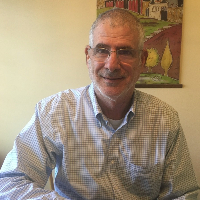
I have been working as a mental health professional for 14 years. My approach is solution focused. I am not...
17 years experience California
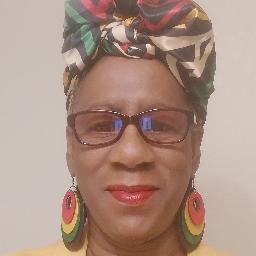
I have been a Licensed Professional Counselor for 7 years. Since graduating with a Master of Science in Rehabilitation Counseling,...
7 years experience Oklahoma
I am a Licensed Independent Clinical Social Worker licensed in Massachusetts with 17 years of professional work experience. I have...
17 years experience Massachusetts

My ideal client includes working with men, women, children, adolescents and families. I address a variety of issues including, life...
16 years experience Texas

I am licensed in Georgia, USA with more than 20 years of professional work experience. I have experience in helping...
20 years experience Georgia
I am a licensed clinical social worker with over 20 years of experience working as a therapist. I have worked...
20 years experience Delaware

Hi there, Julie here. I look forward to meeting you soon. I have 15 years of experience working within the...
15 years experience Australia

Hello, I'm a licensed counselor in Kentucky with nine years of counseling experience. I completed my undergraduate degree with the...
8 years experience Kentucky

I am licensed in the UK with 4 years of professional work experience. I have experience in helping clients with...
4 years experience United Kingdom

As a licensed therapist in Ohio with nearly three decades of clinical experience, I specialize in supporting individuals navigating complex...
28 years experience Ohio

Hi! My name is June. As you can see, I’m an older person. I’d like you to consider using me...
25 years experience Arizona
Trichotillomania, often called hair-pulling disorder, is a body-focused repetitive behavior (BFRB) that can cause distress, shame, and real impacts on daily life. If you or someone you care about is dealing with hair pulling, therapy can provide understanding, practical skills, and a compassionate space to reduce urges and improve quality of life. This page explains what trichotillomania involves, common concerns people have, how online therapy can help, and how to find a therapist who fits your needs.
Trichotillomania involves repeated pulling out of hair from the scalp, eyebrows, eyelashes, or other areas. Pulling may be triggered by feelings like anxiety, boredom, or tension, or it may feel automatic and outside conscious control. People experience different patterns: some pull for a short time during specific situations, others have longer episodes, and many experience cycles of pulling and attempts to stop.
Trichotillomania is one of several body-focused repetitive behaviors, which also include skin-picking (excoriation) and nail-biting. It can affect self-esteem, relationships, work or school functioning, and day-to-day routines. Some people hide their hair loss or avoid social situations because of embarrassment. Others may be worried about the physical effects, such as skin irritation or damage to hair follicles.
People seeking help for trichotillomania commonly mention several overlapping concerns. They want practical ways to reduce pulling urges and to change patterns that feel automatic. They may want support coping with shame, anxiety, or depression that can accompany the behavior. Some are looking for guidance on managing visible hair loss, cosmetic options, or medical referrals.
Family members and partners often want to learn how to be supportive without increasing shame or pressure. Teens and young adults may need help balancing school, social life, and treatment. Parents sometimes seek therapy resources to help children who pull their hair, and older adults may want discreet, flexible care that fits their schedules.
Online therapy makes evidence-based approaches to trichotillomania more accessible by connecting you with clinicians who specialize in body-focused repetitive behaviors, regardless of where you live. Therapists trained in Habit Reversal Training (HRT), cognitive-behavioral therapy (CBT), acceptance and commitment therapy (ACT), or dialectical behavior therapy (DBT) can deliver those methods effectively via video, phone, and secure messaging.
In online sessions, a therapist can guide you through awareness training to identify triggers and warning signs. They can teach competing response techniques and help you practice them in real time. Therapists can also support exposure strategies, distress-tolerance skills, and strategies for managing urges between sessions, using homework assignments and regular check-ins.
Online therapy offers several advantages for people with trichotillomania. It increases access to specialists who understand BFRBs, which can be especially important in areas where local providers lack that training. Telehealth can also reduce barriers like transportation, time off work, and childcare needs.
Privacy and comfort are important for many people dealing with hair-pulling. Meeting from your own space can feel less intimidating and make it easier to be open about sensitive behaviors. Online therapy also allows for more flexible scheduling, including evening or weekend sessions, and easier continuity during travel or relocation.
That said, some people prefer the in-person connection and may choose a local clinician when available. Online therapy is not meant to replace all forms of care; in some cases clinicians coordinate with dermatologists, primary care providers, or in-person specialists as needed.
Your first online session typically involves an intake assessment where the therapist asks about your pulling patterns, triggers, history, and current stressors. Expect a collaborative conversation about goals and a treatment plan tailored to your needs. This may include psychoeducation about BFRBs, HRT components, cognitive strategies, and relapse-prevention planning.
Therapists usually assign between-session practice to build skills. That might include keeping a pull log to increase awareness, practicing competing responses during urges, or using relaxation and grounding techniques. You and your therapist will track progress and adjust strategies over time.
Therapists working online may use screen-sharing for worksheets, send resources through secure portals, or provide brief messaging support for accountability. If a medical concern arises, the therapist can suggest referrals to a dermatologist or primary care provider.
When searching a directory for a therapist, look for clinicians who list trichotillomania, BFRBs, or Habit Reversal Training among their specialties. Ask about their training and experience with HRT and other relevant approaches such as CBT, ACT, or DBT. A therapist who has worked with people in similar age groups or cultural backgrounds can make sessions feel more comfortable and relevant.
Consider practical factors like availability, session format (video, phone, messaging), fees, and whether they accept your insurance or offer sliding-scale rates. Many therapists offer a brief consultation call—use that to ask how they approach BFRBs, what a typical course of therapy looks like, and how they measure progress.
Trust and rapport matter. Choose someone who listens without judgment and who collaborates on realistic, measurable goals. If a therapist’s style doesn’t feel like a fit, it’s okay to try another clinician; finding the right match can make a big difference in progress.
Reaching out for help is a meaningful step. You don’t need to have everything figured out—the first session is about understanding your experience and exploring options. Prepare a short list of patterns you’ve noticed, any triggers, and what you hope to change. That makes it easier to get started and helps a therapist recommend practical next steps.
If you’re concerned about privacy or stigma, online therapy can offer a discreet way to get expert support. Use a trusted directory to compare therapists who specialize in trichotillomania, read profiles, and schedule consultations. If you ever feel in immediate danger or have thoughts of harming yourself, contact local emergency services right away.
Seeking help for trichotillomania is a sign of strength and self-respect. With the right therapist and a supportive approach, many people learn tools to reduce pulling, manage urges, and rebuild confidence. Finding the right online clinician can be the first step toward greater control and relief.