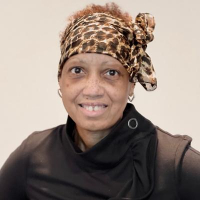
Dr. Cheri Anderson
My name is Dr. Cheri Anderson and I am a Licensed Professional Counselor in Michigan with over 20 years of...
28 years experience Michigan

You’ve taken an important step by seeking support; finding help for prejudice and discrimination can feel heavy, and you are in the right place to connect with caring therapists who respect your experience.
Online therapy offers flexibility, privacy, and convenience to fit sessions into your life – you can explore professionals from home and choose someone who feels like a good fit. Browse the listings below to find options and take the next step toward support.
My name is Dr. Cheri Anderson and I am a Licensed Professional Counselor in Michigan with over 20 years of...
28 years experience Michigan
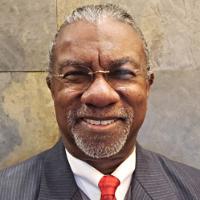
I have counseling work experience in residential, community agency, university counseling centers and private practice settings. I have experience with...
48 years experience North Carolina
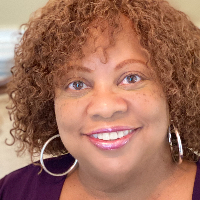
I hold a Doctorate Degree in Counseling Studies and I am a Licensed Professional Counselor practicing in South Carolina and...
35 years experience Georgia
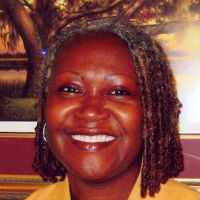
I am versed in the management of women’s issues, specifically women of color. I served this population for more than...
25 years experience South Carolina

Great to Meet You, I am licensed in Michigan and the U.S. Virgin Islands with over 25 years of professional...
25 years experience Michigan

I am a Licensed Independent Clinical Social Worker and a Licensed Addiction and Drug Counselor. I have worked with individuals...
10 years experience Minnesota

I am licensed in Michigan with 17 years of professional work experience. I have experience in helping clients with stress,...
17 years experience Michigan

Hello. My name is Jess. I am licensed in the UK with 3 years of professional work experience. I have...
3 years experience United Kingdom

About me. I’ve had a life full of international travel. Spent a lot of time as an expat in an...
3 years experience United Kingdom
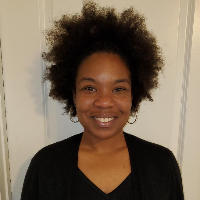
Welcome! I am a Doctor of Social Work and a Licensed Clinical Social Worker in North Carolina. I started my...
15 years experience North Carolina

I am Dr. Lawanda Hall, a Licensed Professional Counselor with over 20 years of experience working with people experiencing difficulty...
21 years experience Tennessee
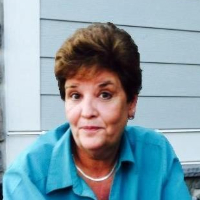
As a compassionate therapist with extensive experience, I specialize in supporting individuals through complex life challenges. My practice focuses on...
25 years experience Pennsylvania

Hi, there! I go by “M.A.,” though I have other nicknames, too. I’m a licensed family therapist and a licensed...
32 years experience Florida

I am licensed in the UK with 20 years of professional work experience. I have experience in helping clients with...
20 years experience United Kingdom

I am a HCPC-registered Practitioner Psychologist based in the UK, with over 11 years of professional experience in both the...
12 years experience United Kingdom

My name is Robin I completed my Doctorate in Clinical Psychology at California Southern University, Master’s degree from Webster University...
7 years experience Florida

My name is Robin I completed my Doctorate in Clinical Psychology at California Southern University, Master’s degree from Webster University...
7 years experience Florida

I am an experienced therapist who has been counselling clients for over 20 years. I initially trained as a social...
40 years experience United Kingdom

My name is Dr. Sharon Belhamel and I am a Licensed Marriage and Family Therapist (LMFT) and a naturopath. I...
20 years experience Georgia

As a licensed therapist in Missouri, I bring over two decades of experience supporting individuals through complex emotional issues. My...
24 years experience Kansas

I am accredited Mental Health Social Worker in Australia with 16 years of professional work experience. I have experience in...
20 years experience Australia

Hello, Welcome to my profile I am a qualified therapist with a very diverse background that can support every individual...
16 years experience United Kingdom

Greetings! I have a keen interest in supporting the healing process with mindfulness techniques and I also employ Cognitive Behavioural...
6 years experience United Kingdom

I am licensed in London with 4 years of professional work experience. I have experience in helping clients with stress,...
4 years experience United Kingdom

I am a credentialed therapist in the UK and a Registered Member of the BACP (MBACP ), with over 10...
10 years experience United Kingdom

I am a psychodynamic psychotherapist and a member of the British Association for Counselling and Psychotherapy, based in London. I...
3 years experience United Kingdom

I am UK based qualified counsellor with 3 years of professional work experience. I have experience in helping clients with...
3 years experience United Kingdom

I am a female Licensed Certified Social Worker in Arkansas with 44 years of experience. I am also a Reiki...
44 years experience Arkansas

My name is Elaine and I am a Humanistic Integrative Counsellor who draws from a range of counselling techniques and...
7 years experience United Kingdom

I am an experienced counsellor and transpersonal art therapist, offering a safe, confidential and non-judgmental space to support you in...
40 years experience United Kingdom

I am credentialed in the UK with 4 years of professional work experience. I have experience in helping clients with...
4 years experience United Kingdom

How can I help you? By listening and hearing what you say, by not judging, being open minded and gently...
6 years experience United Kingdom

I am Licensed Mental Health Counselor in Florida with 32 years of professional work experience. I’m also a certified addiction...
32 years experience Florida
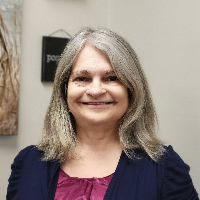
I appreciate the courage and strength it takes to enter into a counseling relationship and the anxiety that may accompany...
38 years experience Illinois

My name is Elizabeth, a qualified relational/integrative therapist, experienced in delivering face to face and online therapy to young people...
6 years experience United Kingdom

I’m a person-centred counsellor offering confidential one-to-one sessions, where you can talk openly and be truly heard. Over the years,...
4 years experience United Kingdom

I’m a qualified Person-Centred Psychotherapist and Hypnotherapist based in the United Kingdom, with over 5 years of professional experience supporting...
5 years experience United Kingdom

I am credentialed in the United Kingdom with 3 years of professional work experience. I have experience in helping clients...
3 years experience United Kingdom

My name is Emma, I am a registered psychotherapist in the UK. I have worked in mental health for six...
5 years experience United Kingdom

To begin, what distinguishes me from other counselling services is that I have a pleasant aura that I bring into...
4 years experience United Kingdom
Facing prejudice and discrimination can leave deep emotional wounds. Whether you have experienced racism, sexism, homophobia, ableism, xenophobia, ageism, or other forms of bias, therapy can be a place to process what happened, rebuild a sense of safety, and develop coping and healing strategies. If you are looking for a therapist who understands identity-based stress and systemic injustice, online therapy can make it easier to find a practitioner with the right experience and cultural awareness.
Prejudice refers to attitudes or beliefs about a group that are often based on stereotypes or assumptions. Discrimination is the behavior that can follow those attitudes – actions that treat people unfairly because of their identity. Both can be overt, like harassment or denial of opportunities, and subtle, like microaggressions, exclusion, or invalidation.
Experiences of prejudice and discrimination can affect mental health in many ways. People often report anger, grief, anxiety, hypervigilance, low self-worth, isolation, difficulty trusting others, or symptoms consistent with trauma. These reactions are understandable responses to injustice, and therapy can help people make sense of these responses and develop resilient ways of coping.
People seek therapy for discrimination-related issues for many reasons. Some want support after a specific incident – such as workplace discrimination, harassment, or a hate-motivated event. Others are dealing with chronic, cumulative stress from repeated microaggressions or systemic barriers.
Common needs include emotional validation, restoring a sense of safety, processing anger and grief, managing anxiety or sleep problems, addressing identity-related shame or internalized bias, building communication and boundary-setting skills, navigating disclosure at work or school, and recovering from trauma when an episode of discrimination is severe.
Therapy focused on prejudice and discrimination often includes cultural humility, attention to systemic factors, and strategies for empowerment. Many clients also look for therapists who share their identities or who have strong experience working with particular communities.
Online therapy expands access to therapists who specialize in discrimination-related concerns, including clinicians with cultural competence or lived experience in particular communities. If you live in an area with limited specialized care, teletherapy lets you connect with providers who understand your background and the issues you face.
Virtual sessions can also feel safer for some people. You can meet with a therapist from a familiar environment, reduce the stress of commuting, and more easily maintain privacy. For clients who have mobility challenges, chronic illness, or anxiety about attending in-person appointments, online therapy can remove practical barriers to consistent care.
Online therapy offers several advantages while preserving many of the benefits of face-to-face work. It can increase choice by connecting you with a wider pool of therapists who have specific multicultural training or anti-oppression expertise. Scheduling is often more flexible, which helps people fit therapy into busy or unpredictable lives.
Teletherapy can also make it easier to maintain continuity if you move or travel, and it may reduce costs related to time off work or transportation. Many clients find it easier to open up from a safe, private space at home. While in-person therapy has benefits like nonverbal cues and local availability, online sessions are a strong, effective option for people seeking culturally informed care.
The first session usually involves an intake conversation where the therapist asks about your experiences, current concerns, goals, and safety. Expect to talk about the types of prejudice or discrimination you’ve faced, how those experiences affect your daily life, and what you hope to change through therapy.
Therapists may use different approaches depending on your needs. Some clinicians apply trauma-informed techniques to address acute harm, while others use cognitive-behavioral strategies to manage anxiety and depressive symptoms. Narrative and culturally adapted therapies can help you reclaim your personal story and identity. A good therapist will collaborate with you to design interventions that respect your cultural values and lived experience.
Practical elements of online therapy include agreeing on confidentiality and limits to confidentiality, establishing what to do in a crisis, and setting up a reliable video or phone connection. Therapists should share their policies about session length, cancellations, and fees up front.
When searching for a therapist, look for clinicians who list cultural competence, anti-oppression work, or experience with specific forms of discrimination as part of their specialties. Read profiles or intake questionnaires carefully to find someone who mentions trauma-informed care, intersectionality, or work with your particular community.
You might prioritize a therapist who shares your identity, language, or cultural background, or you might prefer someone with specialized training in allyship and advocacy. Ask potential therapists about their experience with microaggressions, institutional bias, and the emotional impacts of discrimination. Inquire how they incorporate systemic context into treatment and how they handle discussions of social justice.
Practical considerations include licensing that covers your location, fee range or insurance acceptance, availability, and whether they provide secure telehealth platforms. Many therapists offer a brief consultation call – use that time to assess rapport, values alignment, and whether their approach feels safe and respectful to you.
It can feel daunting to reach out for help, especially when your trust has been damaged by prejudice or discrimination. Taking the first step does not commit you to a long-term plan – it simply opens the door to support, validation, and practical strategies for coping.
Start by listing what you want from therapy: emotional support, tools for managing stress, strategies for workplace situations, or help processing trauma. When contacting a therapist, mention that you are seeking someone experienced with discrimination-related issues and ask a few questions about their approach and experience.
If you are in immediate danger or having thoughts of harming yourself, contact local emergency services or a crisis line right away, as online therapy is not a substitute for emergency care. Otherwise, finding a therapist who understands the realities of prejudice and discrimination can be a meaningful step toward healing, empowerment, and renewed well-being.
Finding the right therapist can take time, but many people find that the connection and understanding they gain make the effort worthwhile. You deserve care that acknowledges both your personal experience and the larger social forces at play.