
Laura Disley
I am licensed in the UK with 8 years of professional work experience. I have experience in helping clients with...
10 years experience United Kingdom

LGBT-focused therapy supports people exploring gender and sexual identity, relationships, coming out, and coping with minority stress. An affirming therapist offers a safe space to process experiences and build resilience.
Online therapy can make accessing LGBT-affirming care easier – offering convenience, privacy, flexible scheduling, and access to culturally competent clinicians across distances. If you’re seeking support, consider reaching out; therapy can help you explore identity, improve relationships, and find coping strategies in a supportive, nonjudgmental environment.
I am licensed in the UK with 8 years of professional work experience. I have experience in helping clients with...
10 years experience United Kingdom

Hi! I’m glad you are thinking of working with me so let me tell you a bit about myself. I...
30 years experience California

I am licensed in the UK with over 8 years of qualified professional work experience as a therapist. I have...
8 years experience United Kingdom
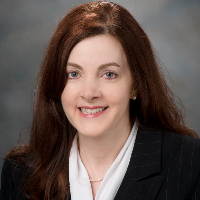
Hello! Now pause a moment. Thank yourself for taking this step toward a deeper connection with self and others too,...
23 years experience Texas

Hello, and thank you for visiting my profile. I’m a qualified Counsellor and Psychotherapist, registered with the BACP, and I...
5 years experience United Kingdom

I am licensed in Michigan with 19 years of professional work experience. I have experience in helping clients with stress...
19 years experience Michigan

Hello! My name is Laura and I am a Licensed Professional Counselor in the state of Arkansas. I have been...
11 years experience Arkansas

I am licensed in Kentucky with 20 years of professional work experience. I have experience in helping clients with stress...
20 years experience Kentucky

I am a registered therapist and licensed mental health counselor in the state of Washington with 6 years experience, as...
6 years experience Washington

I am Licensed Clinical Social Worker and clinical supervisor with 17 years experience in community mental health settings. I have...
17 years experience Illinois
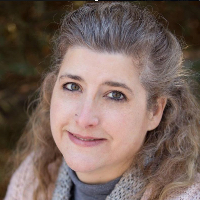
Hello! Thank you for taking the time to review my profile. I also applaud you on taking your first step...
5 years experience Wisconsin

I am licensed in Mississippi with 26 years of professional work experience. I have experience in helping clients with stress...
26 years experience Mississippi

Whether it’s anxiety, depression, or life changes, we as humans tend to think we’re “okay” as long as we get...
6 years experience Texas

Hello and welcome to my profile! My primary goal as a therapist is to provide a client-centered, non-judgmental, caring, supportive,...
30 years experience California

Hello! My name is Laura Lininger, LCSW. I attended Indiana University and got my BA in Psychology and then moved...
31 years experience Indiana

I am licensed in Illinois with over 15 years of professional work experience. I have experience in helping clients with...
15 years experience Illinois

Hi, My name is Laura Marshall. I am a licensed clinical social worker (LCSW) with 17 years experience providing therapy...
15 years experience Florida

I am licensed in North Carolina with 25 years of professional work experience. I have experience in helping clients with...
25 years experience North Carolina

I am licensed in North Carolina with 25 years of professional work experience. I have experience in helping clients with...
25 years experience North Carolina

I knew from a young age that I wanted to be in a profession where I could help others. I...
22 years experience Florida

Deciding to reach out for support can feel daunting, but my primary goal is to guide you through every step...
7 years experience North Carolina

I am a professional counselor licensed in New Jersey with over 10 years of experience working as a Counselor helping...
20 years experience New Jersey

I am licensed in California with 12 years of professional work experience. I have experience in helping clients with stress...
13 years experience California

I am a Licensed Mental Health Counselor in Washington State with my Master’s in Mental Health Counseling and Addiction. My...
9 years experience Washington
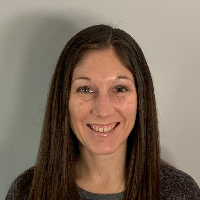
I am a Licensed Clinical Social Worker who has been working in the field for over 10 years. I graduated...
14 years experience New York

I am licensed in Illinois with 22 years of professional work experience. I have experience in helping clients with stress...
22 years experience Illinois

My name is Laura Salazar, and I am a Licensed Clinical Professional Counselor for Illinois and Texas with over nine...
9 years experience Illinois

It is my sincere hope to bring genuine healing and wholeness to individuals, marriages and families. What is perhaps unique...
5 years experience Colorado

I am licensed in Texas with 5 years of professional work experience. I have experience in helping clients with stress...
5 years experience Texas

I am licensed in New York with 5 years of professional work experience. I have experience in helping clients with...
5 years experience New York
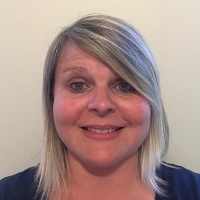
I am a licensed therapist (LPC) for the state of North Carolina, and have over five years of experience working...
8 years experience North Carolina

I am credentialed in the United Kingdom with 5 years of professional work experience. I have experience in helping clients...
5 years experience United Kingdom

My name is Laura and I am qualified counsellor and children’s counsellor working in a person centred way which means...
3 years experience United Kingdom

Finding the right therapist to meet your needs that provides a comfortable and safe space is crucial to creating a...
7 years experience Tennessee

.Hi! My name is Laura White. I am a Licensed Clinical Social Worker in New York. I have been active...
40 years experience New York

Laura offers an open and supportive space for you to bring all parts of yourself to. You will be met...
4 years experience United Kingdom

As a licensed therapist in Pennsylvania, I specialize in supporting individuals navigating complex emotional landscapes. My approach centers on understanding...
7 years experience Pennsylvania

I think that each of us at one time or another struggles with self worth, coping with crisis, interpersonal conflicts,...
21 years experience California

I am licensed in Delaware with 10 years of professional work experience. I have experience in helping clients with stress...
11 years experience Delaware

Love, health, wellness, balance, rest, relaxation, authenticity, family, security, fulfillment, contentment, abundance, satisfaction, confidence, resilience, nutrition, fitness. These are words...
10 years experience Florida
LGBT stands for lesbian, gay, bisexual, and transgender. The term is often used broadly to include people with diverse sexual orientations and gender identities, including queer, questioning, intersex, asexual, nonbinary, and other identities. Each person’s experience is unique – identity, culture, family background, and life stage all shape how someone experiences their sexuality and gender.
Many people seek support to explore identity, cope with stigma or discrimination, navigate relationships, manage family dynamics, or address mental health concerns. Online therapy – sometimes called teletherapy or virtual therapy – offers a flexible way to connect with clinicians who specialize in LGBT-affirming care.
People seeking help around LGBT-related issues often describe a mix of emotional, social, and practical concerns. Some common signs that professional support could be helpful include:
These experiences are common and valid. Therapy can offer a confidential space to process them and learn coping strategies – although outcomes vary by person and are not guaranteed.
Online therapy can be particularly helpful for LGBT individuals for several reasons. It increases access to therapists who explicitly identify as LGBT-affirming or who specialize in queer and trans care. That increased choice matters when finding a clinician who understands your lived experience and respects your pronouns and identity.
Virtual sessions can support a range of goals – exploring identity, processing coming out, coping with minority stress, working on relationship skills, managing anxiety or depression, and planning for transition-related steps. Common therapeutic approaches used in online settings include affirmative therapy, trauma-informed care, cognitive-behavioral strategies, and family systems work.
Because online therapy removes geographic limits, you can search for clinicians with specific expertise – for example, adolescent queer therapy, trans-affirming care, or couples counseling for same-sex partners. This targeted matching often leads to a better therapeutic fit.
Both online and in-person therapy have value. Here are some advantages of online therapy for LGBT clients:
In-person therapy may offer benefits like in-person rapport and nonverbal cues. However, for many LGBT people – especially those in rural areas, those with limited local options, or those prioritizing anonymity – online therapy offers key advantages that make seeking care more feasible and comfortable.
Initial sessions usually begin with intake questions about your background, reasons for seeking help, and goals. Your therapist will discuss confidentiality, session format, scheduling, and fees. Expect conversations about pronouns, identity language, support systems, and immediate concerns.
Formats vary – live video is common because it preserves face-to-face interaction, but some people prefer phone sessions or in-app messaging for parts of therapy. Therapists often assign practice exercises or communication tasks between sessions, and may provide resources for coming out, legal name or gender marker changes, or community support.
Technology checks – like testing your camera and microphone – are a normal part of the first appointment. Therapists should also clarify what to do in emergencies and whether they have local referral options if you need in-person services.
As a directory, we list therapists so you can find a clinician who fits your needs. We do not provide therapy ourselves. When searching, consider these factors:
Helpful questions to ask a prospective therapist include: How do you approach LGBT-affirming care? What experience do you have with gender transition support? How do you handle confidentiality and safety in teletherapy? Avoid therapists who suggest conversion practices or who pathologize identity.
Taking the first step toward therapy can feel intimidating. Here are practical tips to get started:
Reaching out for support is a strong and courageous step. If you need immediate help or are in danger, contact local emergency services or crisis resources. Otherwise, use the directory tools to search for an LGBT-affirming online therapist, schedule a consultation, and take it one step at a time.
If you have questions about using this directory or how to find LGBT-friendly teletherapy options, our resources can guide you to clinicians who prioritize respect, confidentiality, and affirmative care.