Tekisha Norwood
I am licensed in Georgia with 14 years of professional work experience. I have experience in helping clients with motivation,...
14 years experience Georgia

Deciding to seek support takes courage, and you’re in the right place to connect with disaster relief therapy professionals who understand crisis recovery and the emotional impact of large-scale events.
Online sessions offer flexibility, privacy, and convenience – making it easier to fit care into your life. Browse the therapists listed below to explore options and find someone you feel comfortable with.
I am licensed in Georgia with 14 years of professional work experience. I have experience in helping clients with motivation,...
14 years experience Georgia
Hello, my name is Teral. I am a licensed mental health counselor with 12 years of experience helping people through...
12 years experience Florida

I am licensed in Pennsylvania with 40 years of professional work experience. I have experience in helping clients with stress,...
48 years experience Pennsylvania

I am licensed in Michigan with 29 years of professional work experience. I have experience in helping clients with stress...
29 years experience Michigan

I am licensed in Michigan with 10 years of professional work experience. I have experience in helping clients with stress...
10 years experience Michigan
Welcome! I know it’s not always easy making the first call to reach out for help, but I’m so glad...
30 years experience New York

I am licensed in Florida with 10 years of professional work experience. I have experience in helping clients with stress...
10 years experience Florida

Hello, I’m Teresa — a Person-Centred counsellor and Mindfulness teacher based in the UK, with several years of experience supporting...
3 years experience United Kingdom
I am licensed in the state of Florida and Illinois as a Licensed Mental Health Counselor, LMHC and a Licensed...
19 years experience Florida
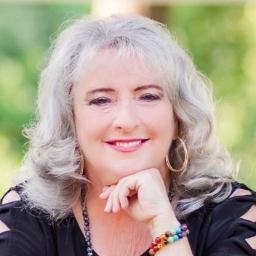
I am licensed in South Carolina with 15 years of professional work experience. I have experience in helping clients with...
15 years experience South Carolina

I believe our choices are deeply influenced by the information we have at any given moment. This “information” is derived...
8 years experience Colorado

My name is Terri Graves, I am a Licensed Mental Health Counselor. I have nearly 23 years of experience working...
23 years experience North Carolina
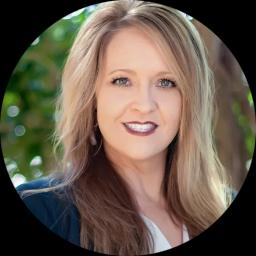
Terri Talley, LPC, LPCS, LCMHC, CT, CMCC Terri earned degrees in forensic psychology and clinical mental health counseling before pursuing...
10 years experience North Carolina

✨ Your well-being matters. Let’s create the life you deserve. ✨ Are you feeling overwhelmed, stuck, or like life’s challenges...
11 years experience Florida
Hello and welcome! I am a marriage and family therapist licensed in Missouri and Nevada with 25+ years of experience...
25 years experience Missouri

I am licensed in Texas with 8 years of professional work experience. I have experience in helping clients with stress,...
8 years experience Texas

Have you ever wondered, “What is wrong with me?” If your mirror can talk back to you, what would it...
17 years experience Texas

I am licensed in the UK with 7 years of professional work experience. I have experience in helping clients with...
7 years experience United Kingdom
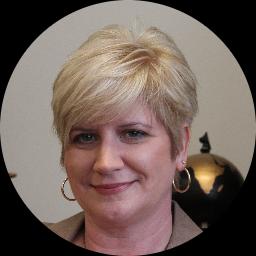
I am licensed in Kentucky with 25 years of professional work experience. I have experience in helping clients with stress...
25 years experience Kentucky

I am licensed in Florida with 23 years of counseling experience. I served in the U. S. Navy and U....
23 years experience Florida

I am licensed in Florida with 23 years of counseling experience. I served in the U. S. Navy and U....
23 years experience Florida
Hello and thanks for checking my profile! About me...well, like you its easy for me to tell you the basic’s;...
10 years experience Pennsylvania

I am a Pennsylvania Licensed Psychologist. Over the past 25 years, I have provided mental health services and support to...
26 years experience Pennsylvania
I am a clinically licensed social worker with more than 12 years of experience delivering psychotherapy and supportive counseling to...
12 years experience Texas

I am a licensed mental health professional in Michigan and Ohio with a decade of experience supporting clients through a...
10 years experience Michigan

My name is Thom Wilder, a Licensed Professional Counselor (LPC) in Texas with training and experience in helping clients identify...
30 years experience Texas

I am licensed in Delaware with 7 years of professional work experience. I have experience in helping clients with relationship...
9 years experience Delaware

It takes courage to seek for a more fulfilling and happier life and to take the first steps towards a...
9 years experience Arizona

As a licensed therapist in Illinois, I specialize in supporting individuals navigating complex emotional landscapes. My practice focuses on addressing...
3 years experience Illinois

Greetings, I am a licensed clinical Social Worker with over 14 years of experience working with adults, families, and couples....
15 years experience Michigan

Reaching out takes guts. Most people sit with their struggles far longer than they need to, so you’re already moving...
11 years experience United Kingdom
I am licensed in Texas with 20 years of professional work experience. I have experience in helping clients with stress...
30 years experience Texas
My name is Thomas Smith and I graduated with my MSW from Marywood University in 2001. I use a variety...
3 years experience Pennsylvania

I offer a holistic approach to mental health therapy and healing, combining evidence-based practices with holistic healing techniques and guidance...
5 years experience Australia
Hello! If you are exploring Better Help, it is likely you are going through something really challenging and I am...
8 years experience Indiana

I am licensed in Pennsylvania with 17 years of professional work experience. I have experience in helping clients struggling emotionally...
17 years experience Pennsylvania
I am a Marriage and Family Therapist licensed in North Carolina with 18 years of experience working in a variety...
18 years experience North Carolina
Tiffany D. Bridgers completed her education, in Master’s of Clinical and Mental Health Counseling, at Lubbock Christian University. Tiffany has...
3 years experience Texas

I am licensed in Washington with 3 years of professional work experience. I have experience in helping clients with stress,...
3 years experience Washington
It is my goal to assist my clients with bridging the gap from where they are emotionally, cognitively, physically, and...
20 years experience North Carolina
If you or someone you love has been affected by a natural disaster, mass violence, evacuation, or large-scale crisis, connecting with a therapist who understands disaster-related stress can help. Disaster relief therapy focuses on the emotional, psychological, and practical needs that arise during and after emergencies. This kind of support aims to reduce immediate distress, build coping skills for ongoing recovery, and connect people with safety and community resources.
Disaster relief therapy is an approach to mental health care that addresses the effects of sudden traumatic events and widespread crises. Therapists working in this area often provide short-term stabilization after an event, and longer-term therapy when symptoms persist. Interventions commonly used include psychological first aid, trauma-informed care, grief counseling, and evidence-based trauma therapies when appropriate.
Care may also involve helping with practical issues that increase stress after a disaster, such as navigating housing instability, managing insurance or aid applications, and coordinating with community resources. Culturally sensitive and community-centered approaches are important, because disasters affect whole communities and recovery often depends on social supports and practical assistance as much as on emotional healing.
People seek disaster-related therapy for many reasons. Immediate reactions can include shock, numbness, intense anxiety, trouble sleeping, or physical symptoms like fatigue and headaches. Some people experience intrusive memories, nightmares, or heightened startle responses. Others may feel overwhelming grief after losing loved ones, homes, or livelihoods.
Practical worries often compound emotional distress. Displacement, financial strain, disrupted routines, and broken support systems can make it hard to cope. For some, pre-existing mental health conditions get worse after a disaster. Children, older adults, first responders, and people with disabilities may have unique needs and may require tailored support.
Therapy can help with immediate stabilization and with rebuilding a sense of safety and control. It can also support people in processing loss, developing coping strategies, re-establishing routines, and connecting with additional community resources.
Online therapy can be especially useful following disasters. When transportation is difficult, local clinics are overwhelmed, or people are temporarily relocated, teletherapy provides continuity of care. Video and phone sessions allow clients to meet with clinicians who have specific training in disaster mental health even if those clinicians are located in a different city or state.
Remote therapy can also reduce barriers such as childcare needs, mobility limitations, or stigma about seeking help in a small community. For geographically dispersed families and communities, online group or family sessions can help rebuild social connection and foster communal healing. Additionally, accessing a therapist experienced in disaster response online makes it easier to find a clinician who understands the particular context of the event and the cultural needs of the community affected.
Online therapy offers increased accessibility. When local resources are limited or clinics are physically damaged, telehealth allows people to access licensed professionals quickly. Flexible scheduling and shorter wait times are common advantages, helping people get support when it matters most.
Teletherapy often provides greater privacy and convenience. Sessions can be attended from a temporary shelter, a private room in a hotel, or another safe space without the need to travel. For people who move between locations during recovery, online therapy can preserve continuity with the same clinician, avoiding disruptions that can occur with in-person care tied to a specific region.
That said, in-person therapy still has important benefits, such as face-to-face presence and the ability to connect clients directly with nearby social services. Online therapy and in-person care can complement each other rather than replace one another, and some clients choose a combination depending on their needs and circumstances.
Your first online session will typically involve a brief intake to understand your current situation, immediate safety needs, and the most pressing concerns. The therapist may assess for risk factors such as ongoing danger, suicidal thinking, or severe substance use and will develop a plan to address immediate safety if needed.
Initial sessions often focus on stabilization. This can include grounding techniques for panic or flashbacks, sleep hygiene for disrupted sleep, and strategies for managing intense emotions. Therapists commonly provide practical guidance for reducing day-to-day stress, like establishing a routine, accessing local supports, and coordinating needed services.
As therapy continues, clinicians may use trauma-informed therapies when symptoms persist, such as cognitive-behavioral approaches adapted for trauma. Sessions can include individual therapy, family work, or group support depending on what fits your needs. Therapists should also offer referrals to local resources when clients need legal, financial, or medical help beyond what therapy can provide.
Look for a therapist with experience in disaster mental health or trauma-informed care. Relevant credentials may include training in psychological first aid, trauma-focused cognitive behavioral therapy, or crisis counseling. Licensure in your state or country and familiarity with local systems can be important if you will need referrals to community services.
Cultural competence is key. Choose a provider who understands your community, language, cultural background, and any faith-based or communal practices that are important to you. If you have special needs—such as working with children, older adults, or first responders—seek a clinician with that experience.
Ask about logistics before you start. Confirm the therapist’s telehealth platform, privacy protections, availability, fee structure, sliding-scale options, and crisis protocols. Because a directory connects you to many providers, take time to read therapist profiles and, where possible, schedule a brief consultation to see if the fit feels right.
Reaching out after a disaster can feel overwhelming, but it is a strong and practical step toward recovery. Begin by identifying what you need most right now—safety planning, managing overwhelming emotions, support for grief, or help reconnecting with services. Use a directory to find therapists who list disaster relief, crisis response, trauma, or community recovery as specialties.
When you contact a therapist, explain your situation and ask how they support people in similar circumstances. Prepare any questions about scheduling, costs, and how they handle emergencies. If one clinician is not the right fit, keep looking; finding a therapist who feels safe and understood often makes all the difference.
Remember that healing after a disaster often happens in steps. Immediate stabilization can lead to steadier coping, and over time therapy can help you rebuild routines, relationships, and a sense of hope. Seeking help is a practical move toward safety and recovery, and there are clinicians available online who specialize in this kind of support.