
Sherell Ellis
I am licensed in Georgia with 10 years of professional work experience. I have experience in helping clients with stress...
10 years experience Georgia

Deciding to seek support is a strong step, and you’re in the right place to connect with clinicians experienced in traumatic brain injury who can walk alongside you as you work toward your goals.
Online sessions offer flexibility, privacy, and convenience – letting you access care from home or on the go. Browse the listings below to find professionals ready to support you and make reaching out easier.
I am licensed in Georgia with 10 years of professional work experience. I have experience in helping clients with stress...
10 years experience Georgia

I am licensed in New York and Vermont with 8 years of professional counseling experience. Who you are depends upon...
9 years experience New York

I am licensed in Delaware with 26 years of professional work experience. I have experience in helping clients with stress,...
26 years experience Delaware

I am licensed in California with 30 years of professional work experience. I have experience in helping clients with stress,...
30 years experience California
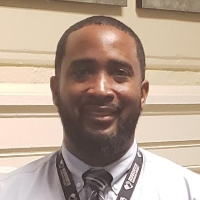
Greetings, My name is Sherron (Tony) Bostic and I’m a Licensed Clinical Social Worker with over 10 years of experience...
8 years experience Georgia

I am licensed in Texas with 20 years of professional work experience. I have experience in helping clients with stress...
20 years experience Texas

I am licensed in Texas with 27 years of professional work experience. I have experience in helping clients with stress...
27 years experience Texas

I am licensed in New York with 12 years of professional work experience. I have experience in helping adult civilian,...
12 years experience New York

I am a registered counsellor in Australia and a member of the Australian Counselling Association, with experience supporting individuals from...
10 years experience Australia

I am a State of Colorado licensed Mental Health provider and have been for nearly 30 years. I grew up...
35 years experience Colorado

I am a trauma informed, registered clinical counsellor (ACA, Australian Counselling Association) and have been in this role for more...
10 years experience Australia

I am a pluralistically trained therapist & psychotherapist which allows me to use a variety of theories and techniques to...
3 years experience United Kingdom

I am licensed in Texas with 12 years of professional work experience. I have experience in helping clients with stress...
12 years experience Texas

I am licensed in North Carolina with 9 years of professional work experience. I have experience in helping clients with...
9 years experience North Carolina

I am licensed in Massachusetts with 25 years of professional work experience. I have experience in helping clients with stress...
28 years experience Massachusetts

As a therapist, I integrate humanistic - existential , psychodynamic and cognitive behavioural therapy to intuitively create a uniquely formulated,...
9 years experience United Kingdom

Therapy tends to be considered when a person is experiencing difficulties or problems that have a significant effect on a...
5 years experience United Kingdom

I am licensed in the UK with 4 years of professional work experience. I have experience in helping clients with...
4 years experience United Kingdom

Hello there! As a registered therapist with the BACP (British Association of Counselling and Psychotherapy) and a licensed NLP Practitioner...
5 years experience United Kingdom

I am licensed in Arkansas and Texas with 20 years of professional work experience. I have experience in helping clients...
20 years experience Texas

Welcome! I am a Licensed Professional Counselor, Marriage and Family Therapist, and a Behavior Specialist. I have enjoyed over 13...
13 years experience Pennsylvania

I am a licensed independent social worker of clinical practice (LISW-CP) with extensive experience providing therapy and support to individuals,...
10 years experience South Carolina

“When life gives you lemons, make lemonade” is a metaphor used to encourage optimism and a positive can-do attitude in...
3 years experience Texas

As a licensed therapist in Texas, I bring over two decades of compassionate clinical experience supporting individuals through life’s complex...
23 years experience Texas

I specialise in Systemic Counselling and Psychotherapy - a world-wide, developed and practiced, academically grounded approach within the fields of...
10 years experience United Kingdom

I have over 25 years of experience providing psychotherapy to clients of diverse backrounds, and who have presented with a...
25 years experience New York

I am licensed in Florida with 5 years of professional work experience. I have experience in helping clients with stress,...
5 years experience Florida

Hello, I’m Stephanie! I am a Licensed Clinical Social Worker in South Florida and Infant Family Associate with over 5...
5 years experience Florida

I am an accomplished Licensed Clinical Social Worker with over 10 years of experience providing direct patient care and clinical...
10 years experience Illinois

The Short: Stephanie's passion for helping others and her lived experience led her to support individuals with substance misuse and...
3 years experience Texas

As a Licensed Professional Counselor, I have extensive experience with college-aged individuals who are working through the transition from adolescence...
10 years experience Texas

I am licensed in Florida with 10 years of professional work experience. I work with my clients to create an...
10 years experience Florida

Mental health is health. Taking care of your mental health is no different than taking care of your dental or...
14 years experience Idaho

I am licensed in Michigan with 4 years of professional work experience. I have experience in helping clients with stress,...
4 years experience Michigan

I am licensed in California with 3 years of professional work experience. I have experience in helping clients with relationship...
3 years experience California
I have extensive experience working with diverse populations including children and adults, military and civilians, individuals with special needs, patients...
14 years experience Florida

Welcome! Congrats on taking that step to begin your online therapy journey with us!! My name is Stephanie and I’m...
13 years experience Utah

I am licensed in Florida with over 10 years of professional work experience. I have experience in helping clients with...
10 years experience Florida

I am a licensed professional counselor licensed in Georgia with over 10 years of experience working as a therapist for...
12 years experience Georgia

I am licensed in Michigan with 4 years of professional work experience. My license only enables me to work with...
4 years experience Michigan
Recovering from a traumatic brain injury (TBI) often involves more than medical care. Emotional adjustment, cognitive changes, and shifts in daily functioning can all create challenges for the person who had the injury and for family members and caregivers. Online therapy can be a practical way to connect with therapists who understand TBI-related needs, provide coping strategies, and coordinate with your broader care team while offering flexibility that fits a changing recovery schedule.
Traumatic brain injury refers to an injury to the brain caused by an external force, such as a fall, car accident, sports injury, or blow to the head. Severity ranges from mild concussions to more severe injuries that require hospitalization. After a TBI, people can experience a mix of cognitive, emotional, behavioral, and physical changes that affect everyday life.
Cognitive changes may include difficulties with attention, memory, planning, problem solving, and processing speed. Emotional and mood changes can include anxiety, depression, irritability, emotional lability, and reduced frustration tolerance. Behavioral changes might involve impulsivity, apathy, or changes in motivation. Social and vocational challenges are also frequent, including relationship strain, trouble returning to work, and navigating new limitations.
Because TBI affects each person differently, therapy is often tailored to the specific pattern of challenges and strengths a person has. Many people benefit from a team approach that may include physicians, neuropsychologists, occupational therapists, speech-language pathologists, and mental health therapists.
People seek therapy after TBI for a range of reasons. Coping with grief for lost abilities and managing changing roles within the family are common needs. Adjusting to cognitive limitations and learning strategies to compensate for memory or attention issues is a frequent focus.
Caregivers and family members often need support too. Caregiver stress, burnout, and difficulties communicating with a loved one who has changed after injury are important topics in therapy. Vocational concerns, such as returning to work or finding meaningful activity, and social reintegration—rebuilding friendships and community life—are also common areas of focus.
Another frequent concern is managing secondary symptoms like sleep disruption, fatigue, and increased sensitivity to noise or light. Therapists experienced with TBI can help clients develop pacing strategies, sleep hygiene practices, and gradual activity plans that respect cognitive and sensory limits.
Online therapy offers ways to address the emotional and cognitive consequences of TBI while accommodating the practical realities of recovery. Therapists can provide targeted psychoeducation about common post-injury responses and help you develop compensatory strategies for everyday tasks, such as using external memory aids, structuring routines, and breaking down complex tasks into simpler steps.
Therapists can also teach emotion regulation and stress-management techniques tailored to someone who may process information more slowly or who tires easily. Cognitive-behavioral therapy (CBT) and acceptance-based approaches can be adapted to prioritize shorter, focused sessions and simplified materials when needed.
Family therapy and caregiver coaching are easy to arrange online, allowing loved ones to participate from home. This can improve communication, set realistic expectations, and build a shared plan for support. Online sessions also make it easier to coordinate with other providers by sharing information, treatment goals, and progress updates when appropriate.
Online therapy provides several advantages that can be particularly helpful after a TBI. One major benefit is accessibility: you can meet from home without the stress and fatigue of travel or navigating unfamiliar environments. This reduces sensory overload and conserves energy, which can be critical for people managing post-injury fatigue.
Online sessions can be scheduled more flexibly, including shorter or more frequent meetings that accommodate fluctuating attention and stamina. Remote formats also make it easier to include family members or caregivers who live elsewhere, enabling consistent support and shared learning.
Additionally, therapists who specialize in TBI are not always available locally. Online therapy lets you connect with clinicians who have the right experience, even if they are in a different city or state. While in-person care remains important for hands-on rehabilitation therapies, online mental health therapy complements those services by focusing on coping skills, emotional adjustment, and coordination of care.
Initial sessions typically involve a careful assessment of cognitive, emotional, and functional concerns, as well as your goals for therapy. Expect your therapist to ask about medical history, current symptoms, daily routines, support systems, and any challenges you or your caregivers are noticing.
Therapy may include practical strategies such as structured routines, external aids (calendars, alarms, checklists), pacing techniques, and simplified therapeutic materials. Therapists often adapt language and pace to match cognitive capacity and provide written summaries, visual aids, or recordings of key points when appropriate.
Sessions could also include family coaching, behavior planning, and problem-solving for specific situations like returning to work or school. Progress is usually gradual and measured by small, practical changes in functioning and well-being rather than quick fixes.
When searching for a therapist, look for clinicians with experience or training related to brain injury, neurorehabilitation, or cognitive-behavioral methods adapted for cognitive differences. Licensed psychologists, clinical social workers, licensed professional counselors, and neuropsychologists may all have relevant experience.
Ask potential therapists about their experience working with TBI clients, how they adapt sessions for cognitive or sensory needs, and whether they are comfortable coordinating with medical providers or rehab teams. Inquire about session length and flexibility, the types of supports they provide between sessions, and how they handle cancellations and rescheduling for days when fatigue is a concern.
Consider whether you want a therapist who offers caregiver or family sessions, and check that they can provide materials in formats that work for you—larger print, audio summaries, or step-by-step handouts. It is reasonable to ask about telehealth experience and any accommodations they use for clients with cognitive or sensory sensitivities.
Reaching out for help after a traumatic brain injury is a constructive step, even if progress feels slow. Small adjustments and steady support can make daily life more manageable and improve communication with loved ones. If you are feeling unsure, consider scheduling an initial consultation to ask questions and get a sense of the therapist’s approach and experience.
Remember that therapy is one part of a broader recovery plan and that you can look for a provider who will work alongside your medical and rehabilitation team. Finding the right match may take time, but connecting with a therapist who understands TBI can help you rebuild routines, manage emotions, and find practical coping strategies for life after injury.