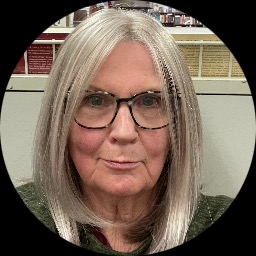
Shirley Williams
Somatic, trauma-informed therapy
Start with Shirley WilliamsLicensed · Professional · Cancel Anytime

Somatic, trauma-informed therapy
Start with Shirley WilliamsLicensed · Professional · Cancel Anytime
Shirley Williams is a Colorado-based mental health clinician with 35 years of professional experience. She holds a BA in Psychology and a Master of Social Work from Wayne State University, and she practices as a Colorado-licensed clinical social worker (CO LCSW), license number CSW.00991632.
Raised in Michigan, she completed a two-year Intensive Family Therapy program at what was then The Ann Arbor Center for the Family during the early growth of Family Systems Therapy. Over the course of her career she has pursued many advanced trainings that inform her clinical approach.
Her work history spans health care, hospice, schools, foster care and adoption services, pregnancy support programs, and services for people with disabilities and their caregivers, including those who care for animals. That variety of settings has shaped a broad, practical skill set.
In 2000 she completed a 1,000-hour Massage Therapy program at the Boulder College of Massage Therapy and went on to become nationally certified in Massage and Bodywork Therapy and licensed by the State of Colorado in that field. Maintaining dual careers in mental health and bodywork allows her to integrate a somatic perspective with a trauma-sensitive focus.
As an EMDR-trained therapist, she incorporated The Flash Technique into trauma-resolution work and has observed positive responses from clients. She also brings expressive arts into sessions, using sound therapy, dance and movement, and clay work when appropriate in both virtual and in-person sessions.
Throughout her long career, Shirley identifies curiosity and a commitment to learning as central strengths that she channels into supporting others.
Many people ask whether remote therapy can truly help. For common concerns such as stress, anxiety, depression, relationship challenges, or adjusting to life changes, online therapy has been shown to be just as effective as traditional in-person sessions.
One major advantage is flexibility - clients can connect in the way that best fits their life, choosing video calls, phone sessions, live chat, or in-app messaging. This flexibility often makes it easier to attend sessions consistently.
Licensed professionals provide online therapy, and if a different therapeutic fit is desired it is possible to switch therapists. For many people seeking support with typical mental health and relationship issues, remote therapy offers a practical, effective option.