
Soraya Hind
I am a qualified counsellor and I believe that counselling should be accessible to all. I have experience of supporting...
5 years experience United Kingdom

Trauma and Abuse can have deep, lasting effects on emotions, relationships, and daily life. Therapy in this specialty offers a safe, compassionate space to explore experiences, build coping skills, and reclaim a sense of agency.
Online therapy makes that support more accessible – offering privacy, flexible scheduling, and continuity of care from wherever you are. Working with a trained clinician, you can move at your own pace to process memories, develop coping strategies, and strengthen resilience. If you’re struggling, reaching out for support is a courageous step.
I am a qualified counsellor and I believe that counselling should be accessible to all. I have experience of supporting...
5 years experience United Kingdom

I am credentialed in the United Kingdom with 3 years of professional work experience. I have experience in helping clients...
3 years experience United Kingdom

Quote: “You must tell yourself, no matter how hard it is, or how hard it gets, I’m going -Les Brown...
24 years experience Michigan

I am licensed in New Jersey with 20 years of professional work experience within both the mental health and Addiction...
20 years experience New Jersey

I am credentialed in the UK with 3 years of professional work experience. I have experience in helping clients with...
4 years experience United Kingdom

Great to meet you! Thank you for considering me for your counseling needs. I am dedicated to providing a safe,...
16 years experience South Carolina

Hello, I am Stacey Burley, a Licensed Professional Counselor. I am eager to assist you on your social and emotional...
5 years experience Texas

I am licensed in the UK with 5 years of professional work experience. I have experience in helping clients with...
6 years experience United Kingdom

“Anyone can tell you what to do, but the true ability to grow comes from understanding who you are.” In...
14 years experience California

I can tell you about the “dry stuff” – I am Staci Allmand, a Social Worker for the past 38...
10 years experience Michigan

I am a Licensed Clinical Social Worker (LCSW) who is passionate about helping individuals navigate life's challenges and build meaningful,...
11 years experience Kentucky

I am licensed in Oregon with over 17 years of professional work experience. I have experience in helping clients with...
17 years experience Oregon

I am licensed in Texas with 12 years of professional work experience. I have experience in helping clients with stress...
16 years experience Texas

I am licensed in Iowa with over 6 years of professional work experience. I have experience in helping clients with...
7 years experience Iowa

Hello, I am Stanley Okafor BACP registered psychotherapist/counsellor and accredited member APT, with over 15 years experience at treating emotional...
15 years experience United Kingdom

Hello! My name is Star, and I began my mental health counseling career in 2016. My primary interests are working...
10 years experience Florida

I am a licensed clinical social worker with 18 years of professional work experience. I have experience helping clients with...
18 years experience Utah

I am a therapeutic counsellor credentialed in the UK, MBACP Registered Member and a member of the NCPS. I hold...
4 years experience United Kingdom

Are you struggling with things at the moment? Finding it hard to deal with a significant event? Or do you...
4 years experience United Kingdom

I am licensed in Florida with 8 years of professional work experience. I have experience in helping clients with stress,...
8 years experience Florida

I am qualified counsellor with over 3 years experience working along side clients who present with a range of presenting...
5 years experience United Kingdom

I am licensed in Texas with 24 years of professional work experience. I have experience in helping clients with stress...
24 years experience Texas

I am a BACP registered therapist in the United Kingdom with 3 years of professional work experience. I have experience...
3 years experience United Kingdom

I am registered in the United Kingdom as a person centred counsellor with 3 years of professional experience. I have...
3 years experience United Kingdom

I am licensed in United Kingdom with 3 years of professional work experience. I have experience in helping clients with...
3 years experience United Kingdom
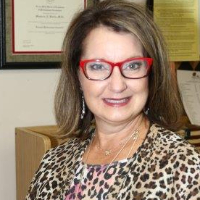
As a licensed therapist in Texas, I specialize in supporting individuals navigating complex emotional landscapes. My practice centers on helping...
4 years experience Texas

Ohio-licensed LPCC-S therapist with 35 years of clinical experience guiding adults through anxiety, depression, stress, ADHD, relationship strain, life transitions,...
36 years experience Ohio

I offer counselling to help you to process and move forward from whatever you are struggling with now. My goal...
6 years experience United Kingdom

As a licensed therapist serving clients in Texas, I specialize in supporting individuals navigating complex emotional landscapes. My practice centers...
5 years experience Texas

As a licensed therapist serving clients in South Carolina, I specialize in supporting individuals through life’s complex challenges. My practice...
4 years experience South Carolina

I'm a Licensed Professional Counselor in Pennsylvania with 12 years of experience supporting clients through life's most challenging moments. I...
12 years experience Pennsylvania

As a licensed therapist in Louisiana, I bring eight years of dedicated experience supporting individuals through life's complex emotional landscapes....
8 years experience Louisiana

Hello, I'm Stephanie Rodriguez, a Licensed Clinical Social Worker (LCSW) with over a decade of experience helping individuals navigate life's...
10 years experience Delaware

I am licensed in Florida with 6 years of professional work experience. I have experience in helping clients with stress,...
6 years experience Florida

I am licensed in Wisconsin with 14 years of professional work experience. I believe that you are the expert of...
14 years experience Wisconsin
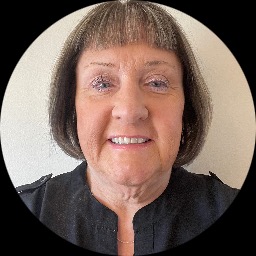
I am licensed in Minnesota with 35 years of professional work experience. I have experience in helping clients with stress...
35 years experience Minnesota

I am licensed in the UK with 3 years of professional work experience. I have experience in helping clients with...
4 years experience United Kingdom

I am licensed in Michigan with 3 years of professional work experience. I have experience in helping clients with stress...
6 years experience Michigan

Life can sometimes feel like a series of hurdles, leaving you feeling overwhelmed or stuck. Whether you’re facing work stress,...
3 years experience United Kingdom

I am licensed in Texas with eight years of professional work experience. I have experience in helping clients with trauma...
8 years experience Texas
Trauma refers to the emotional and psychological response to events that are overwhelming or threatening to a person’s safety or well-being. Abuse can take many forms – physical, emotional, sexual, financial, or neglect – and may be a single incident or a pattern that occurs over time. Both trauma and abuse can affect thinking, emotions, relationships, and daily functioning.
Online therapy for trauma and abuse is a way to receive professional mental health support remotely, using video, phone, or in-app messaging. As a directory, we connect people with therapists who specialize in trauma-informed care and who offer virtual options. While we are not a provider, the therapists listed may use approaches tailored to trauma recovery, such as cognitive behavioral therapy, trauma-focused cognitive behavioral therapy, EMDR, somatic therapies, or dialectical behavior therapy.
People who have experienced trauma or abuse may notice a range of emotional, physical, and behavioral signs. No single list covers every experience, but common indicators include:
If you or someone you care about is experiencing thoughts of self-harm or harm to others, seek immediate help from local emergency services or crisis resources. Online therapy can provide ongoing support, but it is not a substitute for emergency intervention.
Online therapy offers a flexible, accessible way to connect with a trauma-informed therapist. It can support recovery by creating a safe, consistent space to process experiences, learn coping strategies, and rebuild a sense of control. Common ways online therapy helps include:
Many people find that virtual sessions allow them to access specialized trauma therapists who may not be available locally. Online care also supports continuity of treatment during moves, travel, or scheduling challenges.
Both online and in-person therapy have strengths, but online therapy offers several advantages that can be especially helpful for people affected by trauma and abuse:
In-person therapy does provide in-person presence and nonverbal cues that some find valuable. However, for many survivors of trauma and abuse, the accessibility, flexibility, and privacy of online therapy make it a preferred option for beginning or continuing treatment.
Starting online therapy typically begins with an intake or initial assessment. This helps the therapist understand your history, current concerns, safety needs, and goals. What you can expect:
Before your first online session, you may be asked to test your camera and microphone, review consent and privacy information, and identify a private, comfortable spot for the session. If privacy is a concern, therapists can discuss options such as using headphones, chat-based sessions, or scheduling at times when privacy is more likely.
Choosing a therapist who is experienced with trauma and abuse is important. As a directory, we list therapists who offer online services and often include details about their specialties and approaches. When evaluating potential therapists, consider asking about:
Trust and rapport are essential. It’s okay to schedule a few consultations to see who feels like the right fit. A good therapist will respect your pace and collaborate with you to build safety and trust.
Reaching out for help takes courage. If you’re considering online therapy for trauma or abuse, start by reviewing therapist profiles in this directory and identifying a few who list trauma-informed care as a specialty. Prepare a brief summary of your concerns and any practical needs – such as times you can meet, language preferences, or accessibility accommodations – and use that to guide initial conversations.
Practical tips for your first online session:
Please remember that therapy is a process and progress can look different for everyone. If you or someone you know is in immediate danger, contact local emergency services right away. For ongoing support and to find a therapist who offers online trauma-informed care, browse our listings and reach out when you feel ready – taking the first step is an important move toward greater safety, understanding, and healing.