
Mark Smith
I am licensed in Florida and North Carolina with 34 years of professional clinical experience. I have extensive experience in...
34 years experience North Carolina

Deciding to seek support is a brave step, and you’re in the right place to connect with therapists focused on self-love who can support your goals.
Online sessions offer flexibility, privacy, and convenience, making it easier to fit care into your life – browse the listings below to explore professionals and find someone who feels like a good fit.
I am licensed in Florida and North Carolina with 34 years of professional clinical experience. I have extensive experience in...
34 years experience North Carolina

I am credentialed in the United Kingdom with 3 years of professional work experience. I have experience in helping clients...
3 years experience United Kingdom

I look forward to having the opportunity to work with you as we develop a counselling partnership. Our partnership will...
3 years experience United Kingdom
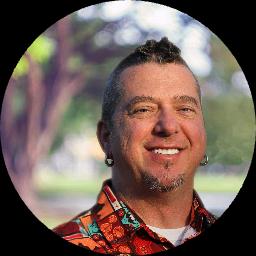
I am licensed in California with 12+ years of professional work experience. I have experience in helping clients with stress...
11 years experience California

My ideal client is someone who feels overwhelmed, stuck, or disconnected emotionally, spiritually, or relationally. You may be struggling with...
4 years experience Texas

I am licensed in Tennessee with 9 years of professional work experience. I have experience in helping clients with stress,...
9 years experience Tennessee

With over 17 years of professional work experience, licensed in Oklahoma, I bring a unique and innovative approach to counseling....
14 years experience Oklahoma

I am Markita Couch, and as a Licensed Mental Health Counselor, I work with preteens, teens, and young adults who...
4 years experience Florida

Greetings! My name is Markyse and I am a licensed clinical social worker. Seeking emotional support can be a daunting...
5 years experience Florida
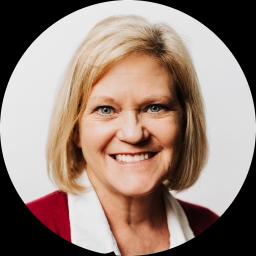
Hello - My name is Marla Anderson, and I am a Licensed Professional Counselor from Northeast Texas. I started my...
7 years experience Texas
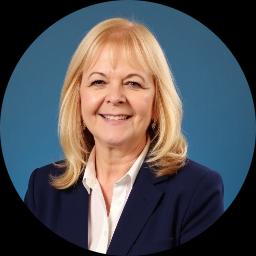
Joy has been working in the mental health field since 2005. She earned her Master of Arts in Professional Counseling...
21 years experience Arizona

As a licensed therapist in California, I bring nearly three decades of compassionate, culturally-responsive mental health experience. My practice centers...
27 years experience California

I am licensed in California, Florida, North Carolina and South Carolina with 40 years of professional work experience. I have...
40 years experience California

I am licensed in Washington with almost a decade of professional work experience. I have experience in helping clients with...
11 years experience Washington

Marla Monk, MA, MSW, LCSW, LISWCP Clinician I have over 16 years of experience in the social work and mental...
5 years experience South Carolina

Hi, my name is Marla, I am a licensed professional counselor in Oregon with 8 years of experience working as...
8 years experience Oregon

I am licensed in New Jersey with 25 years of professional work experience. I have experience in helping clients with...
25 years experience New Jersey

I am a LMHC with 10 years of experience, however I have more than 20 years- experience working as a...
10 years experience Florida

I am licensed in South Carolina with 3 years of professional work experience. I have experience in helping clients with...
5 years experience South Carolina

I am licensed in Oklahoma with 3 years of professional work experience. I believe that you are the expert of...
3 years experience Oklahoma

As a licensed therapist in California, I specialize in supporting individuals navigating complex life transitions and personal challenges. My professional...
11 years experience California

I am licensed in the UK with 14 years of professional work experience. I am experienced in helping clients with...
14 years experience United Kingdom

I am a licensed mental health counselor with 20 years experience in the field. My practice modalities include cognitive behavioral...
10 years experience New York

I am licensed in California with 10 years of professional work experience. I have experience in helping clients with stress,...
20 years experience California

I am a licensed LPC with over 4 years of professional work experience. I have helped clients with stress, anxiety,...
3 years experience West Virginia

My therapeutic styles are relaxed and conversational. I like being able to connect with my clients in a warm, empathetic,...
3 years experience North Carolina

I am licensed in California with 22 years of professional work experience. I have experience in helping clients with stress...
18 years experience California

I am licensed in Texas with 20 years of professional work experience. I have experience in helping clients with stress...
20 years experience Texas

I am licensed in New York with 6 years of professional work experience. I have experience in helping clients with...
6 years experience New York

Hi, my name is Marquita Wooley. I received my Bachelors Degree in Sociology with a double minor in Religion and...
17 years experience Alabama
Hi, my name is Marquita Wooley. I received my Bachelors Degree in Sociology with a double minor in Religion and...
17 years experience Alabama

Marsha received her Master’s Degree in Social Work from Stony Brook University, School of Social Welfare and has been working...
21 years experience Florida

I am licensed in Illinois with 26 years of professional work experience. I have experience in helping clients with, to...
24 years experience Illinois

I am licensed in California with 10 years of professional work experience. I have experience in helping clients with stress,...
10 years experience California

I am licensed in Georgia with 14 years of professional work experience. I have experience in helping clients with stress...
13 years experience Georgia
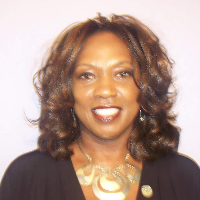
My practice offers every client a safe space to share and process the challenges of living. I purposely focus on...
13 years experience Texas
I am a Licensed Mental Health Counselor and Music Therapist with a Neurologic Music Therapy Specialization. I have worked since...
15 years experience Massachusetts

I am licensed in Tennessee with 15 years plus of professional work experience. I have experience in helping clients with...
15 years experience Tennessee

I am licensed in Tennessee with 15 years plus of professional work experience. I have experience in helping clients with...
15 years experience Tennessee

I see counseling as a collaborative process in which my clients and I work together to promote feelings of hope,...
6 years experience Louisiana
Developing self-love is a process of learning to treat yourself with kindness, respect, and acceptance. Many people come to therapy wanting to reduce self-criticism, heal from past hurts, and create a more compassionate relationship with themselves. Online therapy makes it easier to connect with therapists who specialize in self-compassion, self-esteem, and identity work, so you can begin that process from wherever you feel most comfortable.
Self-love is not narcissism or a static destination. It is an ongoing practice that includes self-care, realistic self-acceptance, healthy boundaries, and an ability to meet your own needs without excessive self-judgment. When self-love is low, people often struggle with perfectionism, people-pleasing, chronic self-criticism, difficulty setting boundaries, or making decisions from fear rather than values.
Therapy aimed at fostering self-love helps you understand the origins of negative self-beliefs, learn skills to shift internal dialogue, and build daily habits that reinforce a kinder relationship with yourself. Often this work overlaps with healing from trauma, treating anxiety or depression, and improving relationships with others.
People often look for therapy focused on self-love when they feel stuck in patterns that undermine their wellbeing. This can show up as persistent feelings of unworthiness, comparing themselves to others, or staying in unhealthy relationships because they fear rejection. It can also surface after major life changes – after a breakup, career shift, loss, or becoming a parent – when identity and self-worth are being reevaluated.
Others seek support when they notice perfectionism is limiting their success or when self-criticism is tied to past trauma or cultural messages that discount their value. Some want to learn how to practice self-compassion without feeling selfish, or to develop assertiveness that aligns with their true needs. Therapy for self-love meets a range of needs from emotional healing to practical skill-building.
Online therapy can make self-love work more accessible, consistent, and tailored to your life. Being in your own familiar space during sessions can make it easier to open up and try new ways of relating to yourself. Virtual sessions also allow you to practice self-care strategies in the environment where daily habits happen, making translation from session to real life smoother.
Because online therapy removes geographic limits, you can find therapists who specialize in self-compassion, shame resilience, or trauma-informed approaches even if those specialists are not available locally. Many therapists also offer digital tools, worksheets, and message-based check-ins that reinforce learning between sessions, supporting steady progress in cultivating self-love.
Online therapy offers convenience and flexibility that often helps people stay consistent with treatment. Scheduling is usually easier, commute time is eliminated, and you can more readily fit sessions into a busy life. For people with mobility limits, social anxiety, or caregiving responsibilities, remote sessions can remove barriers to getting support.
Another benefit is access. Online therapy expands your options so you can search for clinicians with specific experience in self-compassion, cultural competency, or modalities like cognitive-behavioral therapy, acceptance and commitment therapy, or compassion-focused therapy. This makes it more likely you’ll find someone who fits your needs and values.
That said, in-person therapy has strengths too. Some people feel more anchored meeting face-to-face, and certain therapeutic activities may feel easier in a shared physical space. Online therapy is not a lesser option; for many people it is the practical choice that yields better continuity and access to the right expertise.
Early sessions usually involve assessment and goal-setting. You and a therapist will explore where self-critical beliefs come from, what situations trigger harsh self-talk, and what you most want to change. Together you will create compassionate, measurable goals that reflect your values.
Therapeutic techniques can include gentle cognitive restructuring to challenge unhelpful beliefs, mindfulness and self-compassion exercises to change how you relate to emotions, behavioral experiments to practice new behaviors, and boundary-setting skills to protect your wellbeing. If trauma is involved, a trauma-informed therapist may integrate pacing, stabilization, and specific trauma therapies as appropriate.
Online therapy often includes homework-like practices: short daily exercises, journaling prompts, audio-guided meditations, or brief check-ins via secure messaging. Progress tends to be incremental. You will likely notice small shifts first – less self-blame in a particular situation, or the ability to pause before reacting – that build over time into more stable self-acceptance.
Start by looking for therapists who list self-compassion, self-esteem, trauma-informed care, or related specialties in their profiles. Read descriptions to see which approaches they use – for example, cognitive-behavioral therapy, acceptance and commitment therapy, compassion-focused therapy, or mindfulness-based approaches.
Cultural fit is important. Choose someone who understands your background and life context, whether that involves race, ethnicity, gender identity, religion, or family dynamics. This can make it easier to feel seen and to address internalized messages that affect self-worth.
Consider practical factors like session format (video, phone, messaging), availability, fees, and whether they offer brief introductory calls. Many therapists provide a free consultation, which is a good opportunity to ask about their experience helping clients build self-love, what a typical session looks like, and how they measure progress. If the connection does not feel right, it is okay to try another therapist – finding the right fit matters.
Beginning therapy can feel vulnerable, but small first steps make it manageable. Use a directory to search for therapists who specifically mention self-compassion or self-esteem work and filter by online availability. Reach out to one or two providers and ask a few questions about their approach and experience. Schedule a short consultation to see how it feels to speak with them.
Remember that progress happens over time and that seeking support is a meaningful act of self-respect. Finding the right therapist and committing to regular sessions creates the structure and guidance many people need to transform harsh self-criticism into kindness and resilience. You do not have to do this alone – help is available, and taking that first step is a powerful move toward treating yourself with the care you deserve.