
Stephanie Hrit
I am licensed in Michigan with 6 years of professional work experience. I have experience in helping clients with stress...
6 years experience North Carolina

By deciding to look for support, you’ve taken an important step – you’re in the right place to connect with impulsivity therapists who will listen, respect your goals, and support your next steps.
Online sessions offer flexibility, privacy, and convenience, making it easier to fit care into your life. Browse the listings below to explore options and find someone who feels like a good fit.
I am licensed in Michigan with 6 years of professional work experience. I have experience in helping clients with stress...
6 years experience North Carolina

I am licensed in New York with 10 years of professional work experience. I have experience in helping clients with...
10 years experience New York
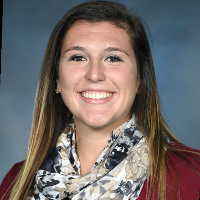
My name is Stephanie and I am a Licensed Professional Counselor (LPC) in the state of Pennsylvania. I have 4...
7 years experience Pennsylvania

I am licensed in Michigan with 4 years of professional work experience. I have experience in helping clients with stress,...
4 years experience Michigan

I am licensed in Florida with 10 years of professional work experience. I have experience in helping clients with stress,...
10 years experience Florida

I am a Licensed Marriage and Family Therapist (LMFT) in California with 5 years of clinical experience supporting adolescents, adults,...
5 years experience California

I am licensed in Idaho with 4 years of professional work experience. I have experience in helping clients with stress...
7 years experience Idaho

As a licensed therapist in Florida, I bring 15 years of dedicated experience supporting individuals through life's complex challenges. My...
15 years experience Florida

Hello! I’m Stephanie Quinn, a Licensed Professional Counselor in Pennsylvania. I’m glad you’re here and taking a step toward support....
12 years experience Pennsylvania

My name is Stephanie, a Licensed Professional Counselor with a heart for helping children, adolescents, families, and young adults navigate...
3 years experience South Carolina

Hello! My name is Stephanie Southard and I am a licensed clinical social worker (LCSW) with over 20 years of...
26 years experience New York

I am licensed in Maryland with 5 years of professional work experience. I have experience in helping clients with stress...
5 years experience Maryland

I am licensed in Florida, South Carolina, and Virginia with 26 years of professional work experience. I have experience in...
28 years experience Florida

Hello from Texas! I am a Licensed Professional Counselor licensed in Texas with over 15 years of experience working as...
20 years experience Texas

I am a licensed clinical social worker in New York, Connecticut, and Ohio with over 11 years of experience working...
11 years experience New York

I am licensed in Washington and Nevada with over 7 years of professional work experience. I have experience in helping...
7 years experience Washington

As a licensed therapist in Missouri, I specialize in supporting individuals navigating complex emotional landscapes. My clinical focus centers on...
3 years experience Missouri

I am licensed in New Jersey with 8 years of professional work experience. I have experience in helping clients with...
8 years experience New Jersey

I am a Licensed Clinical Social Worker who has 9 years of experience working in the mental health field. Currently...
6 years experience Idaho

As a social worker for more than 25 years, I’ve had the privilege of working with people from diverse backgrounds...
7 years experience New Jersey

As a licensed therapist in Maryland, Virginia, and Pennsylvania with three decades of professional experience, I specialize in supporting individuals...
30 years experience Maryland

My name is Stephen Clifton, LPC., M.A.C., I am a Licensed Professional Counselor, LPC #75647, I am currently located in...
8 years experience Texas

I am licensed in Massachusetts and Rhode Island with 23 years of professional work experience. I have experience in helping...
23 years experience Massachusetts

Hi, I’m Steve and I’ve been working as a registered therapist for over 10 years. I’ve always found that no...
10 years experience United Kingdom

I am licensed clinical professional counselor in the state of Maine. I worked for 3 years as an in-home counselor...
12 years experience Maine

My name is Stephen Groce, and I am a licensed mental health counselor in Indiana. I received my BA in...
10 years experience Indiana

As a licensed therapist, I specialize in supporting individuals navigating complex emotional landscapes. My approach centers on helping clients develop...
8 years experience California

I am licensed in Florida with over 10 years of professional work experience. I have experience in helping clients with...
10 years experience Florida

I am a Psychotherapeutic Counsellor with a Post Graduate Diploma and an Advanced Diploma in Transactional Analysis, as well as...
5 years experience United Kingdom

Hello. My name is Steve and I am a pluralistic therapist, which means that I trained in various modes of...
5 years experience United Kingdom

I am a licensed professional counselor licensed in Georgia with over 10 years of experience working as a therapist for...
12 years experience Georgia

I am a licensed in South Carolina with 27 years of professional work experience. I help clients dealing with stress...
27 years experience South Carolina

We all know that asking for help and talking about how we are feeling is difficult, but it can have...
18 years experience Wisconsin

I am licensed in North Carolina with 21 years of professional work experience. I have experience in helping clients with...
21 years experience North Carolina

My name is Steve Weiss and I am a Licensed Clinical Social Worker in Arizona and a Licensed Independent Clinical...
40 years experience Arizona

I’m a Mental Health Social Worker registered with the Australian Association of Social Workers (AASW), providing therapy for adults, young...
15 years experience Australia

I am a licensed psychotherapist (LCSW-S) in Texas with 24+ years of evaluated professional work experience. I have experience in...
24 years experience Texas

I am licensed in New Jersey with 15 years of professional work experience. I have experience in helping clients with...
15 years experience New Jersey

I’m a counsellor who is compassionate, direct, and deeply committed to helping people grow. I offer a safe, non-judgmental space...
5 years experience Australia

Hi! My name is Steve and here is my LinkedIn bio for your review: https://www.linkedin.com/in/steve-scarborough-lpc-71a56031/ I have extensive experience in...
10 years experience Missouri
Impulsivity shows up as acting quickly without thinking through consequences. It can mean blurting out words, making risky choices, overspending, binge eating, substance use, or having trouble waiting and planning. For many people, impulsive behaviors cause stress in relationships, trouble at work or school, legal or financial problems, or feelings of shame and loss of control.
Impulsivity is not a character flaw; it is a pattern of thinking and behavior that often reflects challenges with emotion regulation, executive functioning, or past experiences. It can occur on its own or alongside conditions such as attention-deficit/hyperactivity disorder (ADHD), mood disorders, substance use, or personality-related difficulties. Therapy aims to help people understand what triggers their impulsive actions and to develop practical strategies to respond differently.
People commonly seek therapy for impulsivity when they notice repeated consequences from quick decisions. Examples include chronic arguments that begin with impulsive remarks, repeated shoplifting or gambling, risky sexual behavior, sudden job changes, or impulsive aggression. Parents often seek help when teens act without thinking, putting themselves or others at risk. Adults may seek support when impulsive spending, substance use, or dangerous driving become patterns.
Typical needs include learning how to pause before acting, reducing impulsive reactions to intense emotions, building planning and organizational skills, and repairing relationship damage. Many also want help identifying triggers, improving problem-solving, and creating relapse-prevention plans so they can maintain gains long-term.
Online therapy makes it easier to connect with a therapist who specializes in impulse control, ADHD-related impulsivity, or emotion-regulation therapies like dialectical behavior therapy (DBT) and cognitive behavioral therapy (CBT). Through video, phone, or messaging sessions, a therapist can help you build specific skills such as distress tolerance, mindful awareness, delay techniques, and cognitive restructuring.
Because impulsivity often plays out in daily environments, online sessions let you practice strategies in the moment and then bring real-world experiences back to therapy. Therapists can assign short, practical exercises between sessions, help you track triggers and progress digitally, and tailor interventions to the pace that fits your life. For parents, caregivers, or partners, online therapy can also include coaching on how to respond constructively to impulsive behaviors at home.
Online therapy offers practical advantages that can make consistent care easier. It reduces travel time and removes geographic limits, so you can find a clinician with specific expertise in impulsivity even if there are none nearby. For people with busy schedules, caregiving responsibilities, or limited mobility, online sessions provide flexibility in timing and location.
Online therapy also allows you to receive help from the place where impulsive behaviors occur, which can support quicker generalization of skills. Many people feel safer opening up from their own home, which can reduce anxiety and make it easier to practice new responses. Digital tools such as secure messaging, shared worksheets, and tracking apps can enhance skill-building between sessions.
That said, in-person therapy remains valuable for many people and can be the preferred option depending on personal comfort and clinical needs. Online therapy is a strong, convenient alternative that often delivers comparable therapeutic approaches while improving access and continuity of care.
Your first online sessions typically include a conversation about your concerns, a history of when impulsive behaviors started, and how they affect daily life. A therapist will work with you to set clear, achievable goals—such as reducing impulsive spending, improving response to anger, or increasing planning ability—and choose evidence-informed techniques to reach those goals.
Therapy often focuses on skill-building. That might include learning to notice early physical or emotional signs of impulsivity, practicing a pause-and-plan technique, using distress-tolerance tools, and changing unhelpful thinking patterns that lead to impulsive acts. Therapists may offer role-plays, guided mindfulness exercises, and short behavioral experiments that you can try between sessions.
Online sessions require basic technology: a private space, a device with internet access, and a secure video or messaging platform chosen by the clinician. Confidentiality and safety planning are discussed up front, and therapists will explain how to reach help in a crisis. Sessions usually last 45 to 60 minutes and may start weekly, spacing out as skills consolidate.
When looking for a therapist, consider clinicians who list impulsivity, ADHD, anger management, or emotion-regulation as specialties. Training in DBT, CBT, or behavioral therapies can be particularly helpful for managing impulsive behaviors. If you prefer a particular age focus, such as teens or adults, seek someone experienced with that group.
Pay attention to practical fit as well. Confirm that the therapist is licensed in your state or region and that they offer the online formats you prefer (video, phone, or secure messaging). Ask about their approach to skill-building, how they handle crisis situations, what homework or between-session supports they provide, and how they measure progress. Consider factors like availability, session fees, and whether they accept your insurance or offer a sliding scale.
Using a directory, you can filter therapists by specialty, read profiles and client reviews, and send an initial message to ask specific questions about their experience with impulsivity and online work.
Deciding to seek help for impulsivity is a positive step toward greater control and improved relationships. You do not need to have everything figured out before contacting a therapist—one short message or phone call to ask about availability and approach can be a powerful start. Prepare a few examples of when impulsive actions have caused problems and a couple of goals you want to work toward to help guide the first session.
If you or someone else is in immediate danger, or if there are thoughts of harming yourself or others, contact local emergency services or a crisis line right away. For non-urgent support, using a therapy directory to find and connect with a clinician who specializes in impulsivity can help you build practical skills and steady progress. Small steps add up, and finding the right online therapist can make it easier to practice new ways of responding in the moments that matter most.