
Paula Howel
I am licensed in the UK with 5 years of professional work experience. I have experience in helping clients with...
7 years experience United Kingdom

You’ve taken an important step by looking for support, and you’re in the right place to connect with professionals experienced in commitment issues.
Online therapy offers flexibility, privacy, and convenience, so you can get support on your schedule. Browse the therapists listed below to explore profiles and find someone who feels right for you.
I am licensed in the UK with 5 years of professional work experience. I have experience in helping clients with...
7 years experience United Kingdom

If you’re exhausted from being strong all the time, doubting yourself, or feeling stuck in painful relationship patterns-you’re not alone....
13 years experience United Kingdom

I am licensed in Oregon with 13 years of professional work experience. I have experience in helping clients with coping...
14 years experience Oregon
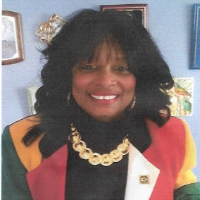
Greetings I have always had a deep affection for the field of Human Services since the day my siblings came...
30 years experience New Jersey

Hi I’m Paula. and firstly a warm welcome, it is important to find the right counselor for you. So please...
4 years experience United Kingdom

I am MBACP accredited May 2024. I have been helping clients for over 16 years deal with loss in my...
16 years experience United Kingdom

Helping you break old patterns and build healthier, more fulfilling relationships. I can help if you’re: - Feeling stuck in...
5 years experience United Kingdom

I am credentialed in Australia with 20 years of professional work experience. I have experience in helping clients with stress...
20 years experience Australia

As a licensed therapist in North Carolina with over two decades of experience, I specialize in supporting individuals through complex...
26 years experience North Carolina

I am licensed in the UK with 10 years plus of professional work experience. I have experience in helping clients...
10 years experience United Kingdom

For more than eight years, I have provided psychotherapy to clients from diverse backgrounds, addressing a wide range of presentations...
8 years experience Australia

As we face many life choices on a daily basis, it can get quite overwhelming as we try to juggle...
19 years experience Texas

Hello, my name is Peggy, I am warm, caring and nonjudgmental. I have an understanding of a wide range of...
7 years experience United Kingdom

I am a Licensed Professional Counselor with 15 years of experience. I have experience working with clients that need support...
16 years experience Michigan

Hi, I have been a Licensed Clinical Social Worker in the mental health field for the last 40 years. The...
40 years experience North Carolina

I am licensed in Arkansas with 7 years of professional work experience. I have experience in helping clients with anxiety,...
7 years experience Arkansas

As a licensed therapist in Florida with over three decades of experience, I specialize in supporting individuals through complex emotional...
31 years experience Florida
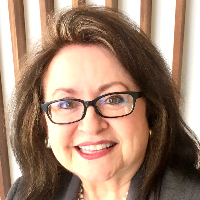
My name is Peggy Wilson, I have a Masters degree in Human Science with an emphasis on workplace behavior. I...
20 years experience Texas

People who want to love and relate to their selves and others in a more healthy and secure way seek...
6 years experience Texas

As a licensed therapist in New York, I bring over two decades of compassionate, client-centered experience supporting individuals through life's...
26 years experience New York
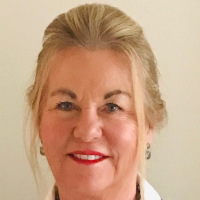
It takes courage to find the right counselor for you! As a seasoned therapist, I am licensed in the State...
30 years experience Florida

I am a Licensed Mental Health Counselor (LMHC) with over 40 years of experience in the mental health field, working...
42 years experience Florida

I am licensed in Missouri and Kansas with 35 years of professional work experience. I have experience helping clients who...
35 years experience Kansas

I am a Licensed Professional Counselor in the state of Alabama. Additionally, I have devoted 12 years of my professional...
4 years experience Alabama

Hi, I’m a qualified integrative psychotherapist who supports individuals feeling stuck, lost, or disconnected—especially those struggling with low self-worth, anxiety,...
3 years experience United Kingdom

My name is Cal. I trained to become a counsellor following a positive experience as a client. I know what...
6 years experience United Kingdom

As a licensed therapist in Texas, I specialize in supporting individuals navigating complex emotional landscapes. My approach centers on helping...
5 years experience Texas

My name is Peter Steele and I am a licensed therapist in Massachusetts. My clinical experience includes working with clients...
15 years experience Massachusetts

I gained my Diploma in Therapeutic Counselling in 2011 and have both volunteer & professional work experience. I have experience...
14 years experience United Kingdom

I understand that sometimes life can be a challenge! But with help and support, we can heal, change, and find...
7 years experience Illinois

Hi, My name is Petina. It is lovely to meet you and thank you for taking the time to check...
17 years experience United Kingdom

I am credentialed in the UK with 10 years of professional work experience. I have experience working with children and...
10 years experience United Kingdom

I am a fully qualified, credentialled counsellor and I live in the South of the UK. I am a single...
3 years experience United Kingdom

I am licensed in the UK with seven years of professional work experience. I have experience in helping clients with...
7 years experience United Kingdom

Have you ever wished for a space where you could slow down, breathe, and feel truly seen? That’s the kind...
10 years experience Pennsylvania

Phil Burns is a highly skilled and regarded counsellor with many years of experience in the field. Phil holds membership...
8 years experience Australia

Phil is the kind of therapist who brings a roadmap to healing and still makes room for detours. Serving Southeast...
3 years experience Alaska

I am licensed in California with 35 years of professional work experience. I have experience in helping clients with stress...
35 years experience California

I am a Licensed Independent Clinical Social Worker in Kentucky, Ohio and West Virginia. I offer therapy for people of...
11 years experience Kentucky

I am licensed in New York with 40 years of professional work experience. I have experience in helping clients with...
40 years experience New York
Struggling with commitment can affect dating, long-term relationships, career choices, and even friendships or creative projects. If you find yourself avoiding commitments, sabotaging relationships when they become serious, or feeling anxious at the thought of making long-term plans, therapy can help. Online therapy makes it easier to connect with clinicians who specialize in relationship patterns, attachment concerns, and the fear of getting close.
Commitment issues are patterns of avoiding or resisting long-term bonding or responsibility. They can show up as constantly keeping partners at arm’s length, repeatedly ending relationships when they become serious, chronic ambivalence about major life decisions, or feeling trapped by expectations. These behaviors are often tied to underlying emotional experiences rather than a simple preference for independence.
Common contributors include early attachment experiences with caregivers, relationship trauma, fear of losing autonomy, perfectionism, poor self-esteem, and anxiety about being vulnerable. Some people adopt an avoidant attachment style to protect themselves from perceived rejection, while others may have unresolved grief or past betrayals that make trust difficult. Therapy explores these roots and helps you build different ways of relating to yourself and others.
People seeking help for commitment issues often describe mixed feelings when a relationship becomes serious – excitement paired with dread. They may notice a pattern of leaving relationships right when intimacy increases, pushing partners away, or creating crises to avoid commitment. Others struggle with committing to career paths, housing, or starting a family, experiencing a persistent sense that they might make the wrong choice.
Emotional needs commonly connected to commitment difficulties include a desire for safety and control, help tolerating vulnerability, clearer communication skills, and building trust in oneself and others. Couples might pursue therapy together when one partner wants a deeper bond but the other hesitates. Individuals may seek therapy to understand their personal history, reduce anxiety around closeness, and practice healthier relationship behaviors.
Online therapy provides accessible, flexible support for exploring commitment patterns. It can be especially useful when sensitive relationship topics feel intimidating; the familiarity of your chosen space can make it easier to open up. Working with a therapist experienced in attachment theory, cognitive-behavioral approaches, or trauma-informed care can help identify triggers, reshape unhelpful beliefs, and develop skills to tolerate intimacy.
Therapists can guide you through exercises to increase emotional regulation, improve communication, and test new behaviors in relationships. They can help you recognize the difference between healthy boundaries and avoidance, support you through relationship transitions, and work with partners to build mutual understanding and trust. Online formats allow for continuity of care if you relocate or have a variable schedule, which is valuable when making gradual changes to long-standing patterns.
Online therapy offers practical and emotional advantages when addressing commitment issues. It expands the pool of available therapists so you can find a specialist in attachment, relationship anxiety, or couples work who matches your needs—regardless of geographic limitations. This increases the chances of finding someone whose style and expertise fit you, which matters a lot for relational topics.
Convenience is another benefit. Scheduling sessions from home reduces travel time and logistical stress, making it easier to keep appointments and sustain progress. Many people find that being in a familiar environment makes it easier to discuss vulnerable memories or try role-playing and communication exercises with less self-consciousness than in a therapist’s office. Online sessions can also be more private for those who prefer not to be seen entering a counseling center.
While in-person therapy has its own strengths, such as the tactile presence and possibly different nonverbal cues, online therapy provides broad access, flexibility, and comfort that can be particularly helpful when addressing fears about closeness and trust.
Your first sessions will typically involve an assessment of your relationship history, past experiences that may influence your trust and intimacy, current behaviors that interfere with commitment, and what you hope to change. A therapist may explore attachment patterns, identify avoidance strategies, and ask about specific relationship incidents to map where patterns repeat.
Therapy often includes a mix of insight work and practical skills. You might work on recognizing and challenging negative beliefs about relationships, improving emotional regulation so strong feelings don’t trigger withdrawal, and practicing clearer, gentler ways of communicating wants and needs. Therapists may assign “experiments” to try in real-life situations, such as small steps toward vulnerability or new strategies for handling disagreement.
Sessions may be individual or involve your partner. Frequency varies by need, but many start with weekly appointments and adjust as progress is made. Confidentiality standards apply to online work, and most therapists will explain how they protect privacy and handle emergencies early in treatment.
When looking for a therapist, consider clinicians who list experience with relationships, attachment styles, intimacy issues, or anxiety. Look for specific training in modalities that address relational patterns such as attachment-based therapy, cognitive-behavioral therapy (CBT), emotionally focused therapy (EFT), schema therapy, or trauma-informed approaches. If past trauma or betrayal is involved, a therapist with trauma experience can be especially helpful.
Pay attention to cultural fit and comfort. Commitment concerns are woven into identity, values, and life goals, so find someone who respects your background, relationship model, and pace. Read profiles for information about working with individuals versus couples, session formats (video, phone, messaging), and whether they offer an initial consultation to get a sense of compatibility.
Because this is a directory, use filters and bios to compare clinicians’ specialties, licenses, and client reviews. A good match increases the chance you’ll feel safe enough to try new ways of relating.
Deciding to address commitment issues is a meaningful step toward more satisfying relationships and a clearer sense of self. You don’t need to have all the answers before starting—therapists help you explore questions, tolerate uncertainty, and make changes at a pace that feels manageable.
If you’re ready to begin, start by searching for therapists who specialize in relationships, attachment, or intimacy concerns and who offer online sessions. Consider scheduling a brief consultation to see if you feel understood and supported. Small steps—reaching out, booking a first session, or even journaling about your patterns—can open the door to lasting change.
Finding the right therapist can help you move from avoidance to connection, so you can build the relationships and life commitments that reflect your values and needs. You don’t have to do it alone.