
April Wales
I am licensed in Florida with 7 years of professional work experience. I have experience in helping clients with stress...
7 years experience Florida

You’ve taken a meaningful step by seeking support, and you’re in the right place to connect with professionals experienced in autism.
Online sessions can make it easier to meet someone on your schedule – offering flexibility, privacy, and convenience. Browse the listings below to explore options and find a good fit for you.
I am licensed in Florida with 7 years of professional work experience. I have experience in helping clients with stress...
7 years experience Florida

As a licensed therapist in Minnesota, I bring two decades of compassionate mental health experience to supporting individuals through life’s...
25 years experience Minnesota

Welcome, I’m Ashley an Accredited Counsellor and Coach. With years of experience working with individuals from all walks of life...
4 years experience United Kingdom

I am licensed in the UK with 5 years of professional work experience. I believe that you are the expert...
7 years experience United Kingdom

I am credentialed in the UK with 6 years of professional work experience. I have experience in helping clients with...
6 years experience United Kingdom

I am credentialed in the UK with 5 years of professional work experience. I am psychotherapist, hypnotherapist and numerologist. I...
5 years experience United Kingdom

In my 6 years working as a therapist and mental health professional, I’ve supported many people who are carrying the...
3 years experience United Kingdom

I am a BACP registered therapist, licensed in the UK with 5 years of professional work experience. I have experience...
5 years experience United Kingdom

Hello, I am Barry. I have been a counsellor since March 2020. I have worked privately and in school’s and...
5 years experience United Kingdom

I am credentialed in the UK with 4 years of professional work experience. I have experience in helping clients with...
3 years experience United Kingdom

I am licensed in the UK with 10 years of professional work experience. I have experience in helping clients with...
14 years experience United Kingdom

I am credentialed in the UK with 5 years of professional work experience. I am an empathetic, down to earth...
6 years experience United Kingdom

I am an individual and couple psychotherapist, relationship and life coach licensed in the UK. I work with clients presenting...
9 years experience United Kingdom

I am a UKCP accredited integrative psychotherapist and BACP registered member with over 17 years practice experience. Whilst practicing as...
18 years experience United Kingdom
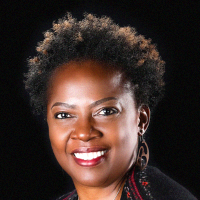
I am a licensed Mental Health Counselor, and I specialize in anxiety, anger, stress, depression, grief, conflict resolution, and addiction....
7 years experience South Carolina

I am licensed in the UK with 4 years of professional work experience. I have experience in helping clients with...
4 years experience United Kingdom

I am a person centred counsellor and a member of British Association for Counselling and Psychotherapy, with experience of working...
12 years experience United Kingdom

I am licensed in Louisiana with 23 years of professional work experience. I have experience in helping clients with stress...
23 years experience Louisiana

I am licensed in Louisiana with 6 years of professional work experience. I have experience in helping clients with stress...
8 years experience Louisiana

I am licensed in Florida with 50 years of professional work experience. I have experience in helping clients with stress...
50 years experience Florida

Hi! Thank you for for taking the time to read through my profile. I am a registered person centred counsellor...
10 years experience United Kingdom

I work on the premise that we all need to be heard. Collaboration and curiosity are the cornerstones of my...
4 years experience United Kingdom

As a licensed therapist with nearly three decades of experience, I specialize in supporting individuals navigating life’s complex emotional landscapes....
28 years experience Illinois

I am licensed in England with 14 years of professional work experience. My qualification entails Integrative Psychotherapeutic Counselling. I also...
14 years experience United Kingdom

My name is Carly, I’m a fully qualified integrative humanistic therapist, I have 3 years and 11 months experience working...
4 years experience United Kingdom

Hi, my name is Carmel. I am a Person-Centred Therapist and I offer a safe, non-judgemental space to explore your...
5 years experience United Kingdom

Welcome, my name is Carol Bendinelli. It takes courage to seek support, you don’t have to feel alone when life...
4 years experience United Kingdom

Hi, I look forward to meeting you. I truly believe all people are amazing and I’ve focused my life work...
25 years experience Utah

I am licensed in the UK with 3 years of professional work experience. I have experience helping clients with neurodiversity,...
3 years experience United Kingdom

Are you going through a life changing transition such as bereavement, relationship breakdown, career loss or change? All of these...
5 years experience United Kingdom

I am a National Counselling and Psychotherapy Society accredited and registered psychotherapist with over 16 years professional experience. I offer...
17 years experience United Kingdom

I am licensed in the UK with 7 years of professional work experience. My degree is in Psychology and my...
5 years experience United Kingdom

I am credentialed in the United Kingdom with 5 years of professional work experience. I have experience in helping clients...
5 years experience United Kingdom

I am a psychologist licensed in Australia with over 5 years of professional work experience. I have experience in helping...
5 years experience Australia

My name is Catherine, I am a person-centred counsellor. A member of MNCPS. I qualified in 2007 and have 17...
18 years experience United Kingdom

Hello, my name is Catherine, but please call me Kate, and I’m a fully qualified counsellor and a member of...
3 years experience United Kingdom

I am a PACFA registered Counsellor (clinical) with over 8 years of professional work experience. I believe that you are...
12 years experience Australia

Hello and welcome to this space. My name is Ceri. I am a Registered Psychotherapist with the British Association for...
5 years experience United Kingdom

I am credentialed in Australia as a psychotherapy and counselling federation of Australia (PACFA) clinical psychotherapist coming from multi-disciplinary areas...
12 years experience Australia

I am member of the British Association of Counselling and Psychotherapy (MBACP) with a wealth of experience in a wide...
4 years experience United Kingdom
Autism is a lifelong neurodevelopmental difference that affects social communication, sensory processing, routines, and the way someone experiences the world. People on the autism spectrum are diverse in strengths, challenges, and preferences. Some autistic people seek therapy themselves, while others come with caregivers, families, or educators looking for guidance and practical strategies.
Therapy for autism is not a one-size-fits-all intervention. It can include emotional support, skills training, behavioral strategies, parent coaching, and approaches that help with anxiety, sensory overload, executive functioning, and social interactions. Many therapists adapt evidence-informed methods to match an autistic person’s communication style, sensory needs, and goals.
People look for autism-informed therapy for many reasons. Some common concerns include co-occurring anxiety or depression, difficulty with social relationships, challenges in school or work settings, sensory sensitivities that interfere with daily life, and struggles with transitions or change.
Families and caregivers often seek guidance about routines, behavior support, school planning, and ways to improve communication. Adults who are autistic may want help with employment-related skills, romantic relationships, self-advocacy, and coping with stress or burnout.
Another common need is finding a therapist who understands neurodiversity and respects identity preferences related to autism. Many autistic clients prefer clinicians who take a strengths-based, person-centered approach and who can provide practical, concrete strategies rather than overly abstract talk therapy.
Online therapy offers several features that are well-suited to autistic people and their families. Remote sessions allow people to connect from a familiar, sensory-friendly environment, which can reduce stress and make it easier to focus on goals. For some, being at home lessens the anxiety of traveling to an office and waiting in new spaces.
Teletherapy can also make it easier to involve caregivers, teachers, or other supports by arranging joint sessions or coaching calls without everyone needing to be in the same location. Video sessions allow therapists to observe a client’s natural environment, routines, and triggers, which can improve assessment and personalized planning.
Besides live video, many clinicians offer phone sessions, messaging, or brief check-ins that provide ongoing reinforcement of skills. These flexible formats can be especially helpful for people who prefer shorter, more frequent contact or who need scheduling that fits school or work demands.
Access to specialized clinicians can be a major benefit of online therapy. In many regions, there are few autism-informed therapists available in person; teletherapy opens up a wider pool of providers and approaches.
For many autistic clients, the comfort of participating from a familiar place reduces sensory and social demands, leading to clearer communication and better participation. Remote sessions also remove time and logistical barriers such as long commutes, mobility challenges, or needing childcare.
Online therapy can offer more flexible scheduling, including evening or weekend appointments, which may better fit family routines. The format also allows for hands-on coaching that happens in the actual home or school setting rather than only in an office, which can make strategies easier to generalize into daily life.
That said, in-person sessions have advantages for certain interventions that benefit from direct, in-person interaction, such as some occupational therapy activities or group-based social skills practice. Online therapy is often complementary to those options and can be the primary or supplemental mode depending on individual needs.
Initial sessions typically focus on gathering background information: developmental history, current challenges, strengths, sensory preferences, routines, and goals. Therapists who specialize in autism will ask about communication styles and what helps someone feel regulated and comfortable during sessions.
Therapy plans are usually practical and goal-oriented. Sessions might include social communication coaching, anxiety-management techniques adapted for autistic thinking styles, executive function supports like planning and organization strategies, or parent coaching around routines and behavior support plans.
Therapists may use visual supports, shared digital materials, screen-sharing for social skills modeling, and written summaries of strategies after sessions. Some clinicians offer asynchronous support between sessions – short messages or worksheets – to practice skills in real life. Progress is typically reviewed regularly and plans adjusted to fit evolving needs.
When you begin looking for a therapist, consider experience and training specific to autism and neurodiversity-affirming practices. Look for clinicians who have worked with the age group you’re seeking support for – children, teens, or adults – and who can explain how they tailor interventions to sensory and communication differences.
Ask about preferred communication methods, accommodations for sensory needs, and how the clinician involves caregivers or other supports. It is reasonable to ask how they measure progress and whether they use practical tools and written plans you can use between sessions.
Compatibility is important. Many autistic clients prefer clear structure, concrete language, and predictable routines in therapy. If possible, schedule an initial consultation to gauge whether the clinician’s style and approach feel respectful and collaborative.
Because this site helps you find therapists, use filters and profiles to identify clinicians who list autism, neurodiversity, or related specialties. Read profiles for details on modalities offered, years of experience, and whether they work with families, schools, or workplaces.
Reaching out for help can feel daunting, but it is a practical step toward making everyday life a bit easier. You don’t need to have all the answers right away. A short consultation can help you assess fit, ask about accommodations, and set initial goals.
If you’re a caregiver, you can begin by finding someone who offers parent coaching or family sessions. If you are an autistic adult, prioritize clinicians who respect your identity and communication preferences. Online therapy makes it easier to try a few different clinicians until you find a good match without the time and expense of travel.
Finding the right therapist can open new options for managing sensory overload, reducing anxiety, improving daily routines, and building skills that support independence and well-being. When you’re ready, search for autism-informed clinicians who offer the online formats and accommodations you prefer, and schedule a brief consultation to get started.