
Alina Ghitea
I am an individual and couples therapist licensed in California with over 7 years of experience as a counselor and...
6 years experience Florida

Trauma and Abuse can have deep, lasting effects on emotions, relationships, and daily life. Therapy in this specialty offers a safe, compassionate space to explore experiences, build coping skills, and reclaim a sense of agency.
Online therapy makes that support more accessible – offering privacy, flexible scheduling, and continuity of care from wherever you are. Working with a trained clinician, you can move at your own pace to process memories, develop coping strategies, and strengthen resilience. If you’re struggling, reaching out for support is a courageous step.
I am an individual and couples therapist licensed in California with over 7 years of experience as a counselor and...
6 years experience Florida

Hello, I am a marriage and family therapist with 11 years of experience. It is my intention to support you...
11 years experience California

I am licensed in Maryland with 15 years of professional work experience. I have experience in helping clients with stress...
15 years experience Maryland
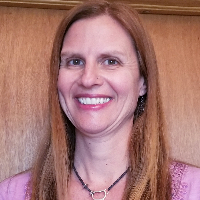
I am here to support you with the challenges that you are experiencing at this time. I will guide you...
20 years experience Arizona

I am Alisa Branch and I’m excited you’ve found my page. I truly aspire to be a breath of fresh...
14 years experience North Carolina

I am a Licensed Professional Counselor with over 20 years of experience in the behavioral health field, helping individuals navigate...
20 years experience Arizona

I am licensed in Texas with 18 years of professional work experience. I have experience in helping clients with stress...
18 years experience Texas

Hi! I am Alisa Neary (she/her). I’m a Licensed Clinical Social Worker. More specifically, I am passionate about inspiring hope...
9 years experience Illinois

As a licensed therapist in Virginia, I bring over two decades of compassionate clinical experience supporting individuals through life’s complex...
20 years experience Virginia

I am licensed in Georgia and Alabama with 15 years of professional work experience. I have experience in helping clients...
15 years experience Georgia

I am licensed in Utah with 11 years of professional work experience. I have experience in helping clients with relationship...
11 years experience Utah

Hello! My name is Alisa Sawyer. I am a Licensed Mental Health Counselor in New York with over 7 years...
7 years experience New York

I am licensed in Oregon with 28 years of professional work experience in the public and private sectors. I have...
28 years experience Oregon

Hi! My name is Nikki Lowman. I am a licensed clinical social worker in North Carolina with 5 years of...
5 years experience North Carolina

I am a licensed professional counselor with an additional certification as a certified complex trauma professional. I graduated from Chestnut...
6 years experience Pennsylvania

I am a licensed professional counselor with an additional certification as a certified complex trauma professional. I graduated from Chestnut...
6 years experience Pennsylvania

I am an Accredited Registrant with the National Counselling and Psychotherapy Society (MNCPS Acc.) and currently in the final year...
3 years experience United Kingdom

HELLO. Thank you for stopping by. My name is “AC” (Alisha) and I am a licensed professional counselor. Thank you...
12 years experience North Carolina
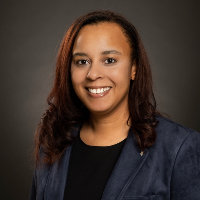
I am a Licensed Professional Clinical Counselor in Ohio with over 11 years of experience. I have worked with clients...
11 years experience Ohio

I am licensed in Alabama with 8 years of professional work experience. I have experience in helping clients with relationship...
8 years experience Alabama

I am licensed in Maryland with 24 years of professional work experience. I have experience in helping clients with stress,...
23 years experience Maryland

As a licensed therapist in Washington, I specialize in supporting individuals navigating complex emotional landscapes. My approach centers on understanding...
4 years experience Washington

I am licensed in Florida with 3 years of professional work experience. I have experience in providing affirming care to...
3 years experience Florida

I am licensed in Oklahoma with 9 years of professional work experience. I have experience in helping clients with stress,...
9 years experience Oklahoma

I am licensed in Illinois with 15 years of professional work experience. My professional background includes providing psychiatric crisis work,...
16 years experience Illinois

As a licensed therapist in Idaho, I specialize in supporting individuals through complex emotional landscapes. My approach is compassionate, direct,...
10 years experience Idaho

I’m a dual-trained Therapist and Coach with over 10 years’ experience. I offer a caring and non-judgemental space for you...
13 years experience United Kingdom

As a licensed therapist in California, I specialize in supporting individuals navigating complex life transitions and personal challenges. My approach...
14 years experience California

As a licensed therapist in New York, I bring over a decade of experience supporting individuals through complex emotional landscapes....
13 years experience New York

My name is Aly Baxter I am an Integrative Psychotherapist providing both long-term therapy and short term Counselling to individuals....
4 years experience United Kingdom

Hi I’m Alison. I’m a little bit of a quirky counsellor (think crazy hair and tattoos) who works in an...
3 years experience United Kingdom

Hi, I am Alison, I am credentialed in the UK with over 2 decades of experience working in the field...
4 years experience United Kingdom

I am a professional, compassionate and highly skilled Counsellor and Psychotherapist, with over 13 years experience as a Therapist and...
13 years experience Australia

Hello, my name is Alison Chrun, MA, LMFT. I am a Licensed Marriage and Family Therapist based out of California....
8 years experience California
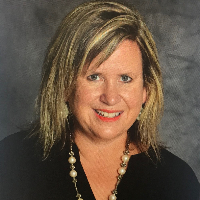
I am a Licensed Clinical Social Worker with many years of experience working with a wide variety of individuals. I...
5 years experience Tennessee

I am licensed in the UK with 3 years of professional work experience. I have experience in helping clients with...
4 years experience United Kingdom

I am licensed in the UK with 3 years of professional work experience. I have experience in helping clients with...
5 years experience United Kingdom

If you are struggling with a relationship, then you are in the right place. I help people with all types...
3 years experience United Kingdom

I am licensed in the UK with 20 + years of professional work experience. I have worked as a professional...
20 years experience United Kingdom

I am licensed in the UK with 7 years of professional work experience. I have experience in helping clients with...
7 years experience United Kingdom
Trauma refers to the emotional and psychological response to events that are overwhelming or threatening to a person’s safety or well-being. Abuse can take many forms – physical, emotional, sexual, financial, or neglect – and may be a single incident or a pattern that occurs over time. Both trauma and abuse can affect thinking, emotions, relationships, and daily functioning.
Online therapy for trauma and abuse is a way to receive professional mental health support remotely, using video, phone, or in-app messaging. As a directory, we connect people with therapists who specialize in trauma-informed care and who offer virtual options. While we are not a provider, the therapists listed may use approaches tailored to trauma recovery, such as cognitive behavioral therapy, trauma-focused cognitive behavioral therapy, EMDR, somatic therapies, or dialectical behavior therapy.
People who have experienced trauma or abuse may notice a range of emotional, physical, and behavioral signs. No single list covers every experience, but common indicators include:
If you or someone you care about is experiencing thoughts of self-harm or harm to others, seek immediate help from local emergency services or crisis resources. Online therapy can provide ongoing support, but it is not a substitute for emergency intervention.
Online therapy offers a flexible, accessible way to connect with a trauma-informed therapist. It can support recovery by creating a safe, consistent space to process experiences, learn coping strategies, and rebuild a sense of control. Common ways online therapy helps include:
Many people find that virtual sessions allow them to access specialized trauma therapists who may not be available locally. Online care also supports continuity of treatment during moves, travel, or scheduling challenges.
Both online and in-person therapy have strengths, but online therapy offers several advantages that can be especially helpful for people affected by trauma and abuse:
In-person therapy does provide in-person presence and nonverbal cues that some find valuable. However, for many survivors of trauma and abuse, the accessibility, flexibility, and privacy of online therapy make it a preferred option for beginning or continuing treatment.
Starting online therapy typically begins with an intake or initial assessment. This helps the therapist understand your history, current concerns, safety needs, and goals. What you can expect:
Before your first online session, you may be asked to test your camera and microphone, review consent and privacy information, and identify a private, comfortable spot for the session. If privacy is a concern, therapists can discuss options such as using headphones, chat-based sessions, or scheduling at times when privacy is more likely.
Choosing a therapist who is experienced with trauma and abuse is important. As a directory, we list therapists who offer online services and often include details about their specialties and approaches. When evaluating potential therapists, consider asking about:
Trust and rapport are essential. It’s okay to schedule a few consultations to see who feels like the right fit. A good therapist will respect your pace and collaborate with you to build safety and trust.
Reaching out for help takes courage. If you’re considering online therapy for trauma or abuse, start by reviewing therapist profiles in this directory and identifying a few who list trauma-informed care as a specialty. Prepare a brief summary of your concerns and any practical needs – such as times you can meet, language preferences, or accessibility accommodations – and use that to guide initial conversations.
Practical tips for your first online session:
Please remember that therapy is a process and progress can look different for everyone. If you or someone you know is in immediate danger, contact local emergency services right away. For ongoing support and to find a therapist who offers online trauma-informed care, browse our listings and reach out when you feel ready – taking the first step is an important move toward greater safety, understanding, and healing.