
Amberlyn Keller
My name is Amberlyn Keller, M.A., M. Edu., LPC. My education background includes: I have a bachelor’s of science degree...
8 years experience Texas

You’ve taken an important step by seeking support, and you’re in the right place to connect with therapists experienced in Control Issues who can help you build steadier routines and healthier relationships at your own pace.
Online therapy offers flexibility, privacy, and convenience, making it easier for you to fit sessions into busy days or speak from a comfortable space – browse the listings below to explore practitioners and find one who feels like a good fit.
My name is Amberlyn Keller, M.A., M. Edu., LPC. My education background includes: I have a bachelor’s of science degree...
8 years experience Texas

Hello, my name is Amee. I am an accredited therapist from the UK who is dedicated to creating a safe,...
4 years experience United Kingdom

I am licensed in Virginia with extensive experience in providing therapy to help people maneuver through life challenges, such as...
12 years experience Virginia

As a licensed therapist in Texas, I specialize in supporting individuals navigating complex emotional landscapes. My approach centers on compassionate,...
5 years experience Texas
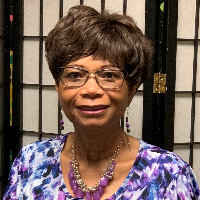
Sometimes in life we just need extra help in dealing with struggles we are experiencing. As a Licensed Mental Health...
25 years experience Indiana

Bilingual Mental Health Services. Find passion in your life. Be your Authentic Self. LGBTQI2-S Affirmative Therapy. Build your Narrative.
7 years experience California

I am licensed in Minnesota with 9 years of professional work experience. I have experience in helping clients with relationship...
9 years experience Minnesota

I am a licensed professional counselor in both Pennsylvania and New Jersey. I have been practicing professionally since 1995 and...
27 years experience Pennsylvania

***Currently have chat (like texting) openings*** Open minded and non judgmental therapist with a safe place. Experienced with alternative lifestyles,...
14 years experience Florida

Hi, my name is Amie. I am a registered member of the BACP with 4 years experience working with clients....
5 years experience United Kingdom

I am licensed in the UK with 17 years of professional work experience. I have experience in helping clients with...
17 years experience United Kingdom

My name is Amie Diminico I am a Licensed Mental Health Counselor(LMHC) in the state of Massachusetts. I earned my...
12 years experience Massachusetts

I am licensed in Illinois with a total of 34 years of professional work experience, 20 of those with my...
20 years experience Illinois

I am a Bilingual Licensed Mental Health Counselor in Florida with over seven years of field experience. I graduated from...
7 years experience Florida

I am licensed in Arizona and Utah with 13 years of professional work experience. I have experience in helping clients...
13 years experience Arizona

Hi, I’m Aminah Teague. I’m a counsellor that helps anxious people understand and work with themselves. Maybe it feels like:...
4 years experience United Kingdom

I am credentialed in Australia with 21 years of professional work experience. I also have a Master of Child Play...
21 years experience Australia

I am licensed in Texas with 3 years of professional work experience. I have experience in helping clients with stress...
4 years experience Texas

I am licensed in the UK with 14 years of professional work experience. I have experience in helping clients with...
15 years experience United Kingdom

Hello, thank you for visiting my page. My name is Amy Allen, a licensed Marriage and Family therapist with over...
13 years experience California

As a licensed therapist in Texas and Arkansas, I specialize in supporting individuals through complex emotional landscapes. My practice centers...
13 years experience Texas

I am licensed in North Carolina, Missouri, and Florida with 10 years of professional work experience. I believe in treating...
10 years experience North Carolina

As a licensed therapist in Ohio, I bring 18 years of compassionate counseling experience supporting individuals through life's complex challenges....
19 years experience Ohio

Hello and welcome! My name is Amy and I would like to say thank you for taking the time out...
5 years experience United Kingdom

I use experiential techniques to help you recognize the destructive patterns of behavior that may be causing conflict in your...
13 years experience Pennsylvania

I am a licensed professional counselor in Colorado with over 7 years of professional work experience. I have worked with...
8 years experience Colorado

Hi! I’m Amy and I’m a licensed professional counselor in the state of Missouri. Along with my Master’s of Science...
10 years experience Missouri

I am licensed in South Carolina with 20 years of professional work experience. I have experience in helping clients with...
20 years experience South Carolina

I am licensed in New York with 14 years of professional work experience. I have experience in helping clients with...
20 years experience New York

I am licensed in Michigan with 30 years of professional work experience, specializing in Cognitive Behavior Therapy modality. I have...
30 years experience Michigan

I am licensed in California with over 10 years of professional work experience. I have experience helping clients with stress...
15 years experience California

Hi, I’m Amy Farrow. I’m a licensed clinical psychotherapist in Kansas, and I help women navigate anxiety, self-doubt, relationship challenges,...
8 years experience Kansas

I am a Licensed Clinical Social Worker practicing in the state of North Carolina. I earned a Masters of Social...
14 years experience North Carolina
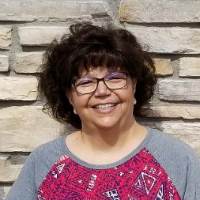
Hello, my name is Amy Flores and I am a Licensed Clinical Social Worker, currently licensed in Tennessee. For the...
5 years experience Tennessee

Do emotions feel foreign to you? Overwhelming? Were you taught to just ignore what you are feeling and power through...
6 years experience Ohio

Hello and welcome! My name is Amy Hatcher, and I am a military veteran, career firefighter/EMT, licensed marriage and family...
12 years experience California

I am licensed in New York with 15 years of professional work experience. I have experience in helping clients with...
15 years experience New York

I am licensed in Louisiana with 6 years of professional work experience. I have experience in helping clients with stress,...
6 years experience Louisiana

I am a Licensed Independent Clinical Social Worker in Massachusetts with 20 years of experience working with adolescents and their...
20 years experience Massachusetts

Hi-- my name is Amy Kilgore and I am a licensed professional clinical counselor. I have 14 years of professional...
13 years experience Virginia
Control issues show up when a person relies heavily on controlling situations, outcomes, or other people to feel safe, competent, or calm. This can include perfectionism, difficulty delegating, rigid routines, micromanaging in relationships or at work, or chronic worry that leads to attempts to manage every detail.
People who struggle with control often report stress, relationship conflict, burnout, or avoidance of new experiences. Control can feel like a short-term solution that reduces uncertainty, but over time it commonly creates tension, isolation, and emotional exhaustion. Therapy can help you understand the roots of control, develop more flexible coping strategies, and rebuild trust in yourself and others.
Many people seek help when control begins to interfere with daily life. That might look like constant checking and reassurance-seeking, arguments with partners over responsibilities, trouble delegating at work, or difficulty coping when plans change. Control issues can also be linked with anxiety disorders, obsessive tendencies, trauma-related hypervigilance, or rigid personality traits.
Some people come to therapy because they notice their need for control is preventing intimacy or career growth. Others want to stop feeling constantly stressed or resentful. Parents sometimes seek support when their control around child-rearing becomes a source of family conflict. Whatever the situation, therapy aims to reduce distress and increase flexibility and self-compassion.
Online therapy offers a flexible, accessible way to work on control-related patterns. With remote sessions, you can meet a therapist from your home or a private space, which can lower the barrier to starting treatment. Therapists trained in cognitive-behavioral approaches, acceptance-based therapies, or trauma-informed care can guide you in exploring beliefs that fuel control and in practicing alternative responses.
Online therapy can include practical tools such as exposure exercises for tolerating uncertainty, thought records for challenging control-driven thinking, and behavioral experiments to test new ways of interacting. Video, phone, or text-based formats also allow therapists to coach you in real time during everyday situations where control tendencies arise.
Online therapy increases convenience and choice. You can connect with therapists who specialize in control issues even if there are no local specialists nearby. This expands options for matching on therapeutic approach, cultural fit, or scheduling needs.
Remote sessions reduce logistical barriers like commuting, childcare, or time off work, making it easier to maintain consistent treatment. For people who feel anxious about entering a therapist’s office, starting online can feel safer and more manageable.
Online therapy also allows you to practice skills in your real environment. For example, if rigidity around household routines is a concern, you can work on flexibility in the moment and discuss it with your therapist right after. While in-person therapy has its strengths, online work can be particularly effective for building practical, day-to-day coping strategies.
Early sessions typically focus on assessment and building a collaborative plan. Your therapist will ask about the ways control shows up, what you hope to change, and how these patterns started or are maintained. Expect a mix of conversation, skill teaching, and homework between sessions.
Common therapy components include identifying the thoughts and feelings that drive control, learning distress-tolerance and emotion-regulation skills, experimenting with small changes to increase tolerance for uncertainty, and practicing healthier communication in relationships. Progress often involves setbacks; therapists help you view those as learning opportunities rather than failures.
Sessions can be structured or flexible depending on the therapeutic approach. Many people find that combining talk-based work with concrete behavioral experiments and reflection yields steady improvements.
Look for therapists who list control issues, anxiety, perfectionism, or related concerns among their specialties. Therapists trained in cognitive-behavioral therapy (CBT), acceptance and commitment therapy (ACT), dialectical behavior therapy (DBT), or trauma-informed care often have helpful tools for this work.
Consider practical fit: availability for times that suit your schedule, comfort with video or phone sessions, and fee or insurance options. Also pay attention to personal fit: some people prefer a direct, skills-focused therapist; others prefer a more exploratory, insight-oriented approach. You can request an initial consultation to get a sense of style and rapport before committing.
Ask potential therapists about their experience working with control-related issues, the types of techniques they use, and what a typical treatment timeline looks like. Ask how they handle setbacks and how they measure progress. A good match will feel collaborative and respectful of your values and pace.
Reaching out for help with control issues is a brave and practical step. It does not mean you are weak or flawed; it means you are ready to expand your options and reduce the strain control places on your life. Finding a therapist who understands control dynamics and offers online sessions can make starting treatment easier and more sustainable.
If you are uncertain, consider scheduling a short introductory session to explore whether online therapy feels right for you. Small experiments—like trying a 20-minute video call—can open the door to meaningful change. With steady work and a therapist who fits your needs, people often find greater flexibility, improved relationships, and less emotional exhaustion.
Finding a therapist through a directory lets you compare specialties, approaches, and formats so you can choose someone who matches your goals. Take your time, trust your instincts, and remember that change is a process—one step at a time can lead to lasting improvement.