
Sheri Hunt
I am licensed in Kentucky with over 5 years of professional work experience as an LCSW and 20 years experience...
15 years experience Kentucky

You’ve taken an important step by seeking support, and you’re in the right place to connect with compulsion therapists who respect your goals and pace.
Online therapy offers flexibility, privacy, and convenience – making it easier to meet with skilled clinicians from home or on the go. Browse the listings below to explore profiles and find someone who feels like a good fit.
I am licensed in Kentucky with over 5 years of professional work experience as an LCSW and 20 years experience...
15 years experience Kentucky

I believe it is really important to accept yourself where you are right now and I want you to know...
16 years experience California

Aloha and welcome to BetterHelp! My name is Sherilyn Cho and I am a Licensed Mental Health Counselor (LMHC) in...
6 years experience Hawaii

As a licensed therapist in Oklahoma with over two decades of experience, I specialize in supporting individuals navigating complex emotional...
25 years experience Oklahoma
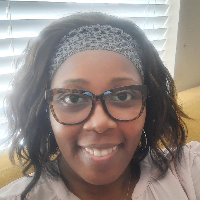
I am a Licensed Professional Counselor (LPC) in Texas with over 20 years of experience working as a psycho-educational counselor...
20 years experience Texas

I am licensed in California with 30 years of professional work experience. I have experience in helping clients with stress,...
30 years experience California
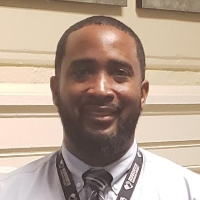
Greetings, My name is Sherron (Tony) Bostic and I’m a Licensed Clinical Social Worker with over 10 years of experience...
8 years experience Georgia
I am licensed in Texas with 7 years of professional work experience. Prior to receiving my license Professional Counselor license...
7 years experience Texas
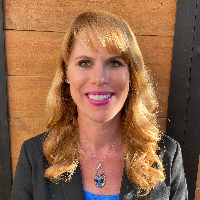
My name is Sherry Farrell. I am a licensed Marriage and Family Therapist in California. I earned a bachelor’s degree...
10 years experience California

I am a Licensed Clinical Mental Health Counselor (LCMHC) with over 13 years of experience helping individuals, couples, and families...
13 years experience North Carolina

I am licensed in Texas with 20 years of professional work experience. I have experience in helping clients with stress...
20 years experience Texas

I believe that each one of us has unique life circumstances and that the counseling process should meet your specific...
3 years experience Virginia

As a licensed therapist in California with over 25 years of experience, I specialize in supporting individuals through complex emotional...
25 years experience California
Difficult times and unexpected life changes happen. Relationships struggle and sometimes end. Losses of all kinds happen. Hurt, stress, grief...
25 years experience North Carolina

I am licensed in Maryland with 6 years of professional work experience. I am licensed in District of Columbia as...
6 years experience Maryland

Finding the right counsellor can be tricky sometimes as this may bring up many questions like, will I feel comfortable...
9 years experience United Kingdom

Hello, a massive warm welcome to you! My name is Shimana Cassie. I am a Clinical Psychotherapist & Counsellor and...
4 years experience United Kingdom

I am licensed in Oklahoma since 2005 and have been in this professional work of line since 2002. I have...
20 years experience California

Most couples don’t come to counselling because they’ve stopped loving each other — they come because something’s getting in the...
4 years experience United Kingdom

I’m a diversely experienced behavioral healthcare provider with a profound understanding of the clinical, and practical realities of mental health...
6 years experience Minnesota

I became interested in counseling through my own recovery from addiction. Thirty -four years ago, with seven years in my...
19 years experience Texas

I am licensed in Florida with 11 years of professional work experience. I have experience in helping clients with stress...
11 years experience Florida

I am a State of Colorado licensed Mental Health provider and have been for nearly 30 years. I grew up...
35 years experience Colorado

I am a pluralistically trained therapist & psychotherapist which allows me to use a variety of theories and techniques to...
3 years experience United Kingdom

I am an LPC-S, trained in Cognitive Behavioral Therapy with wide range of experience. I have many years of experience...
18 years experience Texas

I am a licensed counselor in Georgia with 15 years of professional work experience. I have worked in private practice...
15 years experience Georgia
Hello! Welcome to BetterHelp. I am so glad that you are here. My name is Shoshanna Joss. I am a...
3 years experience New Jersey

Hi, I’m Alice. I’m a bilingual social worker (English/Mandarin) who combines professional practice with lived experience as a peer supporter...
3 years experience Australia

Life is a journey. At times we all need someone to help sort through the ups and downs of life....
8 years experience United Kingdom

I am licensed in Georgia with 6 years of professional work experience. I have experience in helping clients with stress...
6 years experience Georgia

I am licensed in Washington with 6 years of professional work experience. I have experience in helping clients with stress...
6 years experience Washington

As a licensed therapist in Georgia, I specialize in supporting individuals through complex life transitions and personal growth challenges. My...
10 years experience Georgia

I am licensed in Michigan with 9 years of professional work experience. I have experience in helping clients with stress...
9 years experience Michigan

I am licensed in North Carolina with 4 years of professional work experience. I have experience in helping clients with...
4 years experience North Carolina
In my practice, I work with each person individually, and use the client’s goals to inform the types of therapy...
8 years experience Texas

I am an Accredited Member of the British Association for Counselling and Psychotherapy, in the UK. I am currently offering...
19 years experience United Kingdom

Starting therapy can feel like a big step, especially if you’re carrying things that have felt heavy for a long...
4 years experience United Kingdom

As we navigate through life, various aspects around us undergo transformations – our surroundings, friendships, and our bond with family....
8 years experience New York

I am licensed in New York with 9 years of professional work experience. I have experience in helping clients with...
9 years experience New York

I am a licensed therapist in Texas with three years of professional experience, dedicated to helping individuals navigate life’s challenges....
3 years experience Texas
Compulsive behaviors can interfere with daily life, relationships, work, and a sense of well-being. If you find yourself repeating actions you don’t want to do, feeling driven to perform rituals, or struggling with urges that feel out of control, therapy can help you understand what’s happening and build reliable strategies to reduce their impact. Online therapy makes it easier to find clinicians with experience treating compulsions and to begin treatment from the privacy and comfort of your own home.
A compulsion is a repetitive behavior or mental act that someone feels compelled to perform. Compulsions often come in response to distressing thoughts or urges and are meant to reduce anxiety or prevent a feared outcome. While compulsions are most commonly associated with obsessive-compulsive disorder (OCD), they can appear in other contexts such as behavioral addictions, body-focused repetitive behaviors, or habit disorders.
Compulsions may include repeated checking, cleaning or washing, counting, tapping or repeating phrases, excessive reassurance-seeking, compulsive shopping or gambling, skin picking, hair pulling, or repetitive mental rituals. The behavior may provide temporary relief but typically reinforces the cycle and can grow more time-consuming or disruptive over time.
People seek help for compulsions for many reasons: distress caused by the behavior, time lost to rituals, impact on work or school, relationship strain, avoidance of situations that trigger urges, or feeling controlled by unwanted impulses. Therapy aims to reduce the power of compulsions, help you tolerate distress and uncertainty, and restore function and choice in daily life.
When you’re struggling with compulsions, you may worry about judgment, stigma, or whether your experience is “bad enough” to seek help. You may be unsure whether your habits are part of OCD, an addiction, or another condition. You might need help identifying triggers, understanding the cycle of obsessions and compulsions, and learning practical skills to respond differently.
Many people want therapy that is practical and evidence-informed, with a clear plan and measurable goals. Common needs include reducing time spent on rituals, decreasing distress tied to intrusive thoughts, preventing relapse, learning coping skills for urges, and addressing co-occurring anxiety, depression, or substance use. Some also need family support or guidance around involving partners and loved ones in treatment.
Online therapy increases access to clinicians who specialize in compulsive behaviors, including those trained in specific approaches like cognitive-behavioral therapy (CBT), exposure and response prevention (ERP), and habit-reversal training. That means you can find someone with the right experience even if such specialists are not nearby.
Teletherapy also allows you to practice skills in the same environment where compulsions occur. A therapist can guide exposure exercises and response-prevention efforts while you’re at home or at locations that trigger your urges. This direct, real-world coaching can make behavioral changes more relevant and effective.
Online sessions offer scheduling flexibility, which can be helpful if compulsions take up time or make leaving the house stressful. Remote therapy can also feel more private and less stigmatizing for some people, encouraging openness and honesty with a clinician.
Online therapy offers convenience and accessibility that many people find essential. You can connect with therapists across regions to find the best match for your needs, without time spent commuting. That flexibility often makes it easier to maintain consistent appointments, which is important for progress with compulsive behaviors.
Because remote therapy can be done from home, it can reduce the barrier of leaving the house when rituals or anxiety make travel difficult. It also enables therapists to observe and support you in the settings where compulsions naturally occur, facilitating more tailored interventions.
While in-person therapy has benefits—such as physical presence and perhaps certain local support services—online therapy makes specialized care more attainable. Many people appreciate the option to combine online and occasional in-person sessions if they want a hybrid approach.
An initial session typically focuses on assessment: understanding the types of compulsions you experience, their frequency and triggers, and how they affect your life. A therapist will ask about your history, current stressors, and any past treatments. This assessment helps shape a personalized treatment plan.
Treatment often includes psychoeducation about the cycle of obsessions and compulsions and training in CBT skills. For compulsions related to OCD, exposure and response prevention (ERP) is a leading approach. ERP involves gradually facing feared situations or thoughts while resisting the compulsion, under the therapist’s guidance, to reduce anxiety over time.
For body-focused repetitive behaviors like hair pulling or skin picking, habit-reversal training teaches awareness, competing responses, and strategies to prevent the behavior. When compulsions relate to addictive patterns, therapists may use motivational interviewing and relapse-prevention planning.
Expect homework and practical exercises between sessions, regular review of progress, and clear goals. Your therapist should discuss confidentiality, crisis protocols, and how to reach help if you’re in immediate danger. Teletherapy requires reliable internet and a private space for sessions; many therapists will review safety and privacy upfront.
Look for therapists who list experience treating compulsive behaviors, OCD, body-focused repetitive behaviors, or behavioral addictions. Check whether they use evidence-based treatments such as CBT, ERP, or habit-reversal training. Ask about their experience with your specific type of compulsion and with online delivery of these methods.
Consider practical factors like availability, session format (video, phone, or chat), fees, insurance coverage, and whether they offer short-term or long-term treatment. Pay attention to how comfortable you feel during an initial conversation: a good match involves trust, clear communication, and a collaborative approach to goals and treatment planning.
As this is a directory, you may want to contact several therapists to compare approaches and find someone whose style and expertise suit your needs.
Reaching out for help is a courageous first step. You don’t need to have all the answers before you start—therapists are trained to assess, explain options, and help you set workable goals. Prepare for an initial contact by noting the behaviors that concern you, when they occur, and how they affect your life. Consider questions about treatment approach, experience with compulsions, online session logistics, and what progress might look like.
Progress is often gradual. Effective treatment typically involves practicing new skills between sessions and tolerating discomfort while the brain learns new responses. If you find a therapist who feels like a good fit, commit to a trial period to see whether their approach helps you gain more control and freedom from compulsive patterns.
If you ever feel at risk of harming yourself or someone else, seek immediate help from local emergency services or crisis resources. For non-urgent support, finding a qualified therapist who understands compulsions can be a transformative step toward regaining choice and balance in your life.