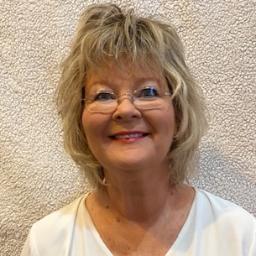
Peggy Cahue-Kuipers
I am a Licensed Professional Counselor with 15 years of experience. I have experience working with clients that need support...
16 years experience Michigan

Deciding to seek support is a courageous step, and you’re in the right place to connect with therapists for women’s issues who respect your experiences and goals.
Online sessions offer flexibility, privacy and convenience – making it easier to fit care into your life. Browse the listings below to explore professionals ready to work with you at your pace.
I am a Licensed Professional Counselor with 15 years of experience. I have experience working with clients that need support...
16 years experience Michigan

I’ve worked with a wide variety of clients between outpatient clinic work, inpatient psychiatric facilities, and everything between! In my...
5 years experience Georgia

When I moved to California to accept the job of my dreams I experienced a significant JOLT! Nearly everything in...
40 years experience California

As a licensed therapist in Florida with over three decades of experience, I specialize in supporting individuals through complex emotional...
31 years experience Florida
Hi. I’m Peggy. I am an LPC in the Great State of Texas and have extensive experience working in the...
13 years experience Texas

Hi. My name is Peggy. I’m a Masters level counselor, licensed in Massachusetts. I believe therapy is your journey. My...
33 years experience Massachusetts
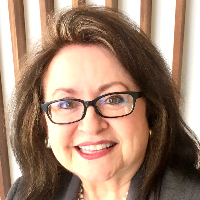
My name is Peggy Wilson, I have a Masters degree in Human Science with an emphasis on workplace behavior. I...
20 years experience Texas

I am licensed in Texas with 23 years of professional work experience. I have experience in helping clients with relationship...
23 years experience Texas

People who want to love and relate to their selves and others in a more healthy and secure way seek...
6 years experience Texas

I am credentialed in the UK with 11 years of professional work experience with clients. I work integratively with a...
11 years experience United Kingdom

Hi, I’m Penny, I am a registered member of the British Association for Counselling and Psychotherapy (www.bacp.co.uk) and I hold...
9 years experience United Kingdom

I am an integrative therapist, with a background in person-centred humanistic counselling and I am registered with the BACP. I...
3 years experience United Kingdom
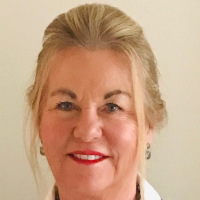
It takes courage to find the right counselor for you! As a seasoned therapist, I am licensed in the State...
30 years experience Florida

I am licensed in Missouri and Kansas with 35 years of professional work experience. I have experience helping clients who...
35 years experience Kansas

I am licensed in California with 20 years of professional work experience. I have experience in helping clients with stress,...
20 years experience California

I am credentialed in the UK with 12 years of professional work experience as a psychotherapist and have 18 years...
12 years experience United Kingdom

My name is Perla and I have been providing therapeutic services to individuals of ages 4 and older since 2017....
7 years experience California

Struggling with life’s transitions? My name is Perry Malzahn and I have 15 years of experience in helping clients of...
15 years experience Kansas

I am credentialed in the United Kingdom with 10 years of professional work experience. I have experience in helping clients...
10 years experience United Kingdom

Hi, I’m a qualified integrative psychotherapist who supports individuals feeling stuck, lost, or disconnected—especially those struggling with low self-worth, anxiety,...
3 years experience United Kingdom

Hello, My name is Pertina and I am a Licensed Clinical Social Worker with 13 years of experience. I would...
13 years experience New York

As a licensed therapist in Texas, I specialize in supporting individuals navigating complex emotional landscapes. My approach centers on helping...
5 years experience Texas

I understand that sometimes life can be a challenge! But with help and support, we can heal, change, and find...
7 years experience Illinois

Hi, My name is Petina. It is lovely to meet you and thank you for taking the time to check...
17 years experience United Kingdom

Hi, I’m Alena — a UKCP-registered Psychotherapist, Certified Transactional Analyst, and ICF-accredited Coach. I bring over 8 years of clinical...
8 years experience United Kingdom

I specialize in working with adults navigating anxiety, depression, life transitions, and family of origin issues. My particular passion lies...
10 years experience Virginia

I am credentialed in the UK with 3 years of professional work experience. I have experience in helping clients with...
3 years experience United Kingdom

I am qualified in the UK and I have experience in helping clients with stress and anxiety, relationship issues, trauma...
7 years experience United Kingdom

Hello! My name is Petrovnia McIntosh. I am a a licensed clinical social worker (LCSW) in the state of Wisconsin...
9 years experience Wisconsin

I am licensed in Oregon with 17 years of professional work experience. As a licensed psychotherapist who is also an...
17 years experience Oregon

I’m not perfect and don’t have all the answers. But I believe most people already hold what they need—we just...
14 years experience Georgia

I am a fully qualified, credentialled counsellor and I live in the South of the UK. I am a single...
3 years experience United Kingdom

I am licensed in the UK with seven years of professional work experience. I have experience in helping clients with...
7 years experience United Kingdom

Phil is the kind of therapist who brings a roadmap to healing and still makes room for detours. Serving Southeast...
3 years experience Alaska

Hello, my name is Phil a BACP registered counsellor with 14 years of experience. I have my own private practice...
14 years experience United Kingdom
I am a Social Worker credentialed in Australia with 35 years experience. I work with a wide range of clients...
35 years experience Australia

I am licensed in Texas with 20 years of professional work experience as a psychotherapist. I have experience in helping...
20 years experience Texas

I am licensed in Florida with 3 years of professional work experience. I have experience in helping clients with stress...
3 years experience Florida

A compassionate, empathetic and supportive individual. I have integrity and I’m authentic. I work with common mental health and have...
6 years experience United Kingdom

I have worked with people of all ages since 1981. I went to graduate school, earned an MSW in 1999,...
24 years experience Pennsylvania
Women and people who identify as women often face a unique set of life experiences and stressors that can affect mental and emotional well-being. Therapy for women’s issues focuses on areas such as reproductive and maternal health, relationships, identity and body image, caregiving stress, workplace challenges, trauma related to gender-based violence, and transitions like menopause or parenting. Online therapy can make it easier to find a clinician with relevant experience and a treatment style that fits your needs, while offering more flexibility around busy schedules and caregiving responsibilities.
“Women’s issues” is a broad term that covers many emotional, relational, and health-related concerns that disproportionately or uniquely affect women. These may include preconception and infertility stress, pregnancy and postpartum mood concerns, perimenopause and menopause adjustment, navigating intimate partner violence or sexual trauma, struggles with body image or eating concerns, balancing career and family, and coping with caregiving demands for children or aging relatives.
Therapy provides a confidential space to process feelings, build coping skills, and develop practical strategies for daily life. A therapist can help with symptom management like anxiety or insomnia, support through decision-making around reproductive choices, guidance in setting boundaries at work or home, and trauma-informed care for safety and emotional regulation. Therapy also helps identify patterns in relationships and behavior that may be contributing to distress, and supports long-term personal growth.
Many people seek therapy for women-specific concerns at major life transitions: planning a family, pregnancy, postpartum, returning to work, or facing menopause. Others come for help with chronic issues such as persistent low mood, anxiety, or difficulty managing stress from caregiving and household responsibilities.
Survivors of sexual assault, harassment, or intimate partner violence often look for trauma-informed therapists who understand the intersection of gender and safety. Work-related issues like discrimination, imposter syndrome, or balancing ambition with family expectations are frequent topics. Body image struggles and disordered eating also commonly bring people to therapy because of how they affect identity, self-esteem, and daily functioning.
Intersectional factors such as race, sexual orientation, socioeconomic status, immigration status, disability, and religious background shape each person’s experience. Finding a therapist who brings cultural sensitivity and specific knowledge about these intersections can be especially important.
Online therapy expands access to clinicians who specialize in women’s health concerns even if they are not local. This matters when you need someone knowledgeable about reproductive mental health, trauma-informed care, or culturally specific experiences, and such specialists may not be available nearby.
Remote therapy is often more compatible with caretaking schedules, breastfeeding or pumping needs, and work commitments because it reduces travel time and allows sessions to fit into brief windows between responsibilities. For those managing mobility limitations or living in rural areas, online therapy can be the most practical way to receive consistent care.
Online platforms can also increase privacy and discretion. You can join sessions from a space where you feel safe and reduce the risk of running into someone you know in a therapist’s office. For survivors of gender-based violence, being able to choose a private location and a clinician experienced with trauma can be an important part of feeling secure.
Online therapy offers greater convenience and flexibility than in-person therapy for many people. You avoid commuting and waiting rooms, which can make it easier to keep appointments and maintain momentum in care. The broader geographic pool of clinicians increases the likelihood of finding someone with specialized training in women’s health topics.
Online sessions can also reduce barriers related to childcare, physical mobility, and scheduling conflicts. For those who feel nervous about starting therapy, meeting from a familiar environment can make it easier to open up. That said, some people prefer the in-person setting for the in-room presence and body language cues; online therapy complements rather than replaces in-person care depending on what feels right for you.
The first step is usually an intake or consultation where the therapist asks about your current concerns, medical and mental health history, and goals for therapy. You can expect to discuss practical factors like session length, fee structure, cancellation policy, and emergency procedures.
Sessions may be via video, phone, or secure messaging. Therapists commonly use evidence-informed approaches such as cognitive behavioral therapy, interpersonal therapy, trauma-focused therapies like EMDR or TF-CBT, and supportive psychotherapy tailored to women’s health concerns. A trauma-informed therapist will prioritize safety, consent, and pacing that respects your comfort level.
Confidentiality rules apply to telehealth, though it helps to ask about how your data and communications are protected. Make sure you have a private, quiet place for sessions and a reliable internet connection. If you are in crisis or at risk of harm to yourself or others, follow the therapist’s emergency guidance and contact local emergency services if needed.
Look for clinicians who explicitly state experience with the specific concerns you have, such as perinatal mood disorders, trauma, reproductive health, or body image. Ask about training in trauma-informed care and approaches they use for treatment. Consider cultural competence and whether the therapist is affirming of your identity, including sexual orientation, race, religion, and gender expression.
Check practical fit as well: do their hours match your availability, do they offer video or text-based sessions if needed, and what is their fee or insurance policy? Many therapists offer a brief consultation; use that time to assess comfort level, communication style, and whether they seem collaborative about goals.
Because this is a directory, you can search for clinicians by specialty and read profiles to compare backgrounds and approaches. Trying a few different clinicians through short consultations can help you find someone who feels like a good match.
Reaching out for therapy can feel daunting, especially when managing competing responsibilities or uncertainty about where to start. You do not need to have everything figured out before you contact a therapist. A short call or message to ask about availability and approach is a reasonable first step.
Prepare a few questions ahead of time: ask about experience with the issues you’re facing, what a typical session looks like, and how they handle crises. Consider practical needs like scheduling around childcare or pumping, and be upfront about any cultural or identity considerations that matter to you.
Taking the first step is about experimenting and advocating for yourself. If a therapist does not feel like a good fit, it is okay to try another. Finding the right clinician can open the door to support, new coping strategies, and a stronger sense of agency around the challenges you’re facing.