
Persephone Moir
I am credentialed in the United Kingdom with 10 years of professional work experience. I have experience in helping clients...
10 years experience United Kingdom

You’ve taken an important step by seeking support, and this directory is a safe place to find clinicians experienced with self-harm. You’re in the right place to connect with professionals who will listen, respect your experience, and help you explore options.
Online therapy offers flexibility, privacy, and convenience, so you can meet from home on your schedule. Browse the therapists listed below to explore profiles and find someone who feels like a good fit for you.
I am credentialed in the United Kingdom with 10 years of professional work experience. I have experience in helping clients...
10 years experience United Kingdom

Hello, My name is Pertina and I am a Licensed Clinical Social Worker with 13 years of experience. I would...
13 years experience New York

Reaching out for support can feel really vulnerable, especially when you’ve been carrying things on your own for a long...
9 years experience Australia

My name is Cal. I trained to become a counsellor following a positive experience as a client. I know what...
6 years experience United Kingdom

I offer a safe, judgment-free space for people to explore whatever difficult experiences they may be going through. With over...
13 years experience United Kingdom

I am a Person Centred and Cognitive Behavioural Therapist, I have experience in working with clients with stress and anxiety,...
11 years experience United Kingdom

Hi, My name is Petina. It is lovely to meet you and thank you for taking the time to check...
17 years experience United Kingdom

Hi, I’m Alena — a UKCP-registered Psychotherapist, Certified Transactional Analyst, and ICF-accredited Coach. I bring over 8 years of clinical...
8 years experience United Kingdom

I am credentialed in the UK with 3 years of professional work experience. I have experience in helping clients with...
3 years experience United Kingdom

Hello! My name is Petrovnia McIntosh. I am a a licensed clinical social worker (LCSW) in the state of Wisconsin...
9 years experience Wisconsin

I am credentialed in the UK with 10 years of professional work experience. I have experience working with children and...
10 years experience United Kingdom

I am a fully qualified, credentialled counsellor and I live in the South of the UK. I am a single...
3 years experience United Kingdom

I am licensed in the UK with seven years of professional work experience. I have experience in helping clients with...
7 years experience United Kingdom

Phil Burns is a highly skilled and regarded counsellor with many years of experience in the field. Phil holds membership...
8 years experience Australia

Hello, my name is Phil a BACP registered counsellor with 14 years of experience. I have my own private practice...
14 years experience United Kingdom

Hello, my name is Philip Kemp, MBACP, and I am a qualified Humanistic counsellor and psychotherapist. Are you feeling low?...
4 years experience United Kingdom

I work with kindness, compassion, empathy, and will walk alongside you in your journey on a path to reclaiming happiness...
30 years experience Colorado

I am licensed in Florida with 4 years of professional community agency experience. I have participated in helping clients with...
4 years experience Florida

I am licensed in Texas with 20 years of professional work experience as a psychotherapist. I have experience in helping...
20 years experience Texas

I am a licensed therapist in California with a 10 years of professional experience. I specialize in assisting clients who...
10 years experience California

I am licensed in Georgia with 9 years of professional work experience. I work with my clients to create an...
10 years experience Georgia

A compassionate, empathetic and supportive individual. I have integrity and I’m authentic. I work with common mental health and have...
6 years experience United Kingdom

Phyllis lives in Colorado, where she enjoys the outdoors and beauty Colorado has to offer. Currently, she is a Licensed...
24 years experience Wyoming

I have had the privilege of working in many areas of the mental health field over the last 15 years,...
3 years experience Arizona
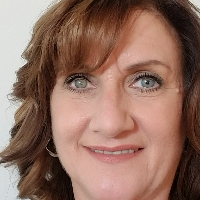
I am a Licensed Marriage and Family Therapist with more than five years experience in providing therapy for individuals, couples,...
5 years experience North Carolina

I am a qualified Integrative Therapist, licensed in the UK, with many years of professional experience. I work collaboratively with...
4 years experience United Kingdom

Hello. Welcome to my profile. I am a qualified psychodynamic psychotherapist based in London with 4 years of professional work...
4 years experience United Kingdom

Hi, I’m Piotr, and thank you for visiting my profile. I am a licensed integrative therapeutic counsellor and psychotherapist with...
9 years experience United Kingdom

As a licensed therapist serving clients in Illinois, I specialize in supporting individuals navigating complex emotional landscapes. My practice centers...
7 years experience Illinois

I am licensed in the UK with 5 years of professional work experience. I have experience in helping clients with...
5 years experience United Kingdom

I am licensed in the UK with 3 years of professional work experience. I have experience in helping clients with...
5 years experience United Kingdom

About me: I am a qualified therapist currently working online from South London. My service is client-focused and professional with...
6 years experience United Kingdom

I provide evidence-based, compassionate counselling and support to individuals and families across the lifespan. With extensive training in a range...
8 years experience Australia

I am an individual and family therapist licensed as a LCSW in the state of Louisiana. I have over 17...
19 years experience Louisiana

I am licensed in Maryland with 4 years of professional work experience. I have experience in helping clients with stress...
4 years experience Maryland

As a licensed therapist serving Alaska, I specialize in supporting individuals navigating complex life challenges. My approach centers on understanding...
9 years experience Alaska

I am licensed in Florida with 3 years of professional work experience. I have experience in helping clients with stress,...
3 years experience Florida

I am licensed clinical social worker in Missouri and Oregon, with over 5 years of professional and clinical work experience....
6 years experience Missouri

Life doesn’t always give us a warning before things get difficult, but I believe that even in the most overwhelming...
3 years experience Oklahoma

I am licensed in TX TN, AZ, and KY with 9+ years of professional work experience. I have experience in...
9 years experience Tennessee
Self-harm can feel isolating, confusing, and frightening for the person experiencing it and for loved ones trying to help. If you’re looking for a therapist who understands self-harm and can support you through urges, safety planning, and underlying emotional pain, online therapy expands your options and makes it easier to connect with clinicians who specialize in this area. This page explains what self-harm concerns often involve, how online therapy can help, and how to find a therapist who is a good match for your needs.
Self-harm refers to intentionally injuring oneself, often as a way to cope with overwhelming emotions, numbness, or distressing thoughts. People who self-harm may use cutting, burning, hitting, or other behaviors. For some, self-harm is a way to release tension or feel a sense of control. For others, it may be linked to traumatic experiences, depression, anxiety, or intense interpersonal stress.
Self-harm is a sign that someone is struggling and needs compassionate support. It is not a moral failing. Therapy can help identify emotional triggers, develop safer coping skills, and address the underlying issues that contribute to the behavior. If there is any concern about immediate danger, it’s important to reach out to emergency services, a local crisis line, or a trusted person right away.
People who self-harm often share certain worries and needs when seeking help. Many worry about stigma, judgment, or having their behavior misunderstood. Confidentiality is a major concern – clients want to know when a therapist will involve others for safety reasons and what that process looks like.
Another common need is learning practical tools to reduce urges and manage intense emotions without harming oneself. People may also seek therapy to understand the root causes of their behavior – such as past trauma, relationship problems, or mood-related symptoms – and to build a life where distress is more manageable.
Family members and partners may look for guidance on how to respond without increasing shame, how to encourage help-seeking, and how to support safety at home. Adolescents and young adults often need therapists who can work sensitively with parents, schools, and other supports while respecting the young person’s autonomy and privacy as appropriate.
Online therapy makes it easier to find clinicians with specific experience in treating self-harm. If local options are limited, teletherapy lets you search more broadly for therapists trained in approaches that are effective for self-harm, such as dialectical behavior therapy (DBT), cognitive-behavioral techniques, and trauma-informed care.
Online sessions can feel less intimidating than an in-person office visit. You can meet from a familiar, comfortable space, which may help you open up sooner. For people in rural areas, those with mobility challenges, or those juggling school and work, remote sessions remove barriers like travel time and scheduling conflicts.
Telehealth also allows for continuity of care during life transitions – moving cities, college breaks, or periods of limited transportation – so progress is less likely to be interrupted.
Online therapy offers several practical benefits while still allowing for high-quality care. It expands access to specialists who have experience with self-harm and related issues, increasing the chances of finding a strong therapeutic match. The convenience of attending from home reduces missed appointments and supports more consistent work on coping strategies.
Some people feel more comfortable disclosing difficult experiences when they are in their own space, which can accelerate therapeutic progress. For caregivers and family members, online sessions can make it easier to include them in joint sessions when that is helpful.
That said, in-person therapy may be preferable for those who value face-to-face interaction or need hands-on crisis support. For people at immediate risk, local, in-person resources and emergency services are critical. Online therapy is a powerful option for many people, but it should be chosen with attention to personal safety needs and the therapist’s remote crisis procedures.
The first few sessions typically involve an assessment where the therapist asks about the history of self-harm, triggers, frequency and methods, current supports, and any past treatments. You can expect a collaborative discussion about safety planning and immediate steps to reduce risk.
Therapists often work with clients to develop a safety plan – a personalized, nonjudgmental set of strategies for managing urges and identifying who to contact if distress escalates. Confidentiality and its limits will be discussed, including how the therapist handles situations where there is imminent risk of serious harm.
Evidence-based strategies for self-harm often include building emotion regulation skills, distress-tolerance techniques, problem-solving, and addressing underlying issues through trauma-focused or cognitive approaches. Therapy tends to be skill-focused and practical, while also exploring deeper patterns that contribute to self-injury.
When searching for a therapist, look for clinicians who explicitly list experience with self-harm, risk assessment, and safety planning in their profiles. Training in DBT, trauma-informed care, or adolescent mental health can be especially helpful, depending on your situation.
Consider practical factors such as licensure in your state or country, experience with telehealth, session availability, and whether the therapist works with your age group or cultural background. It’s okay to reach out with questions before booking a session – ask how they approach safety planning, what happens if you’re in crisis during a remote session, and how they involve family members when appropriate.
Trust your comfort level. A good therapeutic match includes feeling heard, not judged, and understood. Many therapists offer brief consultations so you can get a sense of their style and whether it feels like a fit.
Reaching out for help is a brave and important step. If you’re thinking about therapy, start by searching for therapists who list self-harm or related concerns in their profiles and offer online sessions. A short consultation call or message can help you decide who feels right for you.
If you are in immediate danger or feel that you might be unable to keep yourself safe, contact local emergency services or a crisis line right away. If you are in the United States and need immediate help, calling 988 connects you to the Suicide & Crisis Lifeline. If you are elsewhere, contact your local emergency number or a regional crisis service. If possible, let a trusted friend or family member know you’re struggling and ask them to stay with you until you’re safe.
Finding the right therapist can make a meaningful difference in how you cope with urges and build a safer, more manageable way of living. You do not have to navigate this alone – online therapy can connect you with experienced professionals who will work with you at your pace to reduce harm and support healing.