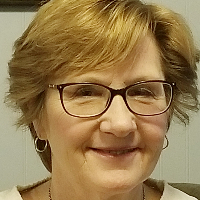
Mary Miller
I have been a Licensed Clinical Social Worker for 21 years working with individuals, couples, families and adolescents. I began...
21 years experience Indiana

Deciding to reach out is a strong step, and looking for postpartum depression therapists shows you’re prioritizing your wellbeing; you’re in the right place to find compassionate support.
Online therapy can make connecting easier with flexible scheduling, greater privacy, and the convenience of meeting from home. Browse the listings below to explore professionals ready to support you.
I have been a Licensed Clinical Social Worker for 21 years working with individuals, couples, families and adolescents. I began...
21 years experience Indiana
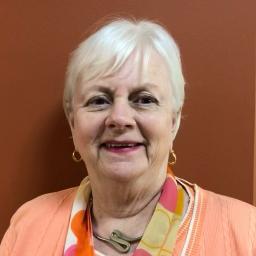
I am licensed in Michigan with 34 years of professional work experience. I have experience in helping clients with stress...
34 years experience Michigan

Hello and welcome to my counselling profile. I know it can be tough to choose a counsellor, especially if you...
7 years experience United Kingdom

Welcome to Counseling! I am delighted that you have chosen to embark on a journey towards greater well-being and fulfillment....
20 years experience Wisconsin

About Me: Mary is a Licensed Professional Counselor licensed in the State of Missouri and Texas with over 12 years...
12 years experience Texas

I’m a clinical social worker licensed in Alabama with 15 years of experience providing therapeutic support. My practice focuses on...
15 years experience Alabama

Welcome, My name is Mary Stein and I am a Licensed Marriage and Family therapist in California. I earned my...
27 years experience California

Hello, I am glad you are here! You are either taking the first step on your journey to wellness or...
16 years experience Virginia

I am a Licensed Clinical Social Worker practicing in Louisiana since 2012. I am a friendly person from a rural...
12 years experience Louisiana

Hi there, I’m Mary Beth! I am a licensed clinical social worker with 12 years of professional work experience. I...
12 years experience Minnesota

As a licensed therapist with nearly three decades of experience, I offer compassionate and comprehensive support across a wide range...
29 years experience New Hampshire

Hi! My name is Mary Walker. I have been dually licensed as a Mental Health Counselor and a Marriage and...
38 years experience Florida

I am licensed in California with 25 years of professional work experience. I have experience in helping clients with stress...
25 years experience California

Sometimes life feels overwhelming. Whether you’re struggling with relationships, grieving a loss, feeling anxious, or carrying the weight of past...
7 years experience United Kingdom

I am licensed in the UK with 7 years of professional work experience. I have experience in helping clients with...
10 years experience United Kingdom

I am licensed in Illinois with over 3 years of professional counseling experience, I specialized in trauma therapy which includes...
6 years experience Illinois

I am a Licensed Clinical Mental Health Counselor with over five years of counseling experience in the state of North...
5 years experience North Carolina

As a licensed therapist in Ohio, I bring over a decade of experience supporting individuals through complex emotional landscapes. My...
11 years experience Ohio

I am a licensed professional counselor and supervisor with twenty one years' experience working with individuals with Serious and Persistent...
23 years experience South Carolina

Working in professional counseling since 2016 with adult and youth populations, both in general mental health and substance use settings....
10 years experience Florida

I am licensed in Pennsylvania with 12 years of professional work experience. I have experience in helping clients with stress...
12 years experience Pennsylvania

I have my Nebraska LMHP 5395 and PLADC P2228 and Iowa LMHC 089650. I am currently paneled for Blue Cross/Blue...
10 years experience Iowa

My practice is rooted in understanding the unique intersections of mental health, personal growth, and overall well-being. I specialize in...
12 years experience Pennsylvania

Many of the individuals who come to see me are searching for a therapist they can connect with, someone they...
7 years experience Missouri

I am a Licensed Clinical Mental Health Counselor (LCMHC) and Licensed Clinical Addictions Specialist (LCAS) in the state of North...
4 years experience North Carolina

I am an LPC in NJ and have been working with individuals, families and couples for the past 13 years....
14 years experience New Jersey

I am licensed in California with 20 years of professional work experience. I have experience in helping clients with parenting...
20 years experience Texas

I specialize in trauma, grief, anxiety, depression, severe and persistent mental health problems, just like thousands of other therapists out...
12 years experience New York

I am licensed in Colorado, Idaho, Montana, Washington and Wyoming with 40 years of professional work experience. I have experience...
40 years experience Wyoming

I have been in the Mental Heath profession since 1983. I received my Masters Degree in 2007 though I have...
10 years experience Montana

I am licensed in Texas with 6 years of professional work experience. I have experience in helping clients with stress...
6 years experience Texas

I am a graduate of Bellevue University with a master’s degree in Clinical Counseling and a veteran who served in...
14 years experience Georgia

I am licensed in North Carolina with 4 years of professional work experience. I have experience in helping clients with...
4 years experience North Carolina

It takes a strong person to realize help is needed. I am glad you found the courage to seek support...
5 years experience Florida

As a licensed therapist in Florida with over two decades of experience, I specialize in supporting individuals through life’s complex...
26 years experience Florida

Hi, I’m Mayra. I’m a clinician who believes therapy should feel supportive, professional, and human, not stiff or intimidating. I...
3 years experience California

My name is Maysun and I am a Licensed Professional Counselor in Texas. I have had the honor of working...
8 years experience Texas

I am credentialed in the UK with 5 years of professional work experience. I have experience in supporting clients with...
5 years experience United Kingdom

Hello, I'm Meagan, a clinical social worker with over 6 years of experience. I received my MSW from the University...
6 years experience Georgia

I believe that healing happens in the context of safe, authentic relationships. My work as a Licensed Marriage and Family...
10 years experience California
Becoming a parent brings many changes—joy, fatigue, new responsibilities, and sometimes unexpected emotional pain. If you are feeling persistently sad, anxious, numb, or overwhelmed after the birth of a baby, you may be experiencing postpartum depression. Finding a therapist who understands perinatal mental health can make a key difference. This page explains what postpartum depression can look like, common concerns people bring to therapy, how online therapy can help, what to expect from virtual sessions, how online care compares to in-person therapy, and tips for finding the right therapist for your needs.
Postpartum depression is a mood disorder that can occur after childbirth. People may notice changes in mood, energy, appetite, sleep, concentration, or interest in activities they used to enjoy. Symptoms can range from mild to severe and may include intense worry or guilt, difficulty bonding with the baby, excessive crying, or intrusive thoughts. Postpartum depression can affect parents of any gender and can begin anytime in the weeks or months after delivery.
While feelings of sadness or “baby blues” are common in the days after delivery and often improve on their own, postpartum depression is more persistent and can interfere with daily functioning and caregiving. If you are experiencing symptoms that last longer than two weeks or are getting worse, consider reaching out to a mental health professional or your primary care provider for guidance. If you ever have thoughts about harming yourself or your baby, seek emergency care or contact crisis services right away.
People seek therapy for postpartum depression for a variety of reasons. Some want help managing pervasive sadness or anxiety so they can bond with their baby and function at home. Others struggle with sleep deprivation, returning to work, breastfeeding challenges, or the loss of prior identity and routines. Relationship stress with a partner or family members is also common, as is navigating expectations versus reality around parenting.
Many parents bring concerns about guilt, shame, or fear of being judged. They may worry that admitting they are struggling will make them appear like a “bad parent.” Therapy provides a confidential, nonjudgmental space to process those feelings, build coping strategies, and develop practical plans for daily care and rest. Therapy can also include partners or family members when appropriate, to improve communication and shared responsibilities.
Online therapy gives parents access to mental health professionals who specialize in perinatal and postpartum issues without the need to travel or arrange childcare. Video, phone, or secure messaging sessions make it easier to fit therapy into the unpredictable schedule of caring for an infant. For many people, the convenience of attending sessions from home reduces stress and increases the likelihood of consistent treatment.
Virtual therapy can focus on symptom management, building routines to support sleep and mood, addressing anxious or intrusive thoughts, improving partner communication, and helping with the transition back to work if desired. Therapists who work online often have experience with a range of approaches useful in postpartum care, including cognitive-behavioral techniques, interpersonal therapy, and mindfulness-based strategies.
Online therapy offers practical advantages that are particularly relevant for new parents. Eliminating commute time makes it easier to fit sessions into nap schedules or brief windows during the day. Virtual sessions remove the need to arrange transportation or childcare, which can be a major barrier to getting help.
Online therapy also expands choice. You can search for a provider who specifically lists experience with postpartum or perinatal mental health even if that provider is not nearby. This increases the likelihood of finding a therapist who understands your cultural background, language preferences, or specific needs related to breastfeeding, bonding, or family structure.
That said, in-person therapy may be preferred by some people for the face-to-face experience or when a provider and client both feel more comfortable meeting in person. Online therapy is not intended to replace emergency or medical care. For crisis situations or concerns requiring medical management, consult a healthcare provider or emergency services.
The first online session often focuses on assessment and getting to know your current situation: mood, sleep, appetite, supports, and immediate stressors. Your therapist will ask about your birth experience, medical history, and any past mental health issues to tailor a plan that fits your needs. Together you will set goals and decide on a therapy approach.
Subsequent sessions can include learning coping skills for anxiety and low mood, behavioral activation to regain pleasurable or necessary activities, communication strategies for partners and family, and relapse prevention planning. Some therapists provide short exercises or worksheets between sessions, and others offer asynchronous messaging to check in between scheduled appointments.
Sessions may be on video, phone, or text, depending on the therapist and the platform you use. Make sure your chosen therapist uses secure, confidential technology and that you have a private, comfortable space for sessions. Discuss session length, frequency, payment, insurance, and cancellation policies during the initial contact.
Look for therapists who list perinatal, prenatal, or postpartum experience on their profiles. Many therapists note specific training in perinatal mental health, and some have specialized certifications or additional coursework. If you have preferences around therapist gender, cultural background, or language, use those filters to narrow your search.
Consider approaches that are commonly used with postpartum depression, such as cognitive-behavioral therapy (CBT), interpersonal therapy (IPT), and mindfulness-based interventions. If medication is a consideration, you may want a therapist who collaborates with psychiatrists or your primary care provider, or who can refer you to a prescriber.
Read therapist bios, and don’t hesitate to contact a few to ask about their experience with postpartum issues, their approach to working with new parents, availability for sessions, and comfort including partners or family. Many therapists offer a brief consultation to help you decide if it feels like a good fit. As this site is a directory, you can use it to compare profiles and contact therapists directly.
Reaching out for help is a strong and important step. You do not need to wait until symptoms are unbearable to look for support. Start by searching for therapists who list postpartum or perinatal expertise, and consider whether online sessions will make help more accessible for your schedule and needs. A brief consultation call can help you assess comfort, approach, and logistics before committing to sessions.
If you are ever in immediate danger, or have thoughts of harming yourself or your baby, contact emergency services or a crisis hotline right away. For non-emergencies, finding a therapist who understands postpartum challenges can provide the guidance and practical support to help you feel more like yourself and better able to care for your baby and family.
Finding a therapist is a personal process. Take your time, trust your instincts, and remember that seeking help is a positive step toward health for you and your family.