
Matthew Powell
I am licensed in Maryland with 23 years of professional work experience. I have experience in helping clients with stress...
23 years experience Maryland

You’ve taken an important step by seeking support, and you’re in the right place to connect with professionals experienced in post-traumatic stress. You deserve care that feels safe and respectful, and this list is here to help you find someone who understands your needs.
Online sessions offer flexibility, privacy and convenience – allowing you to meet from home or a private space that works for you. Browse the listings below to explore profiles and take the next step when you’re ready.
I am licensed in Maryland with 23 years of professional work experience. I have experience in helping clients with stress...
23 years experience Maryland

Hi, my name is Matt and I’m an Integrative counsellor with 12 years post qualification experience. My aim is to...
13 years experience United Kingdom

I am licensed in California with 5 years of professional work experience. I have experience in helping clients with coping...
5 years experience California

I have my Nebraska LMHP 5395 and PLADC P2228 and Iowa LMHC 089650. I am currently paneled for Blue Cross/Blue...
10 years experience Iowa

I am licensed in Minnesota with 5 years of professional work experience. I have experience in helping clients with stress...
5 years experience Minnesota

What typically surprises people is that I am the 11th of 13 children - all from the same parents. Growing...
20 years experience Florida

I am licensed in Pennsylvania with 10 years of professional work experience. I have experience in helping clients with stress...
14 years experience Pennsylvania

Hello! I’m Matt and I am a Licensed Marriage and Family Therapist (LMFT) in Arizona and California. In my life,...
11 years experience Arizona

My practice is rooted in understanding the unique intersections of mental health, personal growth, and overall well-being. I specialize in...
12 years experience Pennsylvania

I am licensed in the UK with 5 years of professional work experience. I am adept at supporting clients with...
5 years experience United Kingdom

I am licensed in Virginia with 6 years of professional work experience. I have experience in helping clients with stress,...
6 years experience Virginia

Many of the individuals who come to see me are searching for a therapist they can connect with, someone they...
7 years experience Missouri

Hello! I’m Maudeen. I have been serving as a social worker since 1972 and as a counselor since 1990. I...
30 years experience Oregon

I am a Licensed Clinical Mental Health Counselor (LCMHC) and Licensed Clinical Addictions Specialist (LCAS) in the state of North...
4 years experience North Carolina
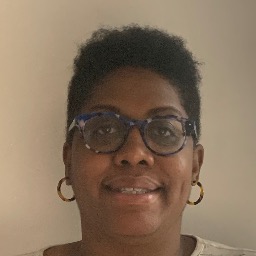
I am an LPC in NJ and have been working with individuals, families and couples for the past 13 years....
14 years experience New Jersey

I am licensed in Texas with 6 years of professional work experience. I have experience in helping clients with trauma...
10 years experience Texas

I specialize in trauma, grief, anxiety, depression, severe and persistent mental health problems, just like thousands of other therapists out...
12 years experience New York

I am licensed in New Mexico and Pennsylvania with 30 years of professional work experience. I have experience in helping...
30 years experience New Mexico

I am licensed Marriage and Family Therapist in New York with over 15 years of professional work experience. I have...
15 years experience New York
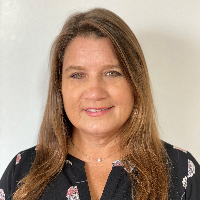
I am an LCSW specializing in life transitions, grief and loss. Having relocated 20 years ago to California from the...
10 years experience California

I am licensed in North Carolina with 21 years of professional work experience. I specialize in helping clients with OCD...
21 years experience North Carolina

I am credentialed in the United Kingdom with 4 years of professional work experience. I have experience in helping clients...
4 years experience United Kingdom

I am licensed in Washington with 30 years of professional work experience. I have experience in helping clients with stress,...
30 years experience Washington

I have been in the Mental Heath profession since 1983. I received my Masters Degree in 2007 though I have...
10 years experience Montana

I am a Licensed Clinical Social Worker in Washington State with extensive experience supporting individuals through a wide range of...
11 years experience Washington

I am a graduate of Bellevue University with a master’s degree in Clinical Counseling and a veteran who served in...
14 years experience Georgia

I have been in the mental health profession for over 10 years. I’ve worked in the school setting as a...
8 years experience South Carolina

Hello and welcome! I’m a Licensed Clinical Social Worker in Georgia with over 20 years of experience as a therapist...
20 years experience Georgia

I am a Licensed Clinical Social Worker (LCSW) based in Los Angeles, who has had over a decade experience working...
8 years experience California

I am a dedicated and compassionate registered counsellor committed to supporting individuals in navigating life’s challenges and improving their mental...
5 years experience Australia

Hi, I’m May. I specialise in building self esteem, assertive communication, managing anxious thoughts and depressive symptoms. My experience in...
8 years experience Australia

I am licensed in Florida, New York, Kentucky and Ohio with 7 years of professional work experience. I have experience...
7 years experience Florida

I am a passionate, caring licensed social worker with more than 15 years of experience providing direct advocacy and clinical...
15 years experience New York

I am licensed in North Carolina with 4 years of professional work experience. I have experience in helping clients with...
4 years experience North Carolina

Hi, I’m Mayra. I’m a clinician who believes therapy should feel supportive, professional, and human, not stiff or intimidating. I...
3 years experience California

I am licensed in Florida with 25 years of professional work experience. I have experience in helping clients with stress...
25 years experience Florida

Hello, I'm Mayra Tovar, a bilingual Licensed Clinical Social Worker. I know life can feel overwhelming at times, and reaching...
3 years experience Texas

I am a Licensed Clinical Social Worker (LCSW) in the state of New York with over 15 years of experience...
15 years experience New York

My name is Maysun and I am a Licensed Professional Counselor in Texas. I have had the honor of working...
8 years experience Texas

I am credentialed in the UK with 5 years of professional work experience. I have experience in supporting clients with...
5 years experience United Kingdom
Experiencing a traumatic event can change the way you feel, think, and relate to the world. If you’re living with post-traumatic stress, finding the right therapist is an important step toward feeling more safe, grounded, and able to function day to day. This page explains what post-traumatic stress involves, common concerns people bring to therapy, and how online therapy can help you connect with trauma-informed care from wherever you are.
Post-traumatic stress is a response that can follow exposure to one or more traumatic events, such as accidents, violence, disasters, medical crises, or prolonged stress like abuse or combat. Symptoms often include intrusive memories or flashbacks, avoidance of reminders, heightened anxiety or hypervigilance, negative changes in mood and thinking, and physical reactions like sleep problems or difficulty concentrating.
People use the term PTSD (post-traumatic stress disorder) when symptoms are persistent and significantly interfere with daily life, but not everyone affected identifies with that label. Whether you describe your experience as post-traumatic stress, trauma reactions, or PTSD, therapy aims to help you manage symptoms, process the experience if you wish, and rebuild a sense of safety and control.
People seek help for post-traumatic stress for many reasons. You might be dealing with recurring nightmares or flashbacks that make sleep difficult. You may find yourself avoiding places, people, or activities that remind you of the trauma. Relationships can become strained, with trust, intimacy, or anger issues emerging. Work, school, and day-to-day functioning may suffer because of concentration or energy problems.
Many also want help with co-occurring difficulties such as depression, panic, substance use, or chronic physical tension. Some are looking for ways to manage triggers and grounding strategies, while others want to work through the memory of the event in a safe, paced way. Cultural background, identity, and life stage can shape how trauma shows up and what kind of support feels most helpful.
Online therapy makes it easier to access therapists who specialize in trauma without needing to travel. If you live in an area with limited mental health resources or if mobility, caregiving, or work schedules make in-person appointments difficult, remote sessions can provide consistent care.
Online therapy offers flexibility in how you connect – by video, phone, or secure messaging – which can reduce barriers to starting and maintaining treatment. For some people, beginning therapy from the safety of home feels less intimidating than walking into an office. Therapists who work online can offer trauma-focused techniques, teach grounding and stabilization skills, and help you plan for safety between sessions.
Online therapy increases access to a wider pool of clinicians, making it easier to find someone with trauma-specific training or who shares your cultural background and values. This is particularly helpful when you want a therapist experienced in particular modalities, such as trauma-focused cognitive-behavioral therapy or EMDR.
Remote therapy can reduce practical burdens like commuting, childcare, and time off work. It can also offer continuity during life transitions or when travel is restricted. Many people find that the comfort and privacy of their own environment support openness in sessions.
That said, in-person therapy can be valuable for those who prefer face-to-face contact or who need additional supports that are easier to provide in person. Online therapy is a viable option for many, and for others a blended approach that includes occasional in-person meetings can also work well.
When you begin online therapy, the first sessions typically focus on getting to know you, learning about the traumatic event or events, assessing current symptoms and safety, and setting goals together. Your therapist should explain confidentiality limits for remote care and discuss privacy measures to protect your sessions.
Therapy may include teaching coping and grounding techniques to manage immediate distress, building skills for regulating emotions and sleep, and gradually working on trauma processing if and when you feel ready. Evidence-based approaches commonly used for trauma include trauma-focused cognitive-behavioral techniques, prolonged exposure, and EMDR, as well as somatic and mindfulness-based interventions. The pace and methods will be tailored to your needs and comfort level.
Expect regular check-ins about how the work is going and adjustments to the plan as needed. Your therapist may also suggest resources or supports you can use between sessions, and they should collaborate with you on safety planning if symptoms grow intense.
Finding the right therapist is a personal process. Look for clinicians who list trauma or post-traumatic stress as a specialty and who describe training in trauma-focused approaches. Certifications or additional training in EMDR, trauma-focused CBT, somatic experiencing, or related modalities can be helpful, but the therapist’s experience working with your type of trauma and their cultural competence may matter even more.
Consider practical factors such as availability, insurance or payment options, session length, and whether they offer video, phone, or messaging. Read therapist profiles and initial intake information, paying attention to how they describe safety, confidentiality, and crisis planning for remote care.
It’s okay to schedule initial consults with more than one therapist to find a good fit. Trust, feeling understood, and a sense of safety in the relationship are key components of effective trauma work. If a therapist’s approach or pace doesn’t feel right, you can look for someone whose style better matches your needs.
Reaching out for help with post-traumatic stress can feel daunting, but small steps can make a big difference. Start by clarifying what you most want help with – symptom relief, managing triggers, processing memories, or improving relationships – and use that to guide your search for a trauma-informed clinician.
When contacting a therapist, you can ask about their experience with post-traumatic stress, how they conduct online sessions, and how they handle safety and crises in remote therapy. Many therapists offer brief phone or video consultations to answer questions before you commit to regular sessions.
Remember that seeking therapy is a courageous act of self-care. Finding the right therapist may take time, but online therapy expands your options and can help you connect with the support you need from the place where you feel most comfortable. If you’re ready, look for a trauma-informed clinician who meets your needs and take that first step toward feeling more grounded and supported.