
Amy Wright
Hi there, I’m Amy, It can seem daunting starting counselling and/or choosing a therapist. I offer a space to explore...
14 years experience United Kingdom

LGBT-focused therapy supports people exploring gender and sexual identity, relationships, coming out, and coping with minority stress. An affirming therapist offers a safe space to process experiences and build resilience.
Online therapy can make accessing LGBT-affirming care easier – offering convenience, privacy, flexible scheduling, and access to culturally competent clinicians across distances. If you’re seeking support, consider reaching out; therapy can help you explore identity, improve relationships, and find coping strategies in a supportive, nonjudgmental environment.
Hi there, I’m Amy, It can seem daunting starting counselling and/or choosing a therapist. I offer a space to explore...
14 years experience United Kingdom

Hello, I’m Ana, a dedicated Person-Centred counselor and psychotherapist. My approach revolves around creating a safe, non-judgmental space for clients,...
3 years experience United Kingdom

As a licensed therapist in Illinois, I specialize in supporting individuals through life's complex challenges. My approach is deeply compassionate...
10 years experience Illinois

I am an integrated psychotherapeutic counsellor and use a variety of models depending on the issues you might bring to...
9 years experience United Kingdom

Hi, I’m Andie. I believe there is a powerful connection between what we believe about ourselves and how we respond...
16 years experience Texas

At times, in life, you can feel quietly disconnected - from yourself, from others, or from a sense of meaning...
3 years experience United Kingdom

I am credentialed in the UK as a member of the British Association for Counselling and Psychotherapy with a BSc...
5 years experience United Kingdom

Ready to Heal? Let’s Find Your Way Forward. If you are carrying the weight of being overwhelmed, feeling disconnected from...
9 years experience United Kingdom

I am credentialed in the UK with 3 years of professional work experience. I have experience in helping clients with...
3 years experience United Kingdom

I am credentialed in the United Kingdom with 5 years of professional work experience. I have experience in helping clients...
5 years experience United Kingdom

I am licensed in Montana with 14 years of professional work experience. I have experience in helping clients with stress...
14 years experience Montana

I am licensed in North Carolina with 10 years of professional work experience. I graduated from East Carolina University in...
10 years experience North Carolina

Hi and thank you for looking at my profile. I began my career as a befriender working with clients who...
25 years experience United Kingdom

I am licensed in the UK with 3 years of professional work experience as an integrative psychotherapist. I have experience...
3 years experience United Kingdom

I am a fully qualified person-centred Counsellor with over 20 years of experience,working as a therapist and mental health improvement...
20 years experience United Kingdom

As a licensed therapist in Tennessee, I specialize in supporting individuals navigating complex emotional landscapes. My practice centers on helping...
5 years experience Tennessee

I am licensed in the UK with 4 years of professional work experience. I have experience in helping clients with...
6 years experience United Kingdom

I am licensed in Texas with 8+ years of professional work experience. I have experience in helping clients with coping...
8 years experience Texas
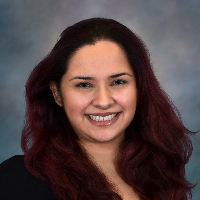
Hi! Thank you for taking the time to read my profile. My name is Angelique Fontaine, and I’m a Licensed...
4 years experience Maryland
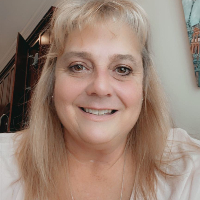
I received my Master’s degree in Social Work in 1994. Since that time, I have had opportunities to work with...
30 years experience Louisiana

I am licensed in the UK with 4 years of professional work experience. I have experience in helping clients with...
4 years experience United Kingdom

I am an integrative counsellor with a strong person centred underpinning. This means that while I draw on various therapeutic...
5 years experience United Kingdom

I am a compassionate and dedicated experienced therapist credentialed in the UK with over 10 years of experience working and...
8 years experience United Kingdom

I am licensed in Florida with 30 years of professional work experience. I have experience in helping clients with stress,...
30 years experience Florida

Hello, I am happy to introduce myself to you and look forward to working with you in order to help...
16 years experience Indiana

I am a licensed professional counselor and a licensed addiction specialist in North Carolina with more than 25 years of...
28 years experience North Carolina

I am licensed in the UK with 9 years of professional work experience. I have experience in helping clients with...
11 years experience United Kingdom

Anna Alberti, LMHC. 25 years of counseling experience. Let me assist you on your journey to a healthy mental health....
26 years experience Florida

Hello. My name is Anna and the thing I love most about counselling is the diverse mix of people that...
10 years experience United Kingdom

Hi, my name is Anna and I’m a qualified counsellor registered with the British Association of Counselling and Psychotherapy (BACP)....
3 years experience United Kingdom

A hard-working, caring, empathic, compassionate, and conscientious mental health counsellor, with a strong commitment to value the qualities of counselling...
8 years experience Australia

I have been a qualified therapist for 11 years. within that time I have helped people from all walks of...
12 years experience United Kingdom

I am a licensed Person Centred Therapist, I trained and qualified from a BACP accredited course in the UK. I...
13 years experience United Kingdom

I am licensed in Florida with 16 years of professional work experience. I have experience in helping clients with stress...
16 years experience Florida

I am licensed in the UK with 8 years of professional work experience. I have experience in helping clients with...
8 years experience United Kingdom

I am a Psychodynamic Psychotherapist with 15 years of professional work experience. I am here to provide a non-judgemental, safe...
15 years experience United Kingdom

I am licensed in Georgia with 11 years of professional work experience. I have experience in helping clients with lgbtq+...
11 years experience Georgia

I am licensed in Colorado with 7 years of professional work experience. I have experience in helping clients with stress,...
7 years experience Colorado

I began working in the field at a VA Hospital Indiana psychiatric unit at the age of 18. I was...
46 years experience Indiana

My name is Arturo Oaxaca and I speak both English and Spanish. I graduated with a Masters in Psychology from...
11 years experience Texas
LGBT stands for lesbian, gay, bisexual, and transgender. The term is often used broadly to include people with diverse sexual orientations and gender identities, including queer, questioning, intersex, asexual, nonbinary, and other identities. Each person’s experience is unique – identity, culture, family background, and life stage all shape how someone experiences their sexuality and gender.
Many people seek support to explore identity, cope with stigma or discrimination, navigate relationships, manage family dynamics, or address mental health concerns. Online therapy – sometimes called teletherapy or virtual therapy – offers a flexible way to connect with clinicians who specialize in LGBT-affirming care.
People seeking help around LGBT-related issues often describe a mix of emotional, social, and practical concerns. Some common signs that professional support could be helpful include:
These experiences are common and valid. Therapy can offer a confidential space to process them and learn coping strategies – although outcomes vary by person and are not guaranteed.
Online therapy can be particularly helpful for LGBT individuals for several reasons. It increases access to therapists who explicitly identify as LGBT-affirming or who specialize in queer and trans care. That increased choice matters when finding a clinician who understands your lived experience and respects your pronouns and identity.
Virtual sessions can support a range of goals – exploring identity, processing coming out, coping with minority stress, working on relationship skills, managing anxiety or depression, and planning for transition-related steps. Common therapeutic approaches used in online settings include affirmative therapy, trauma-informed care, cognitive-behavioral strategies, and family systems work.
Because online therapy removes geographic limits, you can search for clinicians with specific expertise – for example, adolescent queer therapy, trans-affirming care, or couples counseling for same-sex partners. This targeted matching often leads to a better therapeutic fit.
Both online and in-person therapy have value. Here are some advantages of online therapy for LGBT clients:
In-person therapy may offer benefits like in-person rapport and nonverbal cues. However, for many LGBT people – especially those in rural areas, those with limited local options, or those prioritizing anonymity – online therapy offers key advantages that make seeking care more feasible and comfortable.
Initial sessions usually begin with intake questions about your background, reasons for seeking help, and goals. Your therapist will discuss confidentiality, session format, scheduling, and fees. Expect conversations about pronouns, identity language, support systems, and immediate concerns.
Formats vary – live video is common because it preserves face-to-face interaction, but some people prefer phone sessions or in-app messaging for parts of therapy. Therapists often assign practice exercises or communication tasks between sessions, and may provide resources for coming out, legal name or gender marker changes, or community support.
Technology checks – like testing your camera and microphone – are a normal part of the first appointment. Therapists should also clarify what to do in emergencies and whether they have local referral options if you need in-person services.
As a directory, we list therapists so you can find a clinician who fits your needs. We do not provide therapy ourselves. When searching, consider these factors:
Helpful questions to ask a prospective therapist include: How do you approach LGBT-affirming care? What experience do you have with gender transition support? How do you handle confidentiality and safety in teletherapy? Avoid therapists who suggest conversion practices or who pathologize identity.
Taking the first step toward therapy can feel intimidating. Here are practical tips to get started:
Reaching out for support is a strong and courageous step. If you need immediate help or are in danger, contact local emergency services or crisis resources. Otherwise, use the directory tools to search for an LGBT-affirming online therapist, schedule a consultation, and take it one step at a time.
If you have questions about using this directory or how to find LGBT-friendly teletherapy options, our resources can guide you to clinicians who prioritize respect, confidentiality, and affirmative care.