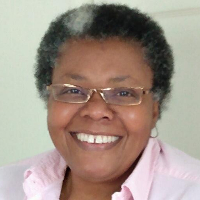
Cherie Taylor
As a licensed therapist serving Virginia, I specialize in supporting individuals navigating complex emotional landscapes. My practice centers on empowering...
9 years experience Virginia

Choosing to seek support is a strong step, and you’re in the right place to connect with jealousy therapists who can help you navigate your feelings with compassion and clarity. You deserve respectful, practical help as you move forward.
Online sessions offer flexibility, privacy, and convenience – making it easier to find care that fits your schedule and comfort. Browse the listings below to explore clinicians available to support you, and take the next step when you’re ready.
As a licensed therapist serving Virginia, I specialize in supporting individuals navigating complex emotional landscapes. My practice centers on empowering...
9 years experience Virginia

CJ Medina, here. I am a trauma-informed Licensed Clinical Social Worker (LCSW) in California and Colorado who has worked with...
15 years experience Colorado

I am a trained counsellor with over three years of knowledge and experience delivering therapy to clients suffering from depression,...
6 years experience United Kingdom

Currently my therapy plans are focused on female clients only. The foundation of my therapeutic approach is a combination between...
10 years experience Texas

If I could write a letter to my younger self, I would tell her this: You are not broken. You...
8 years experience Ohio
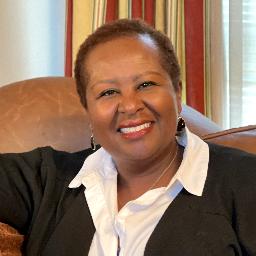
I am licensed in Louisiana and Texas with 15 years of professional work experience. I have experience in helping clients...
15 years experience Louisiana

As a dedicated and experienced psychotherapist holding a license as a Marriage and Family Therapist (LMFT), I am deeply committed...
12 years experience California

From what I’ve observed personally, therapy is useful to anyone who is human. Why should you talk to a therapist...
17 years experience New Jersey

I am credentialed in the UK with 3 years of professional work experience as a Counsellor and 25 years in...
3 years experience United Kingdom

I am licensed in Alabama with 3 years of professional work experience. I have experience in helping clients with stress...
3 years experience Alabama

I am licensed in North Carolina with over ten years of professional work experience in the mental health field. I...
10 years experience South Carolina

I have worked as a therapist for about 30 years==with a private company, with a Job Corps, and with a...
27 years experience Montana

I am licensed in the UK with 20 years of professional work experience. I have experience in helping clients with...
20 years experience United Kingdom

Hello, my name is Cheryl Osler. I received my Bachelor of Nursing from Seattle Pacific University, a master’s in community...
10 years experience Washington

Welcome to BetterHelp! Reaching out for help is often the first and most difficult step to initiating change in our...
19 years experience Pennsylvania

Hello welcome to Betterhelp, my name is Cheryl I am credentialed therapist based in the UK with 4 years of...
4 years experience United Kingdom

I am licensed in Wyoming with 17 years of professional work experience. I have experience in helping clients with stress...
17 years experience Wyoming

I am an Integrative counsellor which means I work in a variety of different ways. No two people are going...
6 years experience United Kingdom

I am licensed in New Jersey with 5 years of professional work experience. I have experience in helping clients with...
5 years experience New Jersey

I am a licensed certified(clinical) social worker in Mississippi, with over 14 years of experience working with adults as a...
13 years experience Mississippi

I am licensed in California with 4 years of professional work experience. I have experience in helping clients with relationship...
4 years experience California

I’m a warm, compassionate BACP registered counsellor in the UK with over 12 years of experience supporting people through life’s...
3 years experience United Kingdom

I am licensed in North Carolina with 5 years of professional work experience. I believe everyone deserves to feel heard,...
5 years experience North Carolina

Hi, I am Chloe and am trained and have practiced in the United Kingdom with 3 years of professional counselling...
3 years experience United Kingdom

I am licensed in Pennsylvania and Texas with 35 years of professional work experience. I have experience in helping clients...
35 years experience Pennsylvania

My name is Chris Freeman-Clark and I am an independently licensed clinical social worker with a supervisory designation with over...
21 years experience Ohio

Take the First Step Toward a Happier, More Fulfilling Life. Are you feeling overwhelmed by stress or anxiety? Struggling to...
27 years experience Alabama

I am a therapist with 5 years of experience ( consisting of more than 3000 sessions), during which I have...
5 years experience United Kingdom

Many of us, at times, find parts of our lives very difficult - sometimes overwhelming. It takes courage to face...
3 years experience United Kingdom

Welcome to my Better Help profile. I’m Chris Stavri, BACP, Accredited an experienced psychotherapist and author of the self-help book...
22 years experience United Kingdom

I am licensed, degree level qualified therapist based in the UK. My training is Integrative - Relational, which means I...
4 years experience United Kingdom

I am licensed in Texas with 15 years of professional work experience. I have experience in helping clients with stress...
15 years experience Texas

I am a professional counselor licensed in the state of South Carolina with over 15 years of experience working as...
15 years experience South Carolina

Hi! My name is Christa and I am a mental health therapist in New York with 20 years of experience....
18 years experience New York
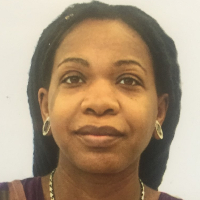
Greetings to you! My core value as a therapist is that all clients deserve unconditional support and service. I am...
4 years experience Texas

Hello there and welcome to Bettterhelp! My name is Christal and I would love to welcome you to this platform....
8 years experience Florida

Christen Thompson, LMHC, has spent over 20 years striving to grow, evolve, and understand how her past experience affects her...
9 years experience Florida

Hi my name is Christi Tilley and I am an Independent Licensed Social Worker in the state of Ohio with...
10 years experience Ohio

Hi my name is Christi Tilley and I am an Independent Licensed Social Worker in the state of Ohio with...
10 years experience Ohio

Hi my name is Christian Cannon LMHC. I am licensed in Florida with 17 years of professional work experience. I...
15 years experience Florida
Jealousy can feel confusing, intense, and embarrassing. It shows up in romantic relationships, friendships, work settings, and family dynamics. Therapy can help you understand where jealous feelings come from, learn healthier ways to respond, and rebuild trust with yourself and others. Finding a therapist who understands jealousy and the patterns that drive it is an important first step toward feeling more secure and in control.
Jealousy is a natural emotion that emerges when we perceive a threat to something we value—often a relationship, status, or sense of belonging. It is different from envy, which is wanting what someone else has. Jealousy usually involves fear of loss, insecurity, and a mix of anger, sadness, and anxiety.
Jealous feelings can be triggered by current relationship events, personal insecurities, past betrayals, attachment patterns developed in childhood, or social comparisons. For some people jealousy reflects a realistic risk; for others it becomes excessive and gets in the way of intimacy and daily functioning.
Persistent worry about a partner’s fidelity, repeated checking of phones or social media, frequent accusations or mistrust, difficulty being apart, or avoidance of relationships out of fear of being hurt are signs that jealousy is having a negative impact. Jealousy can also lead to arguments, emotional withdrawal, or behaviors that damage relationships.
Working with a therapist can help you identify the difference between proportionate concern and patterns that are harmful or out of alignment with your values.
People seek therapy for jealousy for many reasons. Sometimes it follows an infidelity or breach of trust. Other times jealousy is tied to low self-esteem, past trauma, or attachment wounds that make people feel chronically unsafe in relationships.
Jealousy can appear in monogamous and non-monogamous relationships, in friendships where a bond feels threatened, or at work when colleagues receive attention or opportunities. It may also show up around social media, where limited context and idealized portrayals intensify comparisons.
Therapy helps address the emotional impact—anxiety, anger, guilt—and practical relationship consequences like conflict, controlling behavior, or avoidance. Couples may choose joint sessions to rebuild trust, set boundaries, and improve communication while individuals often work on emotion regulation and self-worth.
Online therapy offers a flexible, private environment to talk about jealous feelings without the added stress of commuting or scheduling constraints. You can meet with a therapist from the privacy of your home or another safe space, which can make it easier to open up about sensitive topics.
Online formats allow you to access therapists with particular expertise—such as relationship counseling, attachment-focused therapy, or cognitive-behavioral approaches—who may not be available locally. If jealousy feels tied to cultural, identity, or life-stage factors, finding a therapist who understands your background is often easier online.
Therapy sessions over video, phone, or text can include skills training for managing intrusive thoughts, role-play to practice conversations with a partner, and tailored exercises to build trust and self-compassion between sessions.
Online therapy offers several practical advantages. It reduces travel time and logistical barriers, which can help you maintain consistency—an important factor in making progress. Many people report feeling more comfortable in their own environment, which supports honesty and openness during sessions.
Accessibility is another plus: online therapy can bridge geographic gaps, making it possible to work with clinicians who have specific training in relationship issues or jealousy-related concerns. Flexible scheduling, including evening or weekend appointments, can fit work and family life more easily than in-person appointments.
While in-person therapy can provide face-to-face presence that some people prefer, online options make seeking help more feasible and can offer comparable therapeutic connection and outcomes for many clients.
Initial sessions typically focus on building rapport and understanding the story behind the jealousy—triggers, patterns, and goals for therapy. Your therapist will assess whether individual work, couples sessions, or a combination is most helpful.
Therapeutic approaches may include cognitive-behavioral strategies to challenge unhelpful thoughts; emotion-focused techniques to process underlying fears; attachment-based work to explore relationship templates; communication skills training for difficult conversations; and mindfulness or stress-reduction tools to manage intense reactions.
Expect homework between sessions—journaling, communication experiments with a partner, behavioral exposures to tolerated separations, or exercises to strengthen self-worth. Progress can be gradual, and a therapist will help you set realistic goals and measure change in ways that feel meaningful.
Look for therapists who list relationship concerns, jealousy, or attachment issues among their specialties. If you want couples work, search specifically for clinicians experienced in couples therapy. If jealousy connects to trauma or childhood experiences, a therapist with trauma-informed training may be a good fit.
During an initial consultation, ask about the therapist’s approach to jealousy, experience with similar cases, session format (individual vs. couples), and policies on confidentiality and communication between sessions. You can also ask how they measure progress and what kinds of homework or behavioral experiments they typically use.
Cultural fit matters. Choose someone who respects your background, values, and preferences. Practical factors like licensing (for teletherapy across state or country lines), availability, and cost are important too. Many clinicians offer a brief introductory call to help you decide if their style feels right.
Admitting jealousy feels difficult, but seeking help is a strong and constructive step. You do not have to manage intense feelings on your own or accept patterns that make you unhappy. Finding a therapist who understands jealousy and how it shows up in your life can open the door to clearer thinking, improved relationships, and greater emotional balance.
Start by searching for therapists who list relationship issues, jealousy, or attachment work as specialties. Schedule a short consultation to describe your concerns and ask questions about approach and fit. Remember that the first therapist you try may not be the perfect match, and it’s okay to meet with a few clinicians before deciding.
Small steps—booking an introductory session, writing down your goals, or having one honest conversation using a communication skill learned in therapy—can begin to shift patterns. You don’t need to wait until things are “bad enough” to get support. Reaching out now can prevent future harm and help you build more secure, trusting connections.