
Melody Hamilton
My name is Melody and I have been in this field for 9 years. I have my Bachelor's in Social...
7 years experience Ohio

You’ve taken an important step by reaching out for support, and you’re in the right place to find domestic violence therapists who can listen, validate your experience, and help you consider options.
Online sessions offer flexibility – you can meet from home, protect your privacy, and fit care around your life. Browse the listings below to explore professionals ready to support you at your pace.
My name is Melody and I have been in this field for 9 years. I have my Bachelor's in Social...
7 years experience Ohio

Hello, My name is Melody LeVane. I have been a licensed therapist in Texas for over 15 years. I graduated...
15 years experience Texas

Do you struggle with anxiety, depression, grief, a challenging relationship, loss of a sense of self or even talking down...
22 years experience Texas

I am a fully qualified integrative Counsellor and psychotherapist who is registered with the BACP (the professional body for counsellors)....
5 years experience United Kingdom

I believe in incorporating an integrative, holistic approach to wellness, acknowledging the role of mind, body, and spirit in the...
3 years experience Pennsylvania

Melvin Barnes, LCSW, ACSW, ACHP-SW, BCD, has more than 37 years of clinical and administrative experience in the fields of...
37 years experience Florida

I am licensed in Michigan with 9 years of professional work experience. I have experience in helping clients with relationship...
12 years experience Michigan

Hi, and welcome! I’m a credentialed professional in Australia with six years of experience supporting individuals through life’s challenges. I...
6 years experience Australia

I am licensed in Nebraska with 3 years of professional work experience. I have experience in helping clients with stress,...
3 years experience Nebraska
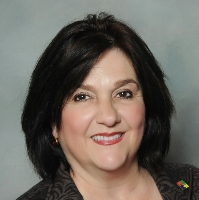
I am a licensed clinical social worker in the state of Florida , with over 12 years of experience providing...
12 years experience Florida

Welcome to BetterHelp! My name is Meredith Fiedler. I am a Licensed Clinical Social Worker and a Certified Clinical Telemental...
13 years experience Florida

My passion stems from this belief: All people have the power and potential to figure out how to best live...
7 years experience North Carolina

I am a Licensed Mental Health Counselor with over ten years experience counseling individuals of all ages, including specialization with...
10 years experience New York

I am licensed in Pennsylvania with 11 years of professional therapy experience. However, I have been working in the social...
11 years experience Pennsylvania

I am credentialed in the UK with 3 years of professional work experience. I have experience in helping clients with...
3 years experience United Kingdom

I am licensed in Michigan with 6 years of professional work experience. I have experience in helping clients with stress...
6 years experience Michigan

I am licensed in California and Texas with 10 years of professional work experience. I have experience in helping clients...
10 years experience Texas

Life brings us experiences which cause us stress, stretch our capacity to cope. We respond with depression and anxiety often...
44 years experience New Mexico

I am licensed in the UK as a counsellor/therapist and hypnotherapist. I have experience in helping clients with stress and...
4 years experience United Kingdom

I am a Licensed Clinical Social Worker with 37 years of experience. I have worked in a wide variety of...
40 years experience Virginia

I am a qualified counsellor in the UK and a member of the National Counselling Society. I work integratively which...
3 years experience United Kingdom
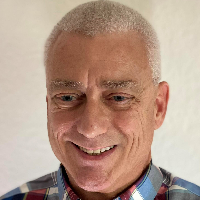
I am a licensed clinical social worker living in Florida with over 15 years of experience working as an individual,...
19 years experience Florida

Is ADHD making you feel overwhelmed, emotionally tangled, or like you’re falling short no matter how hard you try? You’re...
5 years experience United Kingdom

Hi, I’m 𝗠𝗶𝗰𝗵𝗮𝗲𝗹 𝗘𝗹𝘄𝗮𝗻 - a therapist, social worker, and mental health advocate based in Australia. For over 15 years,...
15 years experience Australia

I am licensed in Texas with 11 years of professional work experience. I have experience in helping clients with stress...
9 years experience Texas

I am licensed in California with 20 years of professional work experience. I have experience in helping clients with stress...
20 years experience California

I am licensed in the UK with 3 years of professional work experience. I have experience in helping clients with...
4 years experience United Kingdom

From my perspective, the “talk” in talk therapy is only useful as a tool to reach deeper emotions. Depth therapy—the...
5 years experience United Kingdom

I am Licensed Marriage and Family Therapist in California with 17 years of professional work experience. I work with my...
17 years experience California

Staying sane in an increasingly crazy, stressful world. Quite a challenge! My vision of therapy is solution-focused, goal-oriented. I am...
36 years experience South Carolina

My name is Michael Hutchinson, I go by Hutch, and I am a Licensed Mental Health Counselor in the State...
6 years experience Florida

I am licensed in Alabama with 4 years of professional work experience. I have experience in helping clients learn to...
4 years experience Alabama

As a licensed therapist with extensive experience in Michigan, I specialize in supporting individuals navigating complex emotional landscapes. My professional...
25 years experience Michigan

I am a professional counselor with 10 years of experience in a wide variety of areas. I am happy to...
10 years experience Georgia

I’m a dual-licensed clinician (LPC and LMHC) with 15 years of experience helping individuals navigate life’s challenges. After earning my...
15 years experience Pennsylvania

For the last 5 years, I have been in clinical practice with individuals and families in New York City. Before...
5 years experience New York

As a therapist my goal is to assist people with making practical changes in their lives. Making therapeutic progress can...
15 years experience Maryland

I am a marriage and family therapist licensed in California and Texas with over 10 years of experience working in...
9 years experience California

I am credentialed in the United Kingdom with 3 years of professional work experience. I have experience in helping clients...
3 years experience United Kingdom

I’m a Clinical Psychologist with over 10 years of experience working with children, adolescents, and adults. I support people facing...
10 years experience Australia
If you are coping with current or past domestic violence, finding the right support can feel overwhelming. Therapy focused on domestic violence addresses the emotional, psychological, and practical effects of abuse. Online therapy makes it easier to connect with trauma-informed clinicians who understand safety planning, recovery from coercive control, and rebuilding trust and self-worth after abuse.
Domestic violence is a pattern of behaviors used by one person to gain power and control over another in an intimate or household relationship. It can include physical harm, threats, emotional abuse, verbal attacks, financial control, sexual coercion, stalking, or isolation from supports. The effects of domestic violence often go beyond visible injuries. Survivors commonly face anxiety, depression, post-traumatic stress symptoms, difficulties with relationships, sleep problems, and challenges with work or school.
Because domestic violence affects many areas of life, therapy often focuses on safety and stabilization first, then on processing trauma, rebuilding a sense of agency, and strengthening coping skills. Family circumstances, parenting responsibilities, legal matters, and cultural factors can all shape the needs of someone seeking support.
People seek help for domestic violence under many different circumstances. Some are still in a relationship where abuse is occurring and need help assessing immediate safety or planning next steps. Others are no longer in the abusive relationship and want support processing complex feelings like guilt, shame, anger, grief, or loneliness.
Survivors may need help with trauma symptoms such as intrusive memories, hypervigilance, or avoidance. They may also want assistance with boundary-setting, building a support network, parenting after abuse, navigating restraining orders or custody questions, and restoring confidence in communication and intimacy.
Therapy can also support loved ones—family members or friends—who are worried about someone experiencing domestic violence and want guidance on how to offer help without enabling or increasing risk.
Online therapy expands access to clinicians who specialize in trauma and domestic violence, including providers who may be geographically distant but experienced in specific cultural or language needs. Finding a therapist online means you can search for trauma-informed, survivor-centered clinicians and schedule sessions that fit your daily life.
For people who are isolated by an abusive partner or who lack transportation, online therapy can be a lifeline. It allows connection from a private location and reduces barriers like childcare or long commutes. Some people find it easier to open up in a familiar environment rather than an office setting.
Online therapy also allows for continuity of care if you relocate or need to change schedules. It can be a first step toward safety planning and connecting you with community resources, legal referrals, or crisis services when appropriate.
Online therapy offers flexibility and convenience. You can attend sessions from home, a trusted friend’s house, or another safe space, which can be especially helpful if your daily routine is restricted or unpredictable. Flexible scheduling helps parents, shift workers, and people managing multiple responsibilities to prioritize care.
Online care can increase privacy and reduce stigma for those who prefer not to be seen entering a therapist’s office. It also widens your options for finding a clinician with specific expertise in domestic violence, trauma-processing approaches, or culturally competent care that aligns with your identity and values.
While in-person therapy provides face-to-face contact that some people prefer, online therapy is a viable, evidence-based option for trauma work and is particularly useful for removing practical barriers to getting help.
The first few sessions typically focus on safety, immediate needs, and building trust. A clinician will ask about your current situation, immediate risks, support network, and any urgent needs such as housing, medical care, or legal protection. If you are in immediate danger, a therapist should help you identify emergency resources and encourage contacting local emergency services or a local domestic violence hotline.
Therapeutic approaches may include trauma-informed cognitive-behavioral strategies, skills for managing anxiety and flashbacks, grounding techniques, and work on self-compassion and identity rebuilding. For some people, structured trauma therapies like trauma-focused cognitive-behavioral therapy or EMDR can be useful, provided the clinician is experienced and you feel ready to process traumatic memories.
Confidentiality and privacy are important in online therapy. A therapist should explain how sessions are secured, discuss limits to confidentiality (such as reporting imminent danger), and collaborate with you on how to communicate safely if you are still in a risky situation.
When searching for a therapist, look for clinicians who list trauma-informed care, domestic violence, intimate partner violence, or related specialties. Consider clinicians who have experience with safety planning, working with survivors, and coordinating with community resources like shelters or legal advocates. Cultural competence, language match, and experience with family or child-involved cases may also matter to you.
Before committing to ongoing sessions, ask potential therapists about their experience with domestic violence cases, their approach to trauma work, how they handle emergency situations, and how they protect privacy. It’s appropriate to ask how they structure online sessions, whether they offer flexible scheduling, and how they coordinate with other professionals you may be working with.
Trust your instincts. A therapist who listens without judgment, respects your choices, and works collaboratively on safety and goals is generally a good fit. If the first therapist you try doesn’t feel right, it’s okay to find someone else—finding the right match can make a big difference.
Reaching out for help is a courageous step. You don’t have to have everything figured out to start therapy. Finding a therapist is about taking one manageable action toward support—searching a directory, scheduling a consultation, or contacting a crisis line if you are in immediate danger.
If you are currently unsafe, prioritize immediate safety and contact local emergency services or a domestic violence hotline. When you’re ready to search for ongoing support, look for trauma-informed clinicians who can help you create a safety plan, address trauma symptoms, and support long-term recovery. Online therapy can make that connection easier and more accessible.
Whatever your situation, you deserve care that honors your experience and helps you move toward safety, healing, and agency. Finding a therapist who understands domestic violence and offers respectful, practical support can be an important step on that path.