
Dr. Ashley Mitich
I am licensed in Illinois with 14 years of professional work experience. I have experience in helping clients with stress...
14 years experience Illinois

You’ve taken an important step seeking support, and you’re in the right place to connect with compassionate therapists experienced with attachment issues. You deserve care that respects your pace and priorities.
Online sessions offer flexibility, privacy and convenience – you can meet from home or on the go. Browse the listings below to explore professionals and choose someone who feels like a good fit for you.
I am licensed in Illinois with 14 years of professional work experience. I have experience in helping clients with stress...
14 years experience Illinois

Hi! My first name “Audni” is pronounced “Audnee,” not to be confused with “Audrey” or “Audi,” the automobile. Since we...
20 years experience Texas

Hello! My name is Augustine and some people call me Dr. B. I am a family and marriage counselor licensed...
22 years experience New Jersey

Greetings! My name is Avis and I am a Licensed Professional Counselor and Supervisor in the state of Texas. I...
15 years experience Texas

I am licensed in Florida with 32 years of professional work experience. I have experience in helping clients with stress...
32 years experience Florida

I am licensed in Maryland with 10 years of professional work experience. I have experience in helping clients with relationship...
14 years experience Maryland

Hello, I am Dr. Bard Schatzman, Licensed Psychologist in both Missouri and Arizona. I have worked for many decades as...
45 years experience Arizona

Welcome! I am a National Certified Counselor (NCC), a Licensed Professional Counselor (LPC), a Clinical Certified TeleMental Health Professional (CTMH)...
25 years experience Tennessee
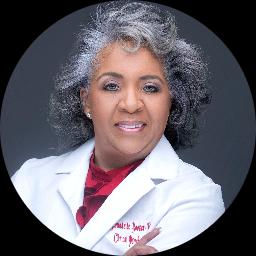
I am a licensed clinician with extensive experience working with diverse adult populations. My clinical focus includes individuals who have...
30 years experience Maryland

I am credentialed in the UK with 13 years of professional work experience. I have experience in helping clients with...
13 years experience United Kingdom

Bette Smyth, PH.D., LPC Life is unpredictable and can feel overwhelming, even scary. We need skills to embrace life’s challenges...
35 years experience Texas

As a licensed therapist in Illinois, I bring over 15 years of dedicated experience supporting individuals navigating complex emotional landscapes....
16 years experience Illinois

I am a family and marriage therapist licensed in Tennessee with over ten years of experience in mental health. I...
14 years experience Tennessee

Brannon Pruet has been working in the mental health field across the United States for the past twenty-six years. Moving...
3 years experience Colorado

Dr. Brenda Bridges has spent her life using her own personal and career experiences to help individuals overcome challenges and...
12 years experience Texas
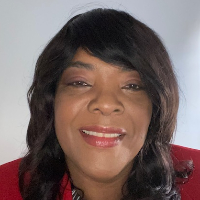
I am a Licensed Professional Counselor in Georgia and a National Board-Certified Counselor (NCC). I have over 10 years of...
16 years experience Georgia

I’m a Licensed Marriage and Family Therapist with a PhD in Developmental Psychology. I bring over 7 years of experience...
7 years experience Minnesota

I am licensed in North Dakota with 9 years of professional work experience. I have experience in helping clients with...
9 years experience North Dakota

I am licensed in Indiana with 8 years of clinical work experience and 30 years as a PhD in neuroscience...
10 years experience Indiana

I am licensed in California with 30 years of professional social work/mental health experience. I have experience in helping clients...
5 years experience California

I am licensed in Maryland with 23 years of professional work experience. I have experience in helping clients with relationship...
23 years experience Maryland

Dr. Bruce Pedigo holds a Doctorate degree with a specialization in Child, Youth, and Family Studies. He has extensive experience...
40 years experience Florida

My name is Dr. Cameron Zeidler, Psy.D., licensed clinical psychologist, with advanced, specialized training in Family Systems and applied expertise...
13 years experience California

Welcome! My name is Dr. Cammie Connor, a Licensed Professional Counselor (LPC) in the state of Missouri with over 15...
15 years experience Missouri

I am licensed in Florida with 25 years of professional work experience. I have experience in helping clients with stress...
25 years experience Florida

I started my career as an educator over 25 years ago. I work as a mental health professional and a...
9 years experience Texas

I have a doctorate in Clinical Psychology and I provide Cognitive Behavioral Therapy services for a variety of issues including...
14 years experience Texas

Greetings. I'd like you to know that I am Ph.D. licensed psychologist, who has 25 years of professional work history....
25 years experience Indiana

For over twenty years I have worked with numerous populations. I received my education in California and then interned at...
20 years experience Arizona

I am a licensed clinical psychologist in California for over 20 years . I have a teaching and ministry background...
30 years experience California

I have been working as a qualified counsellor and psychotherapist for over twelve years. I have worked within the NHS...
12 years experience United Kingdom

Hello! I applaud your decision to view my page. This first step may have been difficult for you, and it...
30 years experience Alabama

I am licensed in Maryland with 6 years of professional work experience. I have experience in helping clients with stress,...
6 years experience Maryland

I am a Licensed Professional Counselor practicing in the state of Georgia for over 9 years. I have been a...
10 years experience Georgia

Hi, I’m Dr. Alvarez, Though not limited to this list, my top specialty areas are in the Expressive Arts, Jungian...
17 years experience Florida

I am licensed in Florida with 8 years of professional work experience. I also have a PhD in Psychology. I...
7 years experience Florida

Hi, My name is Charity B. Rolfes and I am a Virginia licensed Clinical Psychologist with 25 years of experience....
25 years experience Virginia
I am a trained, experienced psychologist and licensed clinical social worker with over 15 years of clinical experience. My doctorate...
20 years experience Michigan

I am a clinical social worker with over 30 years of clinical experience. From this experience, the following is what...
33 years experience Massachusetts

I am licensed in New Jersey and Texas with 6 years of professional work experience. I have experience in helping...
6 years experience New Jersey
Attachment issues can shape how you relate to others, manage emotions, and feel safe in relationships. Whether you recognize patterns of anxiety, avoidance, or difficulty trusting others, online therapy can be a practical way to find a clinician experienced in attachment work. This page explains what attachment issues look like, common concerns people bring to therapy, how online therapy can help, and practical guidance for finding the right therapist through a directory.
Attachment refers to the emotional bond we form with caregivers early in life and the internal patterns that shape expectations about relationships. Attachment issues are patterns that develop when early caregiving was inconsistent, unavailable, overwhelming, or frightening. These patterns often persist into adulthood and influence romantic relationships, friendships, parenting, and self-regulation.
Common attachment patterns include anxious-preoccupied attachment, marked by worry about abandonment and hypervigilance to relationship cues; avoidant-dismissive attachment, where intimacy is minimized and emotional distance is preferred; and disorganized attachment, which can show as unpredictable or contradictory behaviors toward close others. Many people also experience attachment injuries after betrayals, loss, or repeated invalidation that leave them struggling to trust and feel safe.
People seek help for attachment issues for many reasons. Relationship conflicts that repeat over and over despite efforts to change are a frequent concern. This can look like intense arguments, repeated breakups, difficulty committing, or staying emotionally distant to avoid pain. Partners may describe feeling unheard, clingy, or emotionally shut down.
For others, attachment issues appear as anxiety, panic around perceived rejection, people-pleasing, or chronic loneliness even while in relationships. Parenting can become especially challenging when caregivers struggle to respond sensitively to their child or when unresolved childhood attachment wounds shape current parenting choices.
Attachment-related therapy is also common for those managing the long-term effects of early trauma or neglect, or for people transitioning through life changes—such as divorce, new relationships, or forming blended families—who want healthier relational patterns.
Online therapy gives you access to clinicians who specialize in attachment work, even if there are few local providers with the right training. Many therapists working online are experienced in attachment-informed modalities such as attachment-based therapy, emotionally focused therapy (EFT) for couples, trauma-informed therapies, internal family systems (IFS), cognitive-behavioral approaches adapted to attachment concerns, and somatic interventions for regulation.
Through videocalls, you can explore childhood experiences, attachment histories, and present relationship dynamics in real time. Therapists can guide you in practicing new ways of relating during sessions, teach emotion-regulation skills, and support rebuilding trust in relationships. For couples, online sessions can bring partners together from different locations, providing a structured space to practice new communication patterns under professional guidance.
Online therapy offers notable benefits for people addressing attachment issues. It increases access to specialists who may not be available locally, which can be crucial when you want a therapist with specific training in attachment. Scheduling is often more flexible, which helps maintain consistent appointments—a key factor in repairing attachment patterns.
Being in a familiar environment, like your home, can make it easier to feel safe and open up about sensitive attachment wounds. For some people who feel anxious in new settings, online sessions reduce the activation that comes from commuting and waiting rooms, allowing the therapeutic relationship to develop more quickly.
That said, in-person therapy can offer a different kind of embodied presence that some clients prefer. The choice between online and in-person often comes down to accessibility, comfort, and fit. Many people find online therapy as effective or more practical for long-term attachment work because it supports continuity and makes it easier to maintain regular sessions.
Your first few sessions typically include an intake assessment where the therapist asks about your relationship history, family background, current struggles, and goals for therapy. This helps the clinician understand your attachment pattern and identify treatment approaches that fit your needs.
Early therapy focuses on building safety and trust in the therapeutic relationship. You may receive psychoeducation about attachment styles and how they affect thoughts, feelings, and behaviors. Therapists often teach skills for emotion regulation—such as grounding, breath work, and mindful awareness—and help you experiment with new ways of communicating in relationships.
As therapy progresses, work may shift toward processing early attachment wounds, practicing corrective interpersonal experiences, and strengthening secure internal models. For couples, therapy sessions often include structured exercises to help partners respond to each other in ways that promote closeness and repair ruptures.
Sessions usually occur weekly at first, and length varies by need. Homework between sessions is common, which might include communication exercises, journaling about relational triggers, or practicing new coping strategies. Your therapist should discuss goals, expected progress, and how you will track changes over time.
When searching in a directory, look for therapists who describe themselves as attachment-informed, trauma-informed, or experienced with couples and family work if that applies. Credentials and specialized training in modalities like emotionally focused therapy, attachment-based family therapy, internal family systems, or trauma-focused approaches can be helpful indicators.
Consider cultural competence and background. Attachment is shaped by culture and family systems, so finding someone who understands your cultural context and personal history matters. If you prefer working with a therapist who shares aspects of your identity, the directory can help you filter by those preferences.
Use initial consultation calls to assess fit. Ask about the therapist’s experience with attachment patterns, typical treatment strategies, what online sessions are like, and how they handle crises. Gauge whether you feel heard and safe during that first conversation, since the therapeutic relationship itself is a core part of attachment healing.
Reaching out for therapy can feel both hopeful and vulnerable. Remember that seeking help is a strong step toward creating healthier relationships and increasing emotional stability. Start by using a directory to find therapists who list attachment work in their specialties and offer online sessions. Book a brief consultation to see how you feel with the clinician and to ask practical questions about scheduling, fees, and session structure.
If the first therapist is not a good fit, it is okay to try another. Healing attachment patterns takes time and a consistent therapeutic relationship, so finding the right match matters. If you ever feel in immediate danger or at risk of harming yourself or others, contact emergency services or local crisis resources right away.
Making the first contact can be the hardest part. You do not have to navigate this alone, and finding an attachment-informed therapist online can open doors to greater safety, connection, and resilience in your relationships.