
Rebecca Pedersen
I am licensed in Utah and Washington with 11 years of professional work experience. I have experience in helping clients...
11 years experience Utah

By choosing support you’ve taken an important step, and you’re in the right place to connect with eye movement desensitization and reprocessing (EMDR) therapists ready to work with you.
Online therapy offers flexibility, privacy, and convenience, making it easier to fit care into your life. Browse the therapists listed below to explore profiles and find someone you feel comfortable with.
I am licensed in Utah and Washington with 11 years of professional work experience. I have experience in helping clients...
11 years experience Utah

Sometimes in life we encounter painful experiences. These can lead to negative self-thoughts, feelings of sadness and anxiety, intrusive thoughts...
7 years experience Texas

Perhaps you are in the midst of a difficult life circumstance. You may be reading this while you are overwhelmed,...
12 years experience Minnesota

Hello! I am a licensed professional counselor with 7 years of experience. I have done work in private practice, community...
9 years experience Texas

As a licensed master of social work in Michigan, I specialize in supporting individuals navigating complex personal challenges, with a...
7 years experience Michigan

Hi. My name is Regenia and I have over 10 years of working experience in the Mental Health Community,. I...
4 years experience Texas

I am a Licensed Professional Counselor licensed in Missouri and Washington DC with over 13 years of experience working as...
14 years experience District of Columbia

I am licensed in Arizona and Utah with 19 years of professional work experience. I have experience in helping clients...
19 years experience Utah

As a licensed therapist in Indiana, I specialize in supporting individuals navigating complex emotional landscapes. My professional approach centers on...
7 years experience Indiana

I am a licensed professional counselor in Michigan with over 13 years of experience as a skilled therapist. I have...
14 years experience Michigan

I am a trauma therapist in Montana with ten years of pastoral experience prior to attending social work school. My...
13 years experience Montana

Hi, I’m Reynie (pronounced Renny). I’ve been providing mental health therapy in various capacities over the past twenty-five years. I’m...
25 years experience Utah

As a licensed therapist in Texas, I bring a compassionate and holistic approach to supporting individuals through life's complex challenges....
10 years experience Texas

I am a licensed Marital and Family Therapist in California with over 20 years of experience working as a psychotherapist...
20 years experience California

I am licensed in Michigan with 4 years of professional work experience. I have experience in helping clients with stress...
4 years experience Michigan

I am licensed in Rhode Island with 17 years of professional work experience. I am certified in Eye Movement Desensitization...
18 years experience Rhode Island

As a licensed therapist serving New York, I specialize in supporting individuals navigating complex emotional landscapes. I am EMDR trained....
5 years experience New York

Robert Kiser MT-BC, NCC, LPC, ALPS, EMDR-T, NPT-C Hi there! I'm a licensed psychotherapist practicing in South Carolina and West...
21 years experience West Virginia

I am licensed in California with 35 years of professional work experience. I have experience in helping clients with stress...
26 years experience California

I am licensed in Washington with 6 years of professional work experience. I have experience in helping clients with stress...
6 years experience Washington

I am licensed in Georgia with 40 years of professional work experience. I have experience in helping clients with stress...
45 years experience Georgia

Greetings. Thanks for checking in. I am licensed in Oregon, Idaho and Washington with 23 years of professional, clinical work...
23 years experience Washington

Most couples aren’t failing because they don’t love each other. They’re failing because they’re stuck in a pattern they can’t...
30 years experience Pennsylvania

Hello. My name is Robin Aucoin, I am a licensed professional counselor in Mississippi. I received both my bachelors of...
16 years experience Mississippi

Hi, I'm Robin Bailly, LCSW. I’m a licensed clinical social worker in Idaho with over 13 years of experience supporting...
13 years experience Idaho

I am licensed in Wisconsin with 10 years of professional work experience. I have experience in helping clients with trauma,...
10 years experience Wisconsin

You’ll experience an empathetic ear, human connection, understanding, and acceptance without condition when you’re in session with Robyn. You’ll be...
7 years experience Missouri

I am a licensed clinical social worker licensed in North Carolina, Texas, and Oregon with over 16 years of experience...
16 years experience Texas

I am licensed in the state of Ohio and Georgia with 30 years of professional work experience. I have experience...
20 years experience Georgia

I am a Licensed Professional Counselor in Colorado with over 28 years of experience working as a mental health provider....
32 years experience Colorado

I hold a Master’s Degree (MA) in Counselling and Psychotherapy, along with a post-qualification diploma in Couple’s Counselling. I have...
8 years experience United Kingdom

Hi there! I’m Rose Favard, LCSW, and I’m glad you’ve made it this far. I hope you’re ready to bloom!...
3 years experience Florida
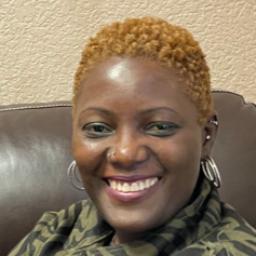
When you join me in a therapeutic relationship you will find an open-minded, curious, and accepting clinician. I am a...
8 years experience Florida

Hello! I applaud you for your courage in taking this step to receive the help you desire to address your...
11 years experience Tennessee

I am licensed in California with 30 years of professional work experience. I have experience in helping clients with stress...
30 years experience California

Rupert has over 20 years of experience in the therapy world. He originally qualified in Remedial Massage and Craniosacral therapy,...
3 years experience United Kingdom

Welcome. My name is Russell Pippin. I am living and working in California as a Licensed Marriage and Family Therapist....
30 years experience California

I am a Licensed Clinical Social Worker with over 13 years of experience. I have worked at a Community Mental...
13 years experience Colorado

I am licensed in Missouri with more than 25 years of professional work experience. I specialize in helping clients with...
25 years experience Missouri
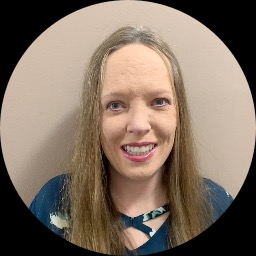
As a licensed therapist in Oklahoma, I specialize in supporting individuals navigating complex life transitions, emotional challenges, and personal growth....
7 years experience Oklahoma
Eye Movement Desensitization and Reprocessing (EMDR) is a structured psychotherapy approach often used to help people process distressing memories, images, and emotions related to trauma or other upsetting experiences. If you are considering EMDR, especially via online therapy, this page explains what EMDR involves, common situations it is used for, how remote EMDR works, and how to find a trained therapist who can support you safely and effectively.
EMDR combines elements of standard talk therapy with a protocol that includes bilateral stimulation – most often guided side-to-side eye movements, but sometimes tapping or alternating auditory tones. The goal is to help the brain reprocess distressing memories so they become less vivid and emotionally charged. EMDR is organized into phases that include assessment, preparation, processing, and integration.
Therapists trained in EMDR follow a structured protocol. Early sessions typically focus on building safety, coping skills, and a shared plan for addressing distressing memories. During processing phases, a therapist will guide you through focusing on a specific memory while using bilateral stimulation to support adaptive information processing. After each session, there is time for stabilization and review.
People seek EMDR for a range of concerns. It is commonly chosen for trauma-related symptoms, such as intrusive memories, nightmares, hypervigilance, and strong emotional reactions tied to past events. EMDR is also used for phobias, complicated grief, certain forms of anxiety, and distress associated with painful single-incident memories.
Some people pursue EMDR when previous talk therapy has reduced symptoms but left certain memories or reactions still troubling. Others look for EMDR when they want a time-limited, structured approach that targets specific memories or beliefs that maintain emotional pain. EMDR may be used with adults, teens, and sometimes children when adapted by experienced clinicians.
Online EMDR makes it easier to connect with a trained clinician who offers the EMDR protocol through secure video sessions. Telehealth allows you to work with therapists who have specific EMDR training even if they are not located near you, increasing access to clinicians with specialized experience.
In remote sessions, therapists guide bilateral stimulation through visual tracking on the screen, audio cues, or instructions for self-administered tapping techniques. Many clinicians use adaptations that preserve the integrity of the EMDR protocol while ensuring safety and clear communication. Online EMDR also lets people participate from a familiar space, which can feel more comfortable for some clients.
Online EMDR expands your options and can reduce barriers to care. You can access clinicians who have specialized EMDR training without geographic limits. This is particularly helpful in areas where few trauma-trained therapists are available.
Remote sessions save travel time and may allow for scheduling that fits work, school, or caregiving responsibilities. Working from a comfortable, private space at home can lower the stress of attending appointments and help some people feel safer when addressing difficult memories.
That said, in-person EMDR may offer advantages for those who prefer physical presence or when a therapist uses specific tactile devices or clinic-based tools. The choice between online and in-person therapy is personal and depends on your needs, safety considerations, and what you and a prospective therapist agree will work best.
Initial contact typically begins with an intake session where the therapist gathers history, assesses presenting concerns, and discusses whether EMDR is a suitable approach. You and the therapist will talk about goals, potential risks, and strategies for grounding and stabilization.
Early sessions often focus on building coping skills and a safety plan. Once you and the therapist agree you are ready, you may begin processing selected memories. During processing, the therapist will guide you through focusing on the memory while providing bilateral stimulation. Sessions will conclude with stabilization techniques to ensure you feel grounded before ending the call.
Because EMDR can bring up strong emotions, therapists who provide online EMDR should explain how they handle moments of intense distress, including plans for managing crises, local resources, and how to contact emergency services if needed. You should also discuss practical considerations such as device positioning, internet stability, and a private, quiet environment for sessions.
Look for a therapist who has completed EMDR training through reputable training programs and has experience applying EMDR via telehealth. Profiles and directory listings often note certification, training level, and years of experience working with trauma or specific concerns you have.
Ask potential therapists about their approach to online EMDR. Important questions include how they adapt bilateral stimulation for video sessions, what steps they take to ensure safety and stabilization, and how long they typically work with clients using EMDR. Clarify licensure and whether they are authorized to provide telehealth services in your location.
Also consider how comfortable you feel with the therapist during an initial consultation. Trust, clear communication, and a sense that the therapist understands your goals are essential for effective trauma work. If you have cultural, religious, or identity-specific needs, look for a therapist who demonstrates cultural competence and respect for your background.
Deciding to explore EMDR is a meaningful step toward addressing persistent distress tied to past experiences. Start by finding therapists who list EMDR in their specialties and offering online sessions. Schedule a brief consultation to ask about training, online procedures, and how they would tailor EMDR to your concerns.
Prepare for your first session by identifying a private, comfortable space with a reliable internet connection. Think about your goals and any questions you want to raise about safety, pacing, and what to expect between sessions.
Finding the right therapist can take time, and it is okay to try a few consultations until you feel confident in your choice. Seeking help is a strong and positive action, and many people find that working with a trained EMDR therapist—whether in-person or online—helps them move toward greater emotional regulation and relief from the weight of difficult memories.