
Mary Reagan-Vorasorn
I am a therapist licensed in in Illinois with over 25 years of experience working in clinical practice. I work...
25 years experience Illinois

You’ve taken an important step toward support, and our directory includes cognitive behavioral therapy (CBT) clinicians ready to help – you’re in the right place to find a therapist who feels like a good fit.
Online sessions make connecting easier – offering flexibility, privacy, and convenience. Browse the listings below to explore professionals you might want to work with, and reach out when you feel ready.
I am a therapist licensed in in Illinois with over 25 years of experience working in clinical practice. I work...
25 years experience Illinois

I am licensed in New Mexico with 27 years of professional work experience. I have experience in helping clients with...
27 years experience New Mexico

Welcome to Counseling! I am delighted that you have chosen to embark on a journey towards greater well-being and fulfillment....
20 years experience Wisconsin

I am licensed in Washington with 17 years of professional work experience in both private practice and community health settings....
17 years experience Washington

Hi My name is Mary K. Hill. I am a licensed Independent Clinical Social Worker (LICSW) in Minnesota. I have...
17 years experience Minnesota

About Me: Mary is a Licensed Professional Counselor licensed in the State of Missouri and Texas with over 12 years...
12 years experience Texas

I am MH counselor/therapist with a counseling style that is warm, empathetic, integrative, pragmatic, and person-centered. I believe that a...
10 years experience Florida

My name is Mary Slaton, LPC, NCC. I earned my counseling degree from Loyola in 2001, and my certification in...
20 years experience Texas

I’m a clinical social worker licensed in Alabama with 15 years of experience providing therapeutic support. My practice focuses on...
15 years experience Alabama
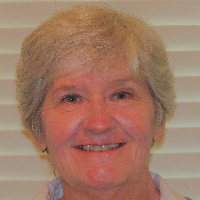
Are you unhappy, but don’t know why? Do you have an idea what’s wrong, but not sure what to do...
15 years experience Ohio

I am licensed in Texas with 11 years of professional work experience. I have experience in helping clients with stress...
12 years experience Texas

Welcome, My name is Mary Stein and I am a Licensed Marriage and Family therapist in California. I earned my...
27 years experience California

I offer a non-judgemental and strengths-based approach to problem-solving with a compassionate, grounded, and direct approach. I am devoted to...
15 years experience Oklahoma

Hello, I am glad you are here! You are either taking the first step on your journey to wellness or...
16 years experience Virginia
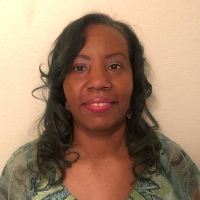
I am a licensed professional counselor with 4 years of experience working with adults and many other age groups who...
3 years experience Louisiana

I am a Licensed Clinical Social Worker practicing in Louisiana since 2012. I am a friendly person from a rural...
12 years experience Louisiana

Hello and welcome. My name is Mary Vietmeier. I am passionate about life and all the complexities that come with...
21 years experience Ohio

I am a Licensed Clinical Mental Health Counselor with over 10 years of experience working with individuals, couples and families....
11 years experience North Carolina

Hello, my name is Mary Lynn Widseth, my passion is helping people learn to understand themselves and those around them....
7 years experience Minnesota

As a licensed therapist with nearly three decades of experience, I offer compassionate and comprehensive support across a wide range...
29 years experience New Hampshire

As a licensed therapist in Oregon, I specialize in supporting individuals navigating complex emotional experiences. My approach centers on compassionate,...
10 years experience Oregon

Hi! My name is Mary Walker. I have been dually licensed as a Mental Health Counselor and a Marriage and...
38 years experience Florida

I am licensed in California with 25 years of professional work experience. I have experience in helping clients with stress...
25 years experience California

My professional approach centers on helping clients develop resilience, self-understanding, and healthy coping strategies across various life challenges. I bring...
7 years experience Florida

I am a Licensed Certified social worker, who has worked in a medical setting for the last 32 years. Where...
35 years experience New York

I am licensed Social Worker in New York state with 30 years of professional work experience. I am also a...
30 years experience New York

I am licensed in Missouri with 14 years of professional work experience. I have experience in helping clients with stress...
20 years experience Missouri

Hello, First, let me say how impressed I am that you are taking your well-being into your own hands. I...
6 years experience Michigan

Currently accepting residents of the State of Delaware and international clients from countries that do not have legal requirements to...
28 years experience Delaware

I am licensed in Colorado with 7 years of professional work experience, both online and in my own private practice....
7 years experience Colorado

Sometimes life feels overwhelming. Whether you’re struggling with relationships, grieving a loss, feeling anxious, or carrying the weight of past...
7 years experience United Kingdom

I am licensed in the UK with 7 years of professional work experience. I have experience in helping clients with...
10 years experience United Kingdom

I am licensed in Illinois with over 3 years of professional counseling experience, I specialized in trauma therapy which includes...
6 years experience Illinois

Trae Sweatt, MA, LPC has worked in churches for 20 years and has counseled clients for over 10 years. His...
10 years experience Texas

Trae Sweatt, MA, LPC has worked in churches for 20 years and has counseled clients for over 10 years. His...
10 years experience Texas

Patrick is an Accredited Mental Health Social Worker with over 17 years of experience supporting individuals and communities across Australia....
12 years experience Australia

I am licensed in North Carolina with 8 years of professional work experience. I have experience in helping clients with...
8 years experience North Carolina

I am a Licensed Clinical Mental Health Counselor with over five years of counseling experience in the state of North...
5 years experience North Carolina

The Initiation of counseling illustrates that an individual is ready to explore the possibilities of growth and refocusing on their...
16 years experience Indiana

I am only taking on a handful of clients and my schedule is currently limited to 7, 8,9, or 10pm...
8 years experience Oklahoma
Cognitive Behavioral Therapy, commonly called CBT, is a practical, skills-based approach many people choose when they want structured help for anxiety, depression, intrusive thoughts, insomnia, and other concerns. If you are looking for CBT online, this page explains what CBT involves, when it can help, how online formats work well with the method, and how to find a therapist who uses CBT techniques through a therapy directory.
CBT is an approach that helps people understand and change patterns of thinking and behavior that contribute to emotional distress. It is typically collaborative and focused on current problems and goals rather than on long-term exploration of the past. Therapists using CBT help clients learn practical skills such as identifying automatic thoughts, testing beliefs with behavioral experiments, and establishing routines that support mood and functioning.
Sessions often include psychoeducation, structured exercises, goal setting, and “homework” to practice new skills between sessions. CBT is adaptable: therapists may combine its core techniques with other methods to meet individual needs. While many studies have explored CBT’s effectiveness for specific conditions, individual results vary and there are no guaranteed outcomes.
People seek CBT for many different reasons. Common situations include ongoing worry and generalized anxiety, panic attacks, social anxiety, persistent low mood or depression, obsessive thoughts or compulsive behaviors, trauma-related symptoms, difficulty sleeping, and stress-related problems at work or in relationships.
CBT is also used for performance anxiety, perfectionism, chronic pain management strategies, and for developing better coping skills during life transitions. Someone might choose CBT when they want a structured, skills-focused approach with clear goals and measurable steps. Because CBT emphasizes learning and practice, it can be a good fit for people who prefer practical tools and short- to medium-term work.
CBT translates very well to online therapy. Many CBT techniques rely on conversation, worksheets, thought records, behavioral experiments, and between-session practice. These elements are easy to deliver through video sessions, secure messaging, and shared digital resources.
Online sessions allow a therapist to guide you through cognitive restructuring in real time, review homework, and help plan behavioral experiments tailored to your environment. Therapists can use screen-sharing to walk through worksheets, send exercises via secure messaging, and assign structured plans that you can complete at home. For exposure work, therapists can coach you remotely through graded steps and help you process reactions afterward.
There are several practical advantages to choosing CBT online. Online therapy removes commute time and makes it easier to fit sessions into a busy schedule, which improves consistency and follow-through. You may be able to access therapists who specialize in CBT but who are not located nearby, increasing the chance of finding someone whose training and experience match your needs.
Working from home can feel more comfortable for many people, which helps them open up and practice new skills in a real-life setting. Digital tools make it simple to send and store worksheets, session summaries, and homework plans. For people with mobility limits, caregiving duties, or transportation barriers, online CBT can be a more accessible option.
In-person sessions also have strengths, such as face-to-face presence and a different kind of conversational flow. The choice between online and in-person often comes down to logistics, personal comfort with technology, and the availability of trained CBT therapists near you. For many, the convenience and wider access of online CBT are decisive advantages.
Your first remote CBT appointment usually begins with an assessment and collaborative goal setting. The therapist will ask about current symptoms, history, and what you want to change. From there, you and the therapist create a focused plan with specific targets and strategies to work on between sessions.
Typical components include learning to notice and label thoughts, testing unhelpful beliefs with behavioral experiments, building activity schedules to support mood, and practicing exposure steps when addressing fears. Sessions tend to be structured, with agendas and a review of homework. Many therapists use secure platforms for video calls and messaging and provide worksheets or digital journals to track progress.
Frequency varies by need; some people start with weekly sessions and later space them out as skills consolidate. Progress is tracked collaboratively, and therapists often use measures or brief questionnaires to monitor changes over time. As with any therapy, outcomes depend on many factors including your engagement, the fit with the therapist, and the nature of the concern.
When searching in a directory, look for therapists who list CBT training and relevant experience with the issues you want to address. Licensing information, years of experience, and areas of specialization are useful to compare. Many CBT therapists hold certifications or have completed specific CBT training programs; reading profiles can help you spot those details.
Consider how a therapist describes their approach. Do they emphasize structured skill-building, measurable goals, and between-session practice? That language often indicates a CBT orientation. Also pay attention to cultural competence, comfort with online delivery, and whether they offer formats that suit you, such as video sessions, phone sessions, or secure messaging.
It can help to schedule a brief consultation to assess rapport and to ask questions about session structure, expected homework, and how progress is tracked. Finding a good match matters. If a therapist’s style or schedule doesn’t work, a directory makes it relatively easy to try another provider until you find someone you click with.
Reaching out for CBT is a practical step toward learning new ways to manage thoughts and behaviors that feel stuck or overwhelming. If you decide to try online CBT, prepare for your first session by thinking about the most important changes you want, recent examples of situations that trouble you, and any questions about the process.
Set up a private, comfortable space for your session and check that your internet connection and device work ahead of time. Be ready for collaborative work: most progress in CBT happens when you practice skills between sessions, so plan to engage with homework and experiments the therapist suggests.
Use a therapy directory to compare CBT-trained therapists, read profiles, and schedule introductory conversations. Taking that first step can feel small but it starts a path toward learning tools that many people find useful for managing anxiety, mood, and daily challenges.