
Victoria Wilkinson
We all need help and support at times in our life, sometimes for a short period of time, maybe to...
3 years experience United Kingdom

Deciding to seek support is a strong step – you’re in the right place to find disruptive mood dysregulation disorder (DMDD) therapists and clinicians who will listen, validate your experiences, and support your goals.
Online therapy offers flexibility, privacy, and convenience, making it easier to connect with counselors from home or between commitments. Browse the listings below to explore caring professionals and take the next step when you’re ready.
We all need help and support at times in our life, sometimes for a short period of time, maybe to...
3 years experience United Kingdom

My name is Vielka E. Johnson. I received my BA in Psychology in 1996 from the University of Colorado. In...
20 years experience Texas

Greetings! I’m Vinson Lee. Thanks for visiting my profile. I hold dual licenses as Licensed Marriage and Family Therapist and...
8 years experience Georgia

I am a Licensed Mental Health Counselor with a Certification in Trauma Counseling in New York State. I have over...
23 years experience New York

I am a licensed UK therapist with over 11 years of professional work experience. I have experience helping clients who...
11 years experience United Kingdom

I am licensed in California with 7 years of professional work experience. I have experience in helping clients with stress...
7 years experience California

Welcome, I have been a licensed therapist in the state of Oklahoma since 1998. I have worked with children, teens,...
28 years experience Oklahoma

I am a licensed mental health counselor in the state of Washington and Florida with over 22 years of experience...
24 years experience Washington

Hello! My name is Wendi D. Nixon, Ph. D., NCC, LCMHC, and I am a National Certified Counselor #54448 and...
27 years experience North Carolina

I have 19 years experience working with all different types of people. I use many different treatment methods, geared towards...
19 years experience Montana

I am licensed in Oklahoma with 13 years of professional work experience. I have extensive experience and specialized training at...
13 years experience Texas

I am licensed in North Carolina with 20 years of professional work experience. I have experience in helping clients with...
18 years experience North Carolina

Hello, I am a mental health and chemical dependency therapist licensed in the state of Texas. I have worked with...
12 years experience Texas

I am licensed in the United Kingdom and have over 30 years of professional work experience. I have experience in...
28 years experience United Kingdom

Everyone has periods in their life when they need professional help and I view therapy as an aspect of maintaining...
11 years experience Illinois

I am a Licensed Professional Counselor with 6 years experience treating addictions in the state of Idaho. I graduated from...
8 years experience Idaho

Using a relational, holistic, and integrative approach I seek to facilitate healing and change. I enjoy working with children, adolescents,...
4 years experience Idaho

Hi, my name is Peter Miller and I am a Licensed Professional Counselor in the state of Texas. I graduated...
3 years experience Texas

I am Marriage and Family Therapist with over 30 years experience. I have worked with individuals, couples and families in...
35 years experience California

I am William Keeler, but I go by Will. I have a Masters in Social Work from Eastern Washington University...
10 years experience Oregon

I am a Licensed Professional Counselor in Texas with over 4 years of experience working as a counselor. I have...
4 years experience Texas

I bring 20 years of experience of working with adults, youth and their families when in crises and experiencing pain....
15 years experience California

I am licensed in Tennessee with 22 years of professional work experience. I have experience in helping clients with stress...
22 years experience Tennessee

I am licensed in North Carolina with 9 years of professional work experience. I have experience in helping couples and...
9 years experience North Carolina

Welcome! My name is Yolanda Batres-Espinoza, and I am a Licensed Marriage and Family Therapist. I received my Master of...
5 years experience California

Yunus Mohamed holds a BSc (Hons) in Professional Counselling from the University of Salford and is a member of the...
21 years experience United Kingdom

25 plus years experience in the mental health field providing therapy and trained in evidence based practices. My approach is...
25 years experience California

I am licensed in Arizona with 5 years of professional work experience. I have experience in helping clients with stress...
5 years experience Arizona

Hi there, My name is Zach and I am a licensed therapist in Illinois with 6 years post grad experience....
6 years experience Illinois

I am a licensed mental health counselor in Florida with 6 years of professional work experience. I have experience in...
6 years experience Florida
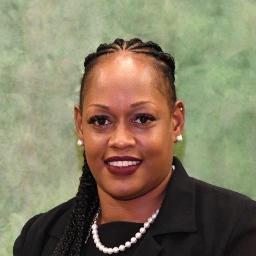
Zakiya is a compassionate therapist and and excellent listener. She is easy to talk to and engages me to think...
3 years experience Texas

As a registered practitioner psychologist with the Health and Care Professions Council UK (HCPC) and over 15 years of professional...
15 years experience United Kingdom

I am licensed in California with 17 years of professional work experience. I have experience in helping clients with stress...
17 years experience California

I am credentialed in Australia with 5 years of professional work experience. I have experience in helping clients with stress,...
5 years experience Australia
Disruptive Mood Dysregulation Disorder, often called DMDD, is a pediatric mood condition characterized by severe and frequent temper outbursts and a persistently irritable or angry mood between episodes. It is typically identified in children and adolescents and can affect school performance, friendships, and family life.
Families often notice that the intensity and frequency of outbursts are stronger than typical childhood tantrums and that the child seems to be angry or irritated much of the time. Professional assessment by a licensed mental health clinician is important to understand what is happening and to plan appropriate support.
Parents and caregivers commonly seek help because temper outbursts are disrupting routines, causing school disciplinary issues, or triggering frequent conflicts at home. Many families feel overwhelmed and unsure which strategies reduce escalation and improve safety and functioning.
Children with severe irritability may also have overlapping challenges such as anxiety, attention difficulties, or learning-related stress. Misunderstanding or mislabeling behaviors can add to family frustration, so clear assessment and targeted strategies are often needed.
Families frequently need help with symptom management, building consistent routines, reducing triggers, improving emotion regulation skills, and advocating for supports at school. Caregivers also benefit from coaching on behavior management, communication techniques, and ways to reduce family stress.
Online therapy expands access to clinicians who specialize in pediatric mood and behavior disorders, including DMDD. Families can find therapists with specific training in child and adolescent mental health, parent management training, cognitive-behavioral approaches, and skills-based therapies without geographic limits.
Telehealth enables flexible scheduling around school and work, and it can make it easier to include both parents, caregivers, and the child in sessions from different locations. Therapists can observe a child in their home environment, which can provide useful context for triggers and routines that influence behavior.
Therapeutic approaches available online often include parent coaching, family therapy, cognitive-behavioral techniques adapted for young clients, dialectical behavior skills for emotional regulation, and behavioral intervention planning. Online providers can also coordinate with pediatricians, schools, and other support systems to create a consistent plan.
Online therapy offers convenience and access. Families in rural areas or with limited transportation can connect with specialists who might not be available locally. This reduces delays in finding appropriate care and helps maintain continuity even during relocations or scheduling conflicts.
For many children, participating in therapy from a familiar home setting reduces anxiety about coming into an unfamiliar office. This can make sessions more productive and make it easier for kids to practice skills in the environment where difficulties arise.
Online sessions also make it simpler to involve caregivers who work different schedules, and they allow therapists to see parent-child interactions in natural contexts. While in-person therapy has strengths such as hands-on play therapy options and in-person observation, online therapy provides flexibility, broader clinician choice, and easier family involvement without replacing the benefits of face-to-face care when that is preferable.
Initial contact usually involves an intake assessment where a therapist gathers developmental history, behavior patterns, school reports, and family concerns. The clinician will ask about frequency and intensity of outbursts, mood between episodes, sleep, medical history, and any prior interventions.
Treatment plans are individualized. For many families, therapy includes regular sessions with caregivers to learn behavior management strategies, structure, and communication skills. Child-focused sessions may teach emotion recognition, coping skills, and ways to practice self-calming. Homework between sessions often includes tracking behaviors, practicing skills at home, and coordinating strategies with school staff.
Therapists will discuss safety planning and crisis response if outbursts escalate to dangerous behavior. Confidentiality, session logistics, technology requirements, and how to get support between sessions are important topics reviewed at the start.
Look for clinicians with experience treating children and adolescents and a background in mood and behavior disorders. Credentials to consider include licensed psychologists, clinical social workers, marriage and family therapists, or pediatric mental health nurse practitioners who specialize in youth care.
Seek therapists who use evidence-informed approaches such as parent management training, cognitive-behavioral strategies adapted for children, and skills-based interventions that target emotion regulation. Experience working with schools and offering coaching for caregivers can be especially helpful.
Practical considerations matter. Check whether the therapist accepts your insurance or offers a sliding scale, whether they have evening or weekend availability, and whether they are comfortable involving multiple caregivers or coordinating with school staff. A good initial match often comes down to clear communication style and a therapist who listens to the family’s priorities.
Reaching out for help is a meaningful first step for children and families dealing with DMDD. Preparing for an initial appointment can make the process smoother. Gather recent school reports, notes from pediatric visits, examples of typical outbursts, and a list of questions you want to ask a potential therapist.
When you contact a therapist, ask about their experience with DMDD or severe irritability, their approach to working with families, and what an early treatment plan might involve. Expect to take time to build rapport and to try strategies consistently before you see changes.
If you are worried about safety or immediate risk, contact your pediatrician, local emergency services, or crisis resources in your area. For ongoing support, using online therapy can make it easier to find specialists and to involve caregivers in ways that fit your family’s schedule and needs.
Finding the right therapist is often a process of exploration. With the right support and a clear plan, many families find practical tools to reduce conflict, increase safety, and help their child develop stronger emotion regulation skills over time.