
Colin Frawley
I am an experienced counsellor supporting clients in all aspects of life. I am committed to delivering client-centered support that...
12 years experience United Kingdom

You’ve taken a thoughtful step seeking support, and you’re in the right place to find bdsm-informed clinicians who respect your experiences and boundaries.
Online sessions offer flexibility, privacy, and convenience – making it easier for you to connect from a space you trust. Browse the therapists listed below to explore profiles and find someone who feels like a good fit.
I am an experienced counsellor supporting clients in all aspects of life. I am committed to delivering client-centered support that...
12 years experience United Kingdom

If you’re going through tough times like anxiety, stress, depression, difficult relationships, grief, trauma, self-esteem, or body image issues, it’s...
27 years experience United Kingdom

I aim to help those who are experiencing difficulties in their lives, and struggling to find solutions by themselves. Finding...
13 years experience United Kingdom

I enjoy working with individuals and families interested in creating changes, while receiving necessary support. I assist clients in reaching...
14 years experience Kentucky

I am a Person Centered/Humanistic Therapist in the UK with over 7 years of experience. To date, I have worked...
7 years experience United Kingdom

I am based in the UK with 12 years of professional work experience. I have experience in helping clients with...
12 years experience United Kingdom

Life wasn’t meant to feel this heavy. Maybe you wake up with anxiety in your chest, replay old memories you...
8 years experience United Kingdom

I am a licensed Counselor in the State of Missouri with close to 7 years of professional experience. I enjoy...
8 years experience Missouri

Hi, I’m David. As a registered member of the British Association of Counselling and Psychotherapy (BACP) I meet high standards...
10 years experience United Kingdom

I’m David Benavidez. Throughout my time as a therapist, I have come to learn to see myself as a relationship...
6 years experience Texas

I am credentialed in Australia with 16 years of professional work experience. I have experience in helping clients with stress...
16 years experience Australia

Welcome to my profile. Hello there, my name is David. I am a talking therapies counsellor licensed in the UK...
8 years experience United Kingdom

I am credentialed in the UK with 3 years of professional work experience. I have experience in helping clients with...
12 years experience Kentucky

Using a wide network of approaches I intend to make therapy a unique and tailored process for my clients. I...
3 years experience United Kingdom

Hi There! Thank you for looking at my page. I would be a great Therapist match for you if you...
16 years experience United Kingdom

I am lan accredited psychotherapeutic counsellor in the UK with 10 years of professional work experience. I have experience in...
10 years experience United Kingdom

I am licensed in Oklahoma with 3 years of professional work experience. I have experience in helping clients with stress...
3 years experience Oklahoma

I am licensed in the UK with 8 years of professional work experience. I have experience in helping clients with...
8 years experience United Kingdom

In our sessions, putting your goals at the centre of our work, we will collaborate to help you find ways...
3 years experience United Kingdom

I’m Dr. Akamin Nkengaka, a Licensed behavioral therapist with 16 years of evidence-based practice experienced. I help clients with stress,...
15 years experience Illinois

I am a licensed, certified Complex Trauma Integrative and Somatic psychotherapist and psychologist based in the UK with 17 years...
17 years experience United Kingdom

I am a HCPC-registered Practitioner Psychologist based in the UK, with over 11 years of professional experience in both the...
12 years experience United Kingdom

As a licensed therapist in Texas, I specialize in helping adults navigate complex emotional landscapes with a strong commitment to...
9 years experience Texas

My name is Dr. Sharon Belhamel and I am a Licensed Marriage and Family Therapist (LMFT) and a naturopath. I...
20 years experience Georgia

Hello friend, My name is Ed and I am a licensed therapist with over 5 years of professional work experience...
5 years experience United Kingdom

I am UK based qualified counsellor with 3 years of professional work experience. I have experience in helping clients with...
3 years experience United Kingdom

My name is Edward, it’s great that you’re thinking about taking the first step to well-being and personal growth. I...
3 years experience United Kingdom

Hello! I’m Lizzie :) I am a clinical psychotherapist with 10+ years across the public, NGO and private sectors. As...
10 years experience Australia

How can I help you? By listening and hearing what you say, by not judging, being open minded and gently...
6 years experience United Kingdom

Hello, my name is Libby and I am a qualified counsellor licensed in the UK with 15 years of professional...
15 years experience United Kingdom

My name is Elizabeth, a qualified relational/integrative therapist, experienced in delivering face to face and online therapy to young people...
6 years experience United Kingdom

I’m a person-centred counsellor offering confidential one-to-one sessions, where you can talk openly and be truly heard. Over the years,...
4 years experience United Kingdom

I’m a qualified Person-Centred Psychotherapist and Hypnotherapist based in the United Kingdom, with over 5 years of professional experience supporting...
5 years experience United Kingdom

I am licensed in Nevada and Oregon with 12 years of professional work experience. I have experience in helping clients...
12 years experience Nevada

I am licensed in Louisiana with 15 years of professional work experience. I have experience in helping clients with stress...
15 years experience Louisiana
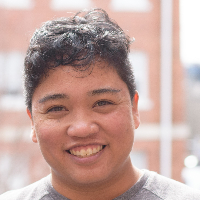
Hello! You can call me Cai. I’m a Licensed Clinical Mental Health Counselor, certified personal trainer. AMGA Climbing Wall Instructor,...
10 years experience North Carolina

I offer a safe and non-judgemental space where we can discuss the problems or uncertainties you are facing. I will...
4 years experience United Kingdom

I am credentialed in the UK with 5 years of professional work experience. I have assisted clients with a wide...
5 years experience United Kingdom

Hello, it’s lovely to meet you! I am Gemma and I am credentialed in the UK with over 7 years...
7 years experience United Kingdom

My name is Georga Gorrell, and I am a British Psychotherapist (NCPS Accredited) and Fertility Counsellor. Fertility journeys can evoke...
4 years experience United Kingdom
If you practice BDSM or identify with kink communities, you may be seeking a therapist who understands the unique emotional, relational, and practical aspects of consensual power exchange. Therapy can help whether you want support with relationships, communication, managing stigma and shame, navigating boundaries, or addressing trauma and sexual concerns. Finding a therapist who is kink-aware and sex-positive can make it easier to talk openly about your needs and goals.
BDSM is an umbrella term that covers a range of consensual sexual and relational practices involving bondage, discipline, dominance and submission, and sadism and masochism. Kink more broadly describes non-normative sexual interests and activities. People engage in kink for many reasons: pleasure, intimacy, exploration of identity, emotional connection, or power dynamics that feel meaningful. It is important to emphasize consent, negotiation, and safety as core principles in healthy BDSM relationships.
People might bring BDSM or kink into therapy for a variety of reasons. Some want help managing shame or internalized stigma from family, religion, or cultural messages. Others seek support for relationship conflict arising from mismatched desires, disclosure struggles, or disagreements about limits and aftercare. Some clients want to explore how kink intersects with gender or sexual identity. There are also concerns around consent violations, consent ambiguity, or the emotional aftermath of a scene gone wrong. In addition, BDSM may come up alongside issues like sexual dysfunction, anxiety, low self-esteem, or trauma histories that influence how someone experiences power, control, and intimacy.
Common concerns include difficulty disclosing kink to partners, fear of judgment by friends or professionals, negotiating boundaries and safewords, coping with shame or secrecy, and managing jealousy within non-monogamous arrangements. People often want to learn clearer communication and consent skills, improve aftercare practices, or rebuild trust after a breach. For those who have experienced trauma, therapy may focus on differentiating consensual kink from non-consensual harm and on developing safety and regulation strategies. Others seek guidance on how to integrate kink into a long-term relationship without harming emotional connection.
Online therapy offers a discreet and often more accessible way to find kink-aware mental health professionals. If you live in an area without therapists experienced in sexuality or kink, telehealth expands your options so you can connect with someone who understands your world. Talking from your own home can make it easier to be honest about sensitive topics, and many clients find it less intimidating to discuss sexual interests when they are not in an unfamiliar office setting.
Therapists can help you build consent and negotiation skills, practice communication strategies, process shame or internalized stigma, and work through relationship dynamics that involve kink. For couples, online sessions can facilitate joint conversations about limits, aftercare, and expectations without the logistics of travel. Therapists may also provide psychoeducation about safe practices, support for trauma processing when relevant, and referrals to sex-positive community resources.
Online therapy makes it easier to find a therapist with specific experience in kink, sexual diversity, and trauma, regardless of where you live. It can reduce the stress of commuting and allow sessions to fit more easily into a busy schedule. For people who fear stigma or exposure, online work can increase privacy because you control your environment and who is present. Many clients find virtual sessions more inclusive for trans, nonbinary, and geographically isolated individuals.
In-person therapy can offer a different sense of containment and may be preferred by some for emotionally intense work. However, teletherapy provides advantages in matching with specialized clinicians and maintaining continuity of care if you move or travel. The choice between online and in-person depends on your comfort, safety needs, and the specific therapeutic work you want to do.
Initial sessions typically involve an intake where the therapist asks about your history, relationships, goals, and any safety concerns. A kink-aware clinician will explicitly invite discussion about your practices and priorities in a nonjudgmental way and will clarify confidentiality limits and reporting obligations. Together you will set goals—these might include improving communication, resolving a specific conflict, learning emotion regulation skills, or processing past harm.
Therapy techniques may draw on couples work, sex therapy, trauma-informed approaches, cognitive-behavioral strategies, or psychodynamic exploration depending on your needs. Expect practical tools like consent scripting, boundary-setting exercises, and ways to plan for aftercare. Your therapist should respect your limits around role-play or sexual material and negotiate professional boundaries in telehealth settings. They may also offer resources for community education, support groups, or medical consultation if needed.
Start by looking for clinicians who describe themselves as kink-aware, sex-positive, or experienced in sexual and relationship concerns. Check licensure and professional credentials to ensure the person is a licensed mental health provider in your jurisdiction. When you contact potential therapists, ask about their experience with BDSM and whether they use a sex-positive, trauma-informed framework. It is appropriate to ask how they handle confidentiality, telehealth security, and situations that might require reporting or safety planning.
Pay attention to whether the clinician listens without judgment, uses inclusive language, and respects the difference between consensual kink and abuse. If you want someone who shares aspects of your identity, ask about experience with LGBTQ+ clients, non-monogamous relationships, or specific cultural backgrounds. Trust your instincts about rapport; feeling safe and understood is essential for productive therapy work.
Reaching out for support can feel vulnerable, especially when it involves aspects of your sexuality that you worry others may judge. You do not need to disclose everything at once. A good first step is to prepare a few questions to ask prospective therapists about their experience with kink, confidentiality policies, and whether they offer telehealth. Consider whether you prefer individual or couples work, and whether you want someone with specific training in sex therapy or trauma care.
Finding a therapist who understands and respects your kink identity can be deeply validating and helpful. If the first match does not feel right, it is okay to try someone else. Seeking help is a positive choice toward safety, connection, and greater well-being in your relationships and sexual life.