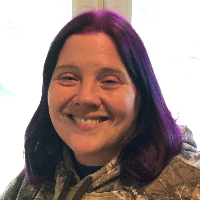
Shannon Gaiser
Recovery-focused, client-centered care
Start with Shannon GaiserLicensed · Professional · Cancel Anytime

Recovery-focused, client-centered care
Start with Shannon GaiserLicensed · Professional · Cancel Anytime
Shannon Gaiser is a compassionate, open-minded therapist who specializes in addiction and co-occurring disorders while also supporting people with stress, anxiety, depression, relationship and family conflicts, trauma, grief, parenting challenges, anger management, self-esteem concerns, career difficulties, bipolar disorder, and coping with life changes.
She holds a master’s degree and is a licensed professional counselor in Pennsylvania (license number PC004686). With 17 years of clinical experience, Shannon draws on client-centered approaches, motivational interviewing, and cognitive behavioral therapy to tailor treatment to each person’s needs.
Shannon brings lived experience to her work as someone in recovery from opiate addiction, and she understands the particular needs of people facing similar struggles. She is open to alternatives to traditional 12-step programs and will consider medication-assisted treatment and medical marijuana as part of an individualized recovery plan.
Her background includes nine years working in inpatient and outpatient rehabilitation settings and eight years providing private-practice therapy alongside a suboxone-prescribing physician. She has experience addressing PTSD, ADHD, bipolar disorder, sexual abuse and trauma, and she often supports families in establishing healthy boundaries during recovery.
Shannon offers flexible session formats, including text, video, and voice sessions, and typically responds to messages within about five hours, with response times possibly longer on weekends.
She aims to work collaboratively and directly with clients, meeting them in the difficult moments and helping them find a clearer path forward. Shannon welcomes the opportunity to begin that journey with new clients.
Many people wonder whether remote therapy can truly help. For common concerns such as stress, anxiety, depression, relationship difficulties, or navigating life transitions, online therapy has been found to be as effective as traditional in-person care for most people.
One of the primary benefits is convenience. Clients can choose the format that suits them best - video calls, phone sessions, live chat, or in-app messaging - which makes it easier to fit therapy into a busy schedule.
These services are provided by licensed professionals, and if someone decides the fit is not right, it is usually possible to switch therapists. Online therapy offers practical flexibility while delivering therapeutic approaches that address everyday mental health needs.