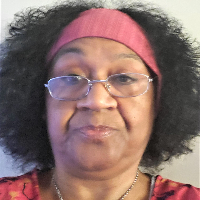
Dr. Priscilla Sobremonte
Experienced clinician with a trauma-informed approach
Start with Dr. Priscilla SobremonteLicensed · Professional · Cancel Anytime

Experienced clinician with a trauma-informed approach
Start with Dr. Priscilla SobremonteLicensed · Professional · Cancel Anytime
Dr. Priscilla Sobremonte served in the United States Air Force for 11 years before continuing her path in social work. She earned a Master of Social Work and went on to obtain licensure to practice as a clinical social worker in California (license number 22308).
Early in her clinical career she worked with severely emotionally disturbed children and later served in a county mental health department under an agreement with juvenile justice, providing services to children, adolescents, families, and youth placed in juvenile hall.
She spent many years with the California Department of Corrections and Rehabilitation as a psychiatric clinical social worker, working with both male and female inmates across inpatient, outpatient, and specialized units that serve individuals with chronic, severe mental illness.
Her professional experience also includes work at Kaiser Permanente as a therapist focused on children, families, and crisis intake, and roles within Veterans Health Care where she served as a medical social work supervisor and program coordinator.
Dr. Sobremonte opened a private practice in 2006 and uses a client-centered process to develop treatment plans collaboratively. Her practice draws on cognitive behavioral, trauma-focused, and solution-focused methods, and addresses relationship and family concerns according to each client’s needs and preferences.
Please note that Dr. Sobremonte is not able to write letters to employers for time off or to verify disability.
She is the author of Therapeutic Journaling: Making Sense of My Life, a workbook based on narrative journaling created for clients who have struggled to make sense of life experiences.
Many people wonder whether meeting with a therapist online can really help. For a range of common concerns - including stress, anxiety, depression, relationship difficulties, and navigating life transitions - research and clinical practice indicate that remote therapy can be as effective as traditional face-to-face care.
One of the primary benefits is convenience. Clients can connect in the format that suits them best: video sessions, phone calls, live chat, or in-app messaging, which can make it easier to keep therapy consistent and fit it into busy schedules.
Therapists who offer online services are licensed professionals, and clients have the option to request a different clinician if they feel a different fit would be more helpful. For many people, remote therapy provides an accessible, flexible way to address everyday mental health and relationship concerns while working toward meaningful change.