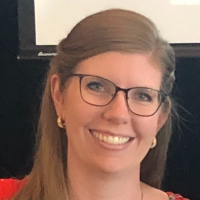
Margaret Reul
Practical, compassionate mental health support
Start with Margaret ReulLicensed · Professional · Cancel Anytime

Practical, compassionate mental health support
Start with Margaret ReulLicensed · Professional · Cancel Anytime
Margaret Reul invites individuals to prioritize their mental health and well-being. In an era of mounting stressors, she emphasizes the importance of tending to both body and mind and views therapy as a practical resource whether someone is facing a crisis or seeking greater meaning in life.
She is a licensed clinical social worker in California, a professional credential that reflects her training and authorization to provide psychotherapy (CA LCSW 75171). Margaret completed her undergraduate studies at UC Santa Barbara and earned a Master of Social Work degree from California State University, Los Angeles.
With 11 years of clinical experience, Margaret has supported individuals and families addressing a wide range of mental health and medical concerns. Her work includes treating depression, anxiety, stress, self-esteem difficulties, grief, compassion fatigue, addictions, relationship and family conflicts, trauma and abuse, career challenges, bipolar disorder, and the transitions that come with life changes. She has experience assisting people with serious mental illness as well as those seeking a mental health tune-up, and she has worked with first-responders confronting the strains of the COVID-19 pandemic.
Margaret helps clients clarify the goals they most want to pursue and partners with them to achieve those aims, keeping the client in the driver’s seat of their care. She favors a solution-focused approach that aims to quickly reduce specific stressors and produce tangible progress. To accommodate busy schedules, she specializes in offering evening and weekend sessions.
For many common concerns - such as stress, anxiety, depression, relationship struggles, or adapting to life changes - online therapy can be just as effective as traditional in-person sessions. Research and clinical practice have shown that remote care addresses these issues well for a broad range of people.
One major advantage of remote therapy is flexibility. Clients can connect with therapists in whichever format feels best for them - video calls, phone sessions, live chat, or in-app messaging - making it easier to fit care into busy schedules and life demands.
Each therapist offering remote sessions is a licensed professional, and individuals may choose to switch therapists at any time if they want a different fit. Online therapy preserves many of the same therapeutic goals and techniques as in-person work while providing options that can better match a client’s routine and preferences.