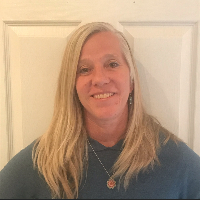
Kelly Goodman
Compassionate trauma-informed care
Start with Kelly GoodmanLicensed · Professional · Cancel Anytime

Compassionate trauma-informed care
Start with Kelly GoodmanLicensed · Professional · Cancel Anytime
Kelly Goodman has worked as a social worker for 30 years and has been a licensed clinician for 17 years. She brings extensive experience from community mental health and public health settings, including work with Housing First programs, intensive case management, Assertive Community Treatment, and teaching peer counseling classes.
Her background includes practice in a Federally Qualified Health Clinic serving people experiencing houselessness, where she taught chronic pain management classes and managed medical respite beds. In that role she focused on helping people secure basic needs such as housing and social security benefits while offering consistent advocacy, support, and unconditional regard.
Kelly later worked with frequent utilizers of emergency services referred by ambulance and fire departments. She currently works part time in an emergency department conducting mental health and risk or suicide assessments, and she serves as an on-call family therapist in an adolescent psychiatric unit.
Over the years she has deepened her understanding of how trauma influences people across the lifespan, and she is committed to helping others recognize those impacts and learn tools and supports for healing. Kelly draws on a wide range of life experience from a large, loving, diverse family and from personal experiences that include unexpected deaths, divorce, interracial marriage, open adoption, travel and engagement with diverse cultures, use of plant medicines for healing, supporting a loved one through long-term cancer, and an evolving commitment to social and racial justice advocacy.
She is a licensed clinical social worker in Oregon, holding the state LCSW credential (license L3559). Kelly believes all people have an innate capacity to self-heal, and that thoughtful guidance and support can help people better understand their lives and enjoy the journey. She welcomes contact to explore whether she might be a good fit as a therapist.
For many common concerns - such as stress, anxiety, depression, relationship difficulties, or adjusting to life changes - online therapy can be as effective as traditional in-person care. Research and practice indicate comparable outcomes for these types of issues when clients work with trained professionals via remote methods.
One major benefit is flexibility. People can connect with a therapist in the format that fits their life and comfort level - through video sessions, phone calls, live chat, or in-app messaging. That flexibility can make it easier to keep regular appointments and maintain continuity of care.
Sessions are delivered by licensed professionals, and if someone decides a different therapeutic match would be better, it is possible to change therapists. Online formats can expand access to skilled clinicians and simplify fitting therapy into busy schedules without sacrificing the therapeutic process.