
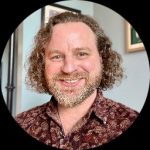
Holistic Jungian therapist specializing in trauma and relationships
Marcus has a BFA in Art and an MA in Humanistic Psychology as well as a graduate certificate in Co-Occurring Disorders. He began his career doing group therapy as a professional experiential educator in the Appalachian Mountains where he was a senior field instructor and wilderness EMT. From there he continued working in experiential education in Activity Therapy with hospitalized adolescents. Since moving to the Twin Cities from Athens, GA in 2012, he has worked in several major health systems as an individual therapist, program/group therapist, and employee assistance counselor in both inpatient and outpatient settings.
Marcus’s practice is integrated/eclectic which means he uses approaches and ideas from a variety of therapeutic modalities like ACT (Acceptance and Commitment Therapy), Client Centered Counseling, Cognitive Behavioral Therapy, Dialectical Behavior Therapy, Narrative Therapy, Existential Psychotherapy, and Motivational Interviewing. He will tailor his approach to meet you where you are and will seek to understand who you are while supporting your movement towards how you want your life to be. He is passionate about helping people from all walks of life from a place of genuine care and highly developed skillfulness.
In his time off, Marcus enjoys paddling in Minnesota’s wonderful lakes and rivers, camping, spending time with his family, and participating with his faith community. Marcus is passionate about accompanying people on their journeys from suffering to the manifestation of their values and meaningful engagement with life.
Licensed · Professional · Cancel Anytime
Based in Minnesota, Frederick Vickery brings 6 years of clinical experience and a background that blends creative and humanistic training. He holds a BFA in Art, an MA in Humanistic Psychology, and a graduate certificate in Co-Occurring Disorders.
Frederick began his career leading group therapy as a professional experiential educator in the Appalachian Mountains, serving as a senior field instructor and a wilderness EMT. He later worked in Activity Therapy with hospitalized adolescents before relocating to the Twin Cities from Athens, GA in 2012. Since then he has practiced across several major health systems, providing individual therapy, program and group work, and employee assistance counseling in both inpatient and outpatient settings.
His approach is integrated and eclectic, drawing on methods such as Acceptance and Commitment Therapy (ACT), client-centered counseling, cognitive behavioral therapy (CBT), dialectical behavior therapy (DBT), narrative therapy, existential psychotherapy, and motivational interviewing. He adapts these tools to meet each person where they are and supports movement toward the life they want to create, working from genuine care combined with developed clinical skill.
Frederick is licensed to practice in Wisconsin as a Licensed Professional Counselor (LPC number 7921-125) and in Minnesota as a Licensed Professional Clinical Counselor (LPCC number 1835). In his time off he enjoys paddling Minnesota’s lakes and rivers, camping, spending time with his family, and participating in his faith community. He is committed to accompanying people on the journey from suffering toward living in alignment with their values and engaging meaningfully with life.
Many people wonder whether online therapy can make a real difference. For common concerns such as stress, anxiety, depression, relationship challenges, and navigating life changes, online therapy has been shown to be as effective as traditional in-person sessions for most people.
One major benefit is flexibility – clients can connect in the way that suits them best, choosing video calls, phone sessions, live chat, or in-app messaging. That variety makes it easier to fit therapy into a busy schedule and to maintain continuity of care when life circumstances change.
All therapists providing online care are licensed professionals, and clients have the option to switch therapists if they feel a different fit would be more helpful. Online therapy makes professional support more accessible while preserving the same clinical goals as in-person work.
© All rights reserved.