
Brittany (Britta) March
I’m a licensed mental health counselor and certified personality disorder provider. I work with clients recovering from relational trauma, personality...
7 years experience Florida

Choosing to seek support is a meaningful step, and you’re in the right place to connect with professionals offering client-centered therapy. You deserve a respectful, understanding space where your perspective guides the work.
Online sessions offer flexibility, privacy, and convenience – making it easier to meet when and where you need. Browse the therapists listed below to explore profiles and take the next step toward support.
I’m a licensed mental health counselor and certified personality disorder provider. I work with clients recovering from relational trauma, personality...
7 years experience Florida

Helping Women Heal From Trauma and Reclaim Their Lives. You’ve been living in survival mode for long enough. The weight...
10 years experience Michigan

Hello! I am a licensed professional counselor in Pennsylvania with four years of experience in outpatient therapy and ten total...
7 years experience Pennsylvania

Brittany is a Licensed Independent Social Worker with a client centered, strengths-based approach to therapy. She focuses on collaborating with...
8 years experience Ohio

When working with me, you can expect a warm, compassionate, and non-judgmental space where you are truly heard and understood....
6 years experience North Carolina

I am a Licensed Professional Counselor in Georgia with over five years of clinical experience. I have worked with individuals...
10 years experience South Carolina

I connect with individuals facing challenges in emotional regulation, depression, anxiety, suicidal ideation, self-harm, and criminal justice involvement. Collaboratively we...
11 years experience Missouri

I graduated in 2015 with a Master's Degree in Social Work from Walden University. I am independently licensed in Ohio...
10 years experience Ohio

I am primarily based in Washington, DC. I am licensed in California, District of Columbia, Rhode Island, and Virginia with...
4 years experience District of Columbia

I am Licensed Clinical Social Worker (LCSW) in the state of Florida with 3 years of professional work experience in...
5 years experience Florida

I am an Independently Licensed Therapist from Ohio with 3 years of professional work experience. My strongest area of expertise...
6 years experience Ohio

I am licensed in West Virginia with 13 years of professional work experience. I have experience in helping clients with...
13 years experience West Virginia

I am licensed in Oklahoma with 7 years of professional work experience. I have experience in helping clients with coping...
7 years experience Oklahoma

I am licensed in Texas and Colorado with 7 years of professional work experience. I have experience in helping clients...
7 years experience Texas

I am credentialed in Australia with 5 years of professional work experience. I have experience in helping clients with family...
5 years experience Australia

I am a licensed independent social worker located in Ohio. For the past ten years, my primary role has been...
6 years experience Ohio

My name is Brittany Leonard. I am a Licensed Mental Health Counselor (LMHC) in the state of Massachusetts and a...
5 years experience Massachusetts

I am licensed in Michigan with 5 years of professional work experience. I have experience in helping clients with relationship...
5 years experience Michigan

I am licensed in Florida with 26 years of professional work experience. I have experience in helping clients with stress...
26 years experience Florida

I am licensed in Georgia with 9 years of professional work experience. I have experience in helping clients with stress...
9 years experience Georgia

Welcome and thank you for checking out my page! We all experience some unwanted emotions throughout life...but sometimes we just...
6 years experience North Carolina
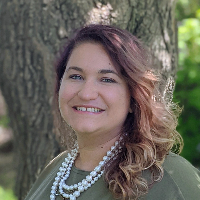
Brittany’s philosophy is to provide the tools but to allow the individual to be the main source of transformative change....
11 years experience Wisconsin

I am licensed in Alabama and Texas with 4 years of professional work experience. I have experience in helping clients...
4 years experience Texas

The only person that can instigate change, is you. I have experience working with adolescents, adults and active duty service...
8 years experience Florida

My name is Brittney Campos and I am licensed therapist (LPC) in Texas and Oregon. My goal as a therapist...
6 years experience Texas

I am licensed in Alabama with 13 years of professional work experience. I have experience in helping clients with family...
14 years experience Alabama

My name is Brittney and I am a Licensed Clinical Social Worker. My background includes working in different fields such...
17 years experience Connecticut

Hello and thank you for taking time to look at my page. I know how hard it can be to...
8 years experience Texas

I am licensed in Texas with 3 years of professional work experience. I have experience in helping clients with relationship...
11 years experience Texas

As a licensed therapist in Missouri, I specialize in supporting individuals navigating complex emotional landscapes. My approach centers on helping...
5 years experience Missouri

I am licensed in Arizona and Wisconsin with 7 years of professional work experience. I have experience in helping clients...
7 years experience Arizona

I am a licensed mental health counselor (LMHC), who is EMDR (Eye Movement Desensitization and Reprocessing )trained and graduated from...
5 years experience New York

Hello all! I was born and raised in a small town in Wyoming where I developed a love for horses...
3 years experience Wyoming

I am a Licensed Clinical Social Worker in New Jersey with 6 years of professional work experience. I have experience...
6 years experience New Jersey

As a licensed therapist in Minnesota, I specialize in supporting individuals navigating complex emotional landscapes. My practice focuses on helping...
6 years experience Minnesota

I am a Licensed Clinical Social Worker with over 10 years of experience as a trauma-informed therapist. With clinical expertise...
12 years experience Oregon

I am a Licensed Clinical Social Worker in Michigan with over 3 years of experience working as a clinical therapist...
4 years experience Michigan

I am licensed in California with 22 years of professional work experience. I have experience in helping clients with LGBTQ+...
23 years experience California

With 16 years of professional work experience and a registered member of the British Association Of Counselling & Psychotherapy, I...
16 years experience United Kingdom

A little bit about me: I am a licensed therapist living in the mountains of Utah. Along with being a...
15 years experience Utah
Client-centered therapy, also called person-centered therapy, is an approach that places your experience, values, and pace at the center of the therapeutic process. If you are looking for a supportive space where you are listened to deeply and guided to discover your own answers rather than given step-by-step instructions, client-centered therapy may be a good fit. This page explains what client-centered therapy involves, common reasons people seek it, how online therapy can help, and practical tips for finding the right therapist.
Client-centered therapy was developed by Carl Rogers and emphasizes empathy, unconditional positive regard, and authenticity from the therapist. The therapist creates a safe, nonjudgmental environment where you are encouraged to explore thoughts, feelings, and life experiences at your own pace.
Rather than directing change through interpretation or homework-driven techniques, the therapist listens reflectively, mirrors your emotions, and offers acceptance. This non-directive stance helps build trust and supports your ability to make choices consistent with your own values and sense of self.
People choose client-centered therapy for many reasons. Common concerns that draw people to this approach include low self-esteem, difficulty making decisions, relationship struggles, grief, life transitions, and a desire for deeper self-understanding. It can be particularly appealing if you want a collaborative, gentle process that honors your autonomy.
Some people prefer client-centered work when past experiences have left them feeling judged or misunderstood. The focus on empathy and acceptance can be healing for those who need a compassionate corrective experience. Others appreciate that the pace is set by them, which can feel empowering if directive therapies feel too pushy or clinical.
Online therapy makes it easier to find a clinician who practices client-centered therapy, even if that approach is rare in your local area. With video or phone sessions, you can connect with a therapist who matches your communication style and values, without geographic limits.
Because client-centered therapy depends heavily on rapport and a consistent, safe space, online sessions can be especially helpful. You can meet from a comfortable environment where you feel secure and in control. The familiar setting of your own home may allow deeper self-exploration, less performance anxiety, and easier access to sessions during busy periods of life.
Online therapy offers practical advantages that support the client-centered model. Scheduling flexibility often makes it simpler to keep consistent sessions, which is important for building trust and continuity in this approach. Eliminating travel time reduces stress and makes therapy more accessible for people with mobility limits or tight schedules.
Online sessions can reduce barriers related to stigma or privacy concerns. You can choose a private room at home instead of traveling to an office in your neighborhood, which may feel safer for people who want discretion. Online directories and search tools also increase the likelihood you will find a therapist whose background and approach match your needs.
That said, in-person therapy also has strengths, such as body language cues and a dedicated therapeutic environment. Many people find online therapy an effective and convenient alternative, and some therapists offer hybrid options so you can choose what feels best.
Your first online session typically includes intake questions about your history, current concerns, and goals. The therapist will explain confidentiality, session length, fees, and how online security is maintained. Client-centered therapists usually emphasize establishing a trusting relationship from the beginning.
Subsequent sessions focus on listening, reflection, and creating space for you to explore your inner experience. Expect fewer directives and more open-ended questions that invite self-discovery. Progress may look like increased self-awareness, clearer choices, and improved emotional regulation.
Make sure you have a private, comfortable place for sessions. Test your internet connection and audio/video setup in advance. Discuss what to do in case of technical disruptions and how to reach the therapist between sessions if needed. Your therapist should explain confidentiality limits, including how digital records are handled.
Start by searching a directory for therapists who list client-centered, person-centered, or humanistic therapy as their approach. Look for licensed credentials and read their profiles to learn about their training, experience, and populations they work with. Consider therapists who emphasize empathy, unconditional positive regard, and an interest in collaborative work.
When you contact a potential therapist, ask about their experience in client-centered work, session format (video, phone, text), fees, and policies on cancellations. It is important to assess fit: Do you feel heard in the brief conversation? Is the therapist respectful of your identity and cultural background? A good therapeutic match matters as much as the modality itself.
Many people try a few therapists before settling on one. If a therapist’s style feels too directive or not warm enough, it is reasonable to look for someone whose presence better supports your growth.
Reaching out for therapy can feel intimidating, but asking for support is a brave and practical step toward change. Start small by browsing therapist profiles focused on client-centered care and saving a few options that feel promising.
Before your first session, think about what you want from therapy. You do not need to have detailed goals; even a general desire for more self-understanding or relief from a persistent struggle is enough. Prepare a quiet space for sessions, and consider jotting down topics you want to explore. Remember that building trust takes time, and it is okay to try a couple of clinicians until you find one who fits.
If you are ready to look for a therapist, use the directory to filter for client-centered or person-centered approaches and schedule a consultation. Small steps forward can lead to meaningful change, and finding a therapist who respects your pace and perspective is a powerful first move.