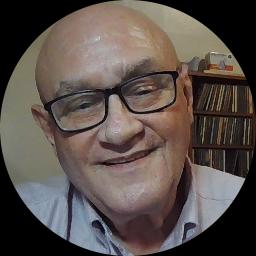
Steven Forsyth
Recovery-focused counselor with 25 years' experience
Start with Steven ForsythLicensed · Professional · Cancel Anytime

Recovery-focused counselor with 25 years' experience
Start with Steven ForsythLicensed · Professional · Cancel Anytime
Steven Forsyth began his addictions counseling work six years after entering recovery from alcohol and drug use on May 13, 1982. He is a licensed professional counselor in Missouri, holding the license designation MO LPC 2019046401, and he brings 25 years of clinical experience to his practice.
His foundational training started in Rational Emotive Therapy, which evolved into Cognitive Behavioral Therapy, and later expanded to include Narrative Therapy and Transactional Analysis. Over time his interests broadened to include Motivational Interviewing by Miller and Rollnick, the Stages of Change model of Prochaska and DiClemente, Solution-Focused Therapy as described by Berg and Miller, relapse prevention strategies from Marlatt and Donovan, Acceptance and Commitment Therapy, and Internal Family Systems work.
He most recently completed certification in Robin Shapiro’s Eye Movement Desensitization and Reprocessing (EMDR) through the EMDRIA International Institute in November 2021. During the COVID-19 pandemic he became conversant with telehealth methods and incorporated remote care into his practice.
Forsyth approaches counseling with a holistic perspective, viewing people as “whole cloth” shaped by the totality of their life experiences. He also maintains a consistently positive and enthusiastic outlook on life and living. He practices in Missouri.
Many people wonder whether online therapy can deliver meaningful results. For common concerns such as stress, anxiety, depression, relationship challenges, and navigating life changes, online therapy has been shown to be comparable in effectiveness to traditional in-person sessions.
One major benefit is practical flexibility. Clients can connect with a therapist using the format that fits their routine best - video calls, phone sessions, live chat, or in-app messaging. This flexibility often makes it easier to keep appointments and integrate therapeutic work into a busy life.
Licensed professionals provide online care, and clients may choose to switch therapists if they feel another clinician would be a better match. For many people facing everyday mental health concerns, remote therapy can be an accessible and effective option.