
Melissa Innocenzi
Welcome! Thank you for taking the time to read my profile. I am a licensed Marriage and Family Therapist with...
26 years experience California

You’ve taken an important step by looking for support, and you’re in the right place to connect with therapists for sex addiction who understand the challenges you face and respect your privacy.
Online sessions give you flexibility, convenience and extra privacy – helping you fit support into your life. Browse the listings below to explore clinicians ready to listen and work with you.
Welcome! Thank you for taking the time to read my profile. I am a licensed Marriage and Family Therapist with...
26 years experience California

I am licensed in Michigan with 6 years of professional work experience. I have experience in helping clients with stress...
6 years experience Michigan

I am licensed in Texas with 5 years of professional work experience. I have experience in helping clients with stress...
5 years experience Texas

I am licensed in Texas with over 20 years of professional work experience in the field of mental health. I...
20 years experience Texas

Hi :) I’m Melissa, a Licensed Clinical Social Worker (LCSW). I specialize in helping individuals who feel overwhelmed by anxiety,...
10 years experience Pennsylvania

I am a Licensed Professional Counselor in both Michigan and Missouri with over a decade of experience specializing in mental...
10 years experience Michigan

I am licensed in Texas with 35 years of professional work experience. I believe that you are the expert of...
35 years experience Texas

I am a fully qualified integrative Counsellor and psychotherapist who is registered with the BACP (the professional body for counsellors)....
5 years experience United Kingdom

Melvin Barnes, LCSW, ACSW, ACHP-SW, BCD, has more than 37 years of clinical and administrative experience in the fields of...
37 years experience Florida

I am licensed in Michigan with 9 years of professional work experience. I have experience in helping clients with relationship...
12 years experience Michigan
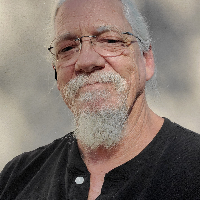
Life brings us experiences which cause us stress, stretch our capacity to cope. We respond with depression and anxiety often...
44 years experience New Mexico
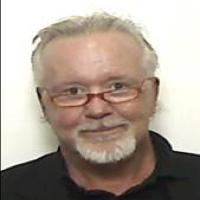
I am a Licensed Marriage & Family Therapist (LMFT) with 20 years experience working with young people and adults who...
25 years experience California

I’m Mike - a fully qualified, BACP registered therapist, based in the UK. I provide a safe, confidential, and non-judgemental...
3 years experience United Kingdom

Hello, my name is Michael Cotter. I am a Licensed Professional Counselor and have over 7 years of professional counseling...
3 years experience Missouri

I have experience in helping clients with stress and anxiety, relationship issues, motivation, self-esteem, and confidence, & depression. I believe...
6 years experience Florida

I am a nationally certified counselor passionate about helping couples, families, and individuals heal and develop skills to cultivate growth...
10 years experience Louisiana
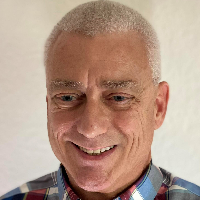
I am a licensed clinical social worker living in Florida with over 15 years of experience working as an individual,...
19 years experience Florida

I am a licensed mental health counselor in Florida with 7 years of professional experience. I’ve worked with clients dealing...
7 years experience Florida

Is ADHD making you feel overwhelmed, emotionally tangled, or like you’re falling short no matter how hard you try? You’re...
5 years experience United Kingdom

Hi, I’m 𝗠𝗶𝗰𝗵𝗮𝗲𝗹 𝗘𝗹𝘄𝗮𝗻 - a therapist, social worker, and mental health advocate based in Australia. For over 15 years,...
15 years experience Australia

I am licensed in Texas with 11 years of professional work experience. I have experience in helping clients with stress...
9 years experience Texas

From my perspective, the “talk” in talk therapy is only useful as a tool to reach deeper emotions. Depth therapy—the...
5 years experience United Kingdom

Staying sane in an increasingly crazy, stressful world. Quite a challenge! My vision of therapy is solution-focused, goal-oriented. I am...
36 years experience South Carolina

My name is Michael Hutchinson, I go by Hutch, and I am a Licensed Mental Health Counselor in the State...
6 years experience Florida

Taking the step to participate in therapy/counseling takes tremendous courage and desire for something in one’s life to be different....
24 years experience Missouri

I have thirty five years of experience serving people with a variety of issues. I work comfortably with individuals, couples,...
40 years experience Wisconsin

I am licensed in Pennsylvania with 16 years of professional work experience. I have experience in helping clients with stress...
16 years experience Pennsylvania

I am a Counselor and Registerd Nurse, licensed in Florida with over 40 years of professional work experience. I have...
30 years experience Florida

As a licensed therapist with extensive experience in Michigan, I specialize in supporting individuals navigating complex emotional landscapes. My professional...
25 years experience Michigan

I am licensed in Texas with 13 years of professional work experience. I have experience in helping clients with stress...
13 years experience Texas

Hi, I’m Michael Lenok, a Licensed Mental Health Counselor who specializes in working with individuals struggling with addiction and substance...
8 years experience Florida

I am a professional counselor with 10 years of experience in a wide variety of areas. I am happy to...
10 years experience Georgia
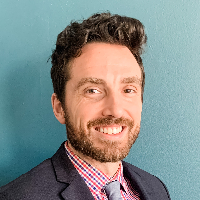
I’m a dual-licensed clinician (LPC and LMHC) with 15 years of experience helping individuals navigate life’s challenges. After earning my...
15 years experience Pennsylvania

For the last 5 years, I have been in clinical practice with individuals and families in New York City. Before...
5 years experience New York

I firmly believe that counselling can be both restorative and transformative, allowing us to process difficult experiences with all the...
3 years experience United Kingdom

I am licensed in California with 12 years of professional work experience. I have experience in helping clients with stress...
12 years experience California
Hi my name is Michael Valdes . I am a LCSW licensed clinical social worker in TN. I have had...
17 years experience Tennessee

I’m a Clinical Psychologist with over 10 years of experience working with children, adolescents, and adults. I support people facing...
10 years experience Australia

I’m Michael, an accredited member of the National Counselling Society. I completed my counselling training in 2011 and continue to...
13 years experience United Kingdom

I am licensed in Kentucky with 22 years of professional work experience. I have experience in helping clients with stress...
24 years experience Kentucky
Struggling with unwanted sexual thoughts, behaviors, or patterns that feel out of control can be isolating and embarrassing. Many people search for help under the term “sex addiction,” while clinicians may use phrases like compulsive sexual behavior or problematic sexual behavior. Whatever label fits your experience, therapy can offer nonjudgmental support, practical strategies, and a path toward healthier choices and relationships. Finding a therapist who understands sexual health, shame, and relapse prevention is an important step—and online therapy makes that search easier for many people.
Compulsive sexual behavior refers to patterns of sexual thoughts and actions that feel compulsive, cause distress, or interfere with daily life, work, or relationships. This can include excessive use of pornography, compulsive masturbation, frequent casual sexual encounters, risky sexual conduct, or repeated affairs. For some, the behavior is a way to cope with stress, loneliness, anxiety, or past trauma. For others, it feels driven by urges that seem impossible to stop despite negative consequences.
Therapists approach these concerns with a focus on reducing harm, increasing control, and understanding the underlying factors. Rather than moralizing, effective therapy explores triggers, emotions, relationship patterns, and coping strategies, and helps people develop sexual values and healthy boundaries that fit their life.
People seek help for problematic sexual behavior for many reasons. Often there is a pattern of attempting to cut back or stop and being unable to do so. Shame, secrecy, and fear of discovery can erode self-esteem and intimacy. Partners may feel betrayed, leading to conflict, distance, or the need for couples work. There can be financial, legal, or occupational consequences when behavior risks job loss or legal trouble. For some, compulsive sexual behavior co-occurs with depression, anxiety, substance use, or past trauma—each of which benefits from coordinated care.
Others come because they want to change the role that sex plays in their life without necessarily stopping all sexual activity. Therapy can help people clarify values around sex and relationships, repair trust with partners, and learn healthier coping skills for urges and emotional distress.
Online therapy connects you with clinicians who specialize in sexual health, compulsive sexual behavior, and related issues, even if those specialists are not available locally. A therapist experienced in sex therapy or relapse-prevention work can help you identify triggers, establish practical strategies for managing urges, and address underlying issues such as trauma, anxiety, or mood disorders.
Through teletherapy you can pursue individual sessions, couples therapy, or structured programs focused on skill-building. Therapists often use cognitive-behavioral techniques, acceptance-based approaches, trauma-informed care, and relapse-prevention planning adapted to the online format. Homework, self-monitoring tools, and between-session check-ins are easily integrated into virtual care so you can make steady progress.
Online therapy offers several advantages that are especially relevant for people seeking help with sexual behavior concerns. It increases privacy and convenience—being able to meet from a private space can reduce the barrier of shame and make it easier to start. Virtual care expands access to specialists in sexual health and compulsive behavior who might be far from your area, so you can find a clinician with the right training and experience.
Scheduling is often more flexible online, which helps maintain consistency during times of work or family obligations. For people in areas where local providers lack expertise in sexual behavior or where stigma is strong, online therapy lets you work with someone outside your community without having to explain personal details to neighbors or local acquaintances.
That said, in-person therapy may have benefits for those who prefer face-to-face interaction or who need more intensive local support. The choice between online and in-person often comes down to fit, convenience, and the availability of trained clinicians.
Your first online sessions will typically involve an intake or assessment to understand your history, current patterns, and goals. A therapist will ask about your sexual behavior, how it affects your life, any co-occurring symptoms, relationship concerns, and safety issues. This assessment helps shape a treatment plan that may include individual therapy, couples work, or referrals to medical or psychiatric care if needed.
Treatment often combines education about sexual behavior and urges, skills training to manage triggers, cognitive strategies to challenge unhelpful thoughts, and relapse-prevention planning. Therapists may assign homework such as tracking triggers, practicing stress-management techniques, or experimenting with alternative coping strategies. If relationship repair is part of your goal, couples sessions can focus on restoring trust, establishing agreements about boundaries, and improving communication.
Confidentiality, secure video platforms, and clear crisis plans are standard parts of competent online care. If you or someone else is in immediate danger, therapists will help you connect with local emergency services.
When searching for a therapist, look for licensed clinicians with experience in sexual health, compulsive sexual behavior, or certifications in sex therapy. A good fit includes someone who is nonjudgmental, trauma-informed, and comfortable discussing sexuality in a direct and respectful way. If you have a partner, consider whether you want a clinician who offers both individual and couples therapy.
Ask about the therapist’s approach to compulsive sexual behavior, their experience with relapse-prevention planning, and how they handle confidentiality. Inquire whether they coordinate care with other providers if medication or psychiatric evaluation is needed. An initial consultation—often brief and low-commitment—can give you a sense of whether the therapist’s style feels safe and helpful.
Reaching out for help can be hard, especially when shame and fear are involved. Remember that seeking therapy is a sign of strength and a commitment to change. You do not need to have everything figured out before you contact a therapist. Preparing a short list of your main concerns and goals can make an initial conversation easier. You might note what triggers your behavior, how it affects your life, and what you hope to achieve—whether it’s reducing harm, rebuilding trust, or understanding underlying issues.
Finding a therapist through an online directory lets you compare clinicians, read about their specialties, and reach out with questions before scheduling. Taking that first step opens a pathway to skills, support, and more control over your choices. If you feel unsafe or worried about immediate harm, contact local emergency services or a crisis line right away.
Change is possible with consistent, compassionate care. Online therapy can be a practical and private way to begin that process and to connect with clinicians who understand both sexual behavior and recovery-oriented approaches.